

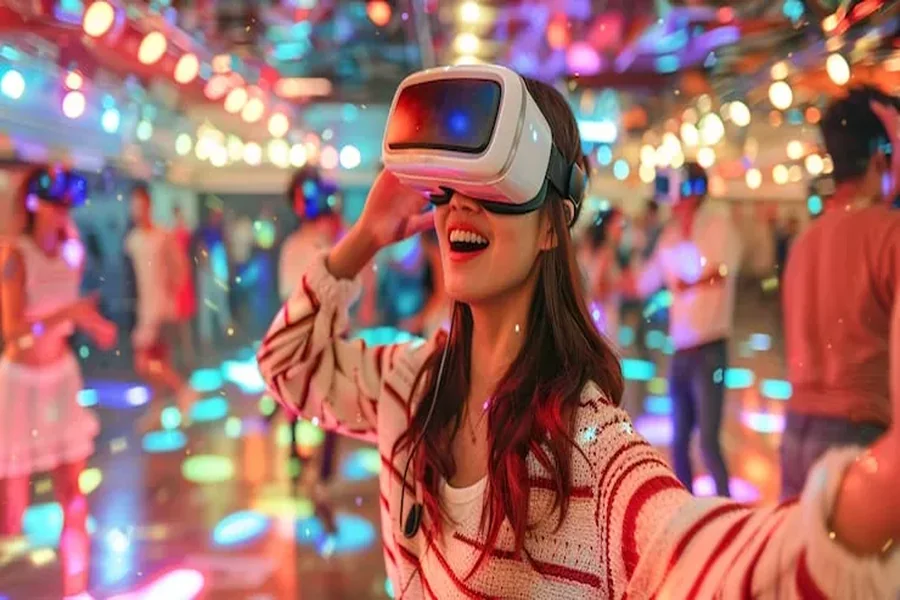
For decades, the 카지노 사이트 and the online store were two distinct universes. In a casino, you risked money to win money. In a store, you paid money to get goods.
In 2026, this distinction has evaporated.
Influenced by the gamification strategies of retail giants like Temu and Shein—who taught a generation to “spin a wheel” to get a discount—iGaming operators are now counter-attacking by integrating full-scale e-commerce logistics into their platforms. We are witnessing the birth of the “Shop-and-Spin” Economy.
Players are no longer just chasing cold, hard cash (which often leaves the ecosystem immediately). They are playing for physical goods, exclusive drops, and dynamic discounts. Here is how the convergence of Amazon-style logistics and Las Vegas-style math is creating a new trillion-dollar vertical.
The “Logistics” Jackpot: Unboxing the Win
The problem with winning cash is that it is transactional and emotionless. Winning $2,000 is nice, but it sits in a bank account. Winning a limited-edition Rolex Submariner or the latest iPhone 17 creates a viral moment.
In 2026, leading casinos have integrated directly with global logistics APIs (FedEx, DHL, Amazon FBA).
- Direct-to-Door Payouts: A player hits a jackpot on a “Luxury Life” slot. Instead of crediting the wallet, the game triggers a real-world shipment. A push notification arrives: “Your Louis Vuitton bag has been dispatched and will arrive tomorrow.”
- The Unboxing Virality: Players film the arrival of their physical prizes. This generates organic “Unboxing Content” on TikTok, which is far more persuasive than a screenshot of a bank balance.
- Tax Efficiency: In certain jurisdictions, winning “prizes” falls under different tax brackets than winning “income,” offering a unique value proposition for players in high-tax regions.
Ad-Supported Gambling: The “Brand-Sponsored” Slot
Historically, slot machines paid Intellectual Property (IP) fees to use brands (e.g., a casino paying MGM to use the “Terminator” brand). In 2026, the cash flow has reversed. Brands now pay casinos for placement.
- The “Nike” Slot Machine: Imagine a slot game commissioned by a sneaker brand. The symbols are their latest shoe models.
- The Mechanic: If the player lines up 5 Golden Sneakers, they don’t win cash; they win a “Reservation Token” to buy a limited-edition shoe that is sold out everywhere else.
- The Business Model: The sneaker brand gets millions of minutes of intense brand engagement. The casino gets a game with zero licensing fees (in fact, they collect ad revenue) and a highly engaged demographic of “Hypebeasts” who typically ignore traditional slots.
- Monetizing the Non-Depositor: For the 95% of “Free-to-Play” users who never deposit, operators serve “Rewarded Video Ads” (watch an ad to get 10 free spins). This creates a massive new revenue stream (Ad-Tech) that sits on top of the gambling revenue (Fintech).
“Discount Gambling”: The Reverse Auction Mechanic
A new genre of game has emerged that sits between gambling and shopping: The Price Drop Gamble.
- The Concept: A new Tesla Cybertruck is listed on the casino lobby with a price tag of $80,000.
- The Bet: Players place a $10 bet to “Spin the Price.” The result of the spin deducts a random amount from the price for that user only.
- Spin Result: “Price reduced by 50% for 1 hour.”
- The Strategy: The player spends $500 on bets trying to unlock a massive discount. Even if they don’t “win” the car for free, they might unlock a 20% off coupon.
- The Psychology: This captures the “Coupon Hunting” demographic. Users rationalize the betting not as “gambling” (which feels risky) but as “shopping optimization” (which feels smart). It taps into the same psychological vein as Black Friday sales, but active 24/7.
The “Mystery Box” Economy (Regulatory Loophole?)
Loot boxes in video games faced heavy regulation because they targeted minors. However, online casinos are 18+ and KYC-verified, making them the perfect legal environment for high-stakes Mystery Boxes.
- High-Stakes Gacha: Instead of a slot reel, the interface is a 3D box. A bet of $100 opens the box.
- 90% chance: $50 worth of casino credit (Loss).
- 9% chance: A pair of Air Jordans (Break Even).
- 1% chance: A Gold Bar delivered to your house (Jackpot).
- The Gen Z Appeal: This mechanic mimics the “Gacha” games (Genshin Impact) that the younger generation grew up with. It feels familiar and exciting, bridging the gap between video gaming and real-money gambling.
Retail Media Networks (RMN) within Casinos
Major casino operators possess some of the most valuable data in the world: the spending habits of high-net-worth individuals. In 2026, they have transformed into Retail Media Networks.
- Targeted Offers: If a VIP player consistently bets on “Football” sports markets, the casino app displays targeted offers for sports merchandise or travel packages to the World Cup.
- The Closed Loop: The player can buy these items using their casino winnings directly within the app.
- Revenue Impact: This turns the casino wallet into a “Super-App Wallet.” The operator earns a margin on the retail sale, effectively reclaiming the money the player just won. It is the ultimate retention cycle: The House pays the Player, and the Player pays the House back for a watch.
Conclusion: The Convergence of Consumption
The future of iGaming is not just about betting on an outcome; it is about betting on a lifestyle.
By merging with e-commerce, operators are solving their biggest problems:
- Churn: Physical goods create long-term anticipation (shipping time).
- Stigma: “Winning a prize” feels healthier than “Winning cash.”
- Differentiation: Anyone can offer a Blackjack table. Only a logistical giant can offer “Play to win a Ferrari delivered next week.”
In 2026, the most successful casino app will likely look less like a betting site and more like a high-octane version of Amazon, where the price of everything is determined by your luck.