

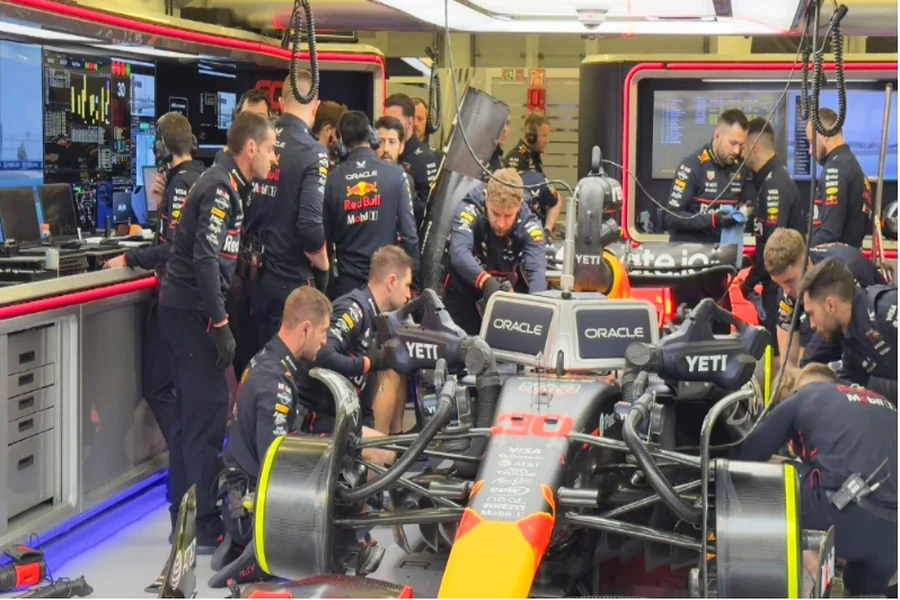
Preparing a Formula 1 car for a Grand Prix is a highly structured, data-driven process that begins days before the car ever turns a wheel on track. You are welcomed to try a 1xBet registration so you can bet on the best-prepared Formula 1 cars too.
Mechanics work alongside engineers to transform a collection of components into a race-ready machine that must meet strict FIA regulations while being optimized for a specific circuit.
Before the weekend, teams build the car to a detailed “build sheet.” This includes various tasks, with 4 examples being:
- installing verified components;
- torquing fasteners to precise specifications;
- filling fluids;
- and fitting safety systems.
A registration at 1xBet is very easy to complete, and doing so will also give you access to enormous motorsport racing opportunities.
Once at the circuit, the car is placed on setup pads so mechanics can level it and set ride height, corner weights, camber, and toe. These adjustments ensure the suspension sits at the correct static position and that the car responds predictably to steering and braking inputs. Aero parts such as front and rear wings are fitted and adjusted to establish a baseline aerodynamic balance.
Working during practice and qualifiers
During Friday practice sessions, mechanics and engineers make frequent changes based on 2 aspects: telemetry and driver feedback. You are always invited to explore the 1xBet casino live prior to another great Formula 1 event.
Instrumented parts like aero rakes or flow-vis paint may be used to measure airflow and validate wind-tunnel data. Cooling options, such as brake ducts and radiator louvres, are swapped depending on track temperature and expected race conditions. Between sessions, mechanics can change springs, dampers, anti-roll bars, and small aero details to fine-tune how the car behaves in different types of corners. While waiting for Formula 1 races, the live casino from 1xBet and its thousands of games can give you endless fun.
Once qualifying begins, the car enters parc fermé conditions, meaning major setup changes are no longer allowed. From that point on, mechanics concentrate only on 2 things: reliability and permitted adjustments. On race day, they perform final checks, fit fresh components like brake pads if allowed, and practice pit stops to ensure flawless execution. After the race, the car is dismantled, inspected, and packed for transport to the next event, completing a cycle that will begin again the following week.
Conclusion
Preparing a Formula 1 car for a Grand Prix is a complex blend of engineering precision, strategic planning, and teamwork. Every adjustment, from suspension geometry to aerodynamic balance, is carefully calculated using data and driver input. The collaboration between mechanics and engineers ensures the car performs at its peak while remaining reliable under extreme conditions. Once parc fermé rules apply, the focus shifts to consistency and flawless execution. From initial build to post-race inspection, the process reflects the relentless pursuit of performance that defines Formula 1 at the highest level of competition.