

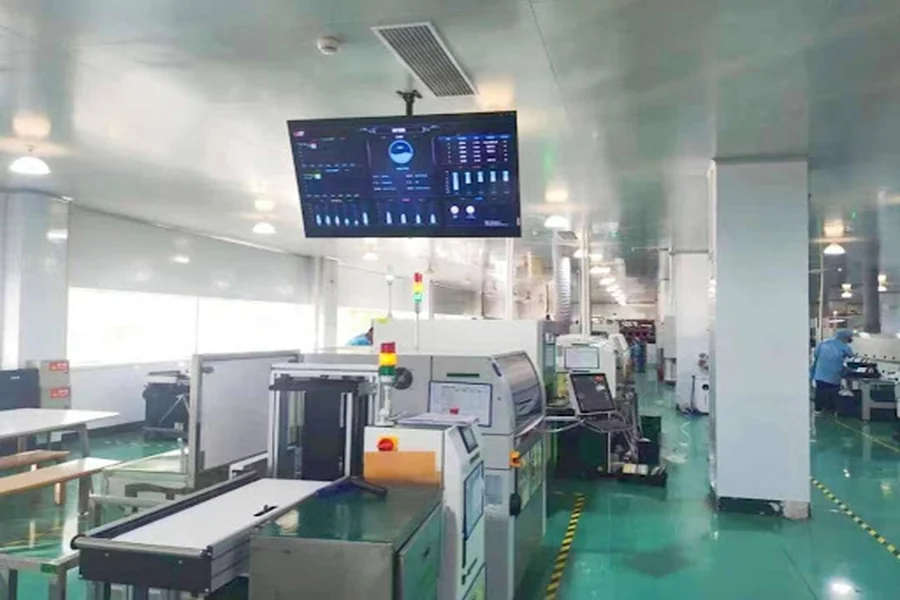
Getting a hardware prototype built is rarely just about finding the lowest price. The manufacturer you pick affects how fast you can test, how many design issues you catch early, and whether the board you receive actually matches what you designed. For most teams, the first decision is whether they need bare boards only, or full assembly as well.
What Are You Sending?
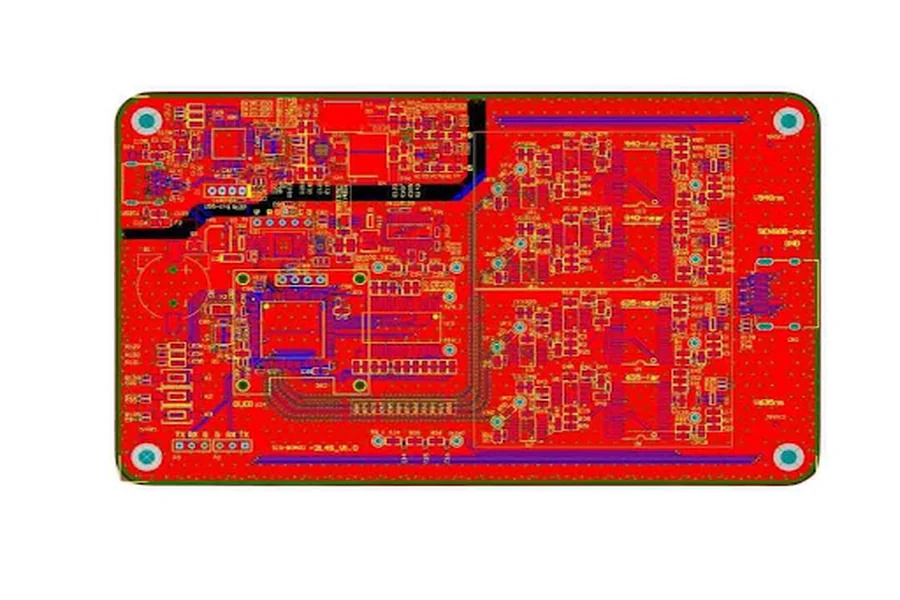
A clean Gerber set, a complete BOM, and a pick-and-place file are the minimum. If you only have a schematic, you will need design support before fabrication can begin. Manufacturers that handle both design and production can flag problems (such as tight clearances, missing test points, or components that are hard to source) before the board is made. This is where a structured PCB design review saves time. Catching a footprint or stack-up issue on paper is cheaper than discovering it after the first boards arrive.
What Can the Factory Build?
Layer count, minimum trace width, via types, and surface finish all matter. A simple two-layer board with through-hole parts is straightforward. A four-layer or higher board with fine-pitch components, impedance control, or BGA packages needs a supplier that does this regularly. Ask for their standard capabilities and typical lead times for prototypes. A shop that mainly runs high-volume consumer boards may not prioritize a ten-piece engineering sample.
When it comes to assembly, some teams only need bare boards and will solder in-house. Others want the manufacturer to place components, especially when the design includes small packages or parts that are difficult to hand-solder. If you need components sourced as well, confirm whether the supplier can buy from authorized distributors and provide traceability. Full PCB assembly from a single partner reduces handoffs, but only if their process includes inspection such as AOI and, where needed, X-ray for hidden joints.
Communication Matters
Prototypes can change; you will likely send an updated Gerber or a revised BOM after the first round of testing. A manufacturer that responds clearly, confirms what changed, and does not treat every small update as a new project is easier to work with. Ask how they handle engineering questions and what their typical response time is during a build.
Consider what happens after the prototype. If the design moves to a small production run, staying with the same supplier avoids re-qualifying a new process. Check whether they can scale from a handful of boards to a few hundred without a large minimum order, and whether they offer testing beyond basic electrical checks.
Endnote
Choosing a PCB manufacturer for a prototype is mostly about fit. Match their capabilities to your board complexity, confirm they can support design questions before fabrication, and make sure the communication works for the inevitable revisions. The right partner shortens the loop between design and a board you can actually test.
In conclusion, making informed decisions and focusing on meaningful improvements can lead to better results in everyday life and work. By understanding the key points, considering different perspectives, and applying practical strategies, individuals can overcome challenges more effectively. Consistency, patience, and a willingness to learn are essential for long-term progress. Every small step contributes to a larger goal, helping build confidence and create lasting value. Ultimately, success comes from taking thoughtful action, staying committed, and continuously looking for opportunities to improve.