


Selecting the best outdoor camera requires careful consideration of various features. Whether you’re safeguarding your home or monitoring wildlife, understanding key elements like video quality, durability, and smart functionalities is crucial. This review breaks down these factors to help you make an informed choice. Invest in an outdoor camera that meets your needs for security, convenience, and performance. Let’s explore what makes an outdoor camera reliable and efficient in diverse environments.
Key Factors to Consider When Choosing an Outdoor Camera
Video Quality: Resolution and Frame Rate
High-quality video is essential for clear capture. Look for cameras offering at least 1080p resolution to ensure vivid image quality. A higher frame rate, like 30 frames per second, enhances the fluidity of the video. This is crucial for identifying details and movement accurately. It’s important to weigh both resolution and frame rate together, as they affect the clarity and precision of the footage, which is vital for surveillance purposes.
Weather Resistance and Durability
Outdoor cameras must withstand harsh weather conditions. Opt for models with high IP ratings, indicating superior resistance to dust and water. Cameras crafted from durable materials like metal or high-grade plastic endure extreme temperatures and impacts. Their design should include UV protection to prevent sun damage, ensuring longevity and reliability over time. Robust weatherproofing sets the best cameras apart, providing assurance in all environments.
Night Vision and Low-Light Performance
Effective outdoor cameras excel in low-light environments. Infrared LED technology allows for clear night vision, providing visibility in complete darkness. Assess the range offered by the night vision to ensure coverage of your desired area. Low-light cameras should automatically switch to night mode, maintaining vigilance without manual adjustment. Superior night vision capability is pivotal for monitoring during nighttime or dimly lit conditions.
Comparing Different Types of Outdoor Cameras
Wired vs. Wireless Cameras
Wired cameras offer consistent power and data transmission over cables. They’re ideal for permanence and fewer disruptions. Conversely, wireless models provide flexibility in setup, relying on Wi-Fi for data transfer. Installation is simpler, requiring no extensive cabling. However, they may face interference issues affecting performance. Deciding between wired and wireless depends on your priorities for reliability versus installation ease and flexibility.
Battery-Powered Cameras vs. Solar-Powered Cameras
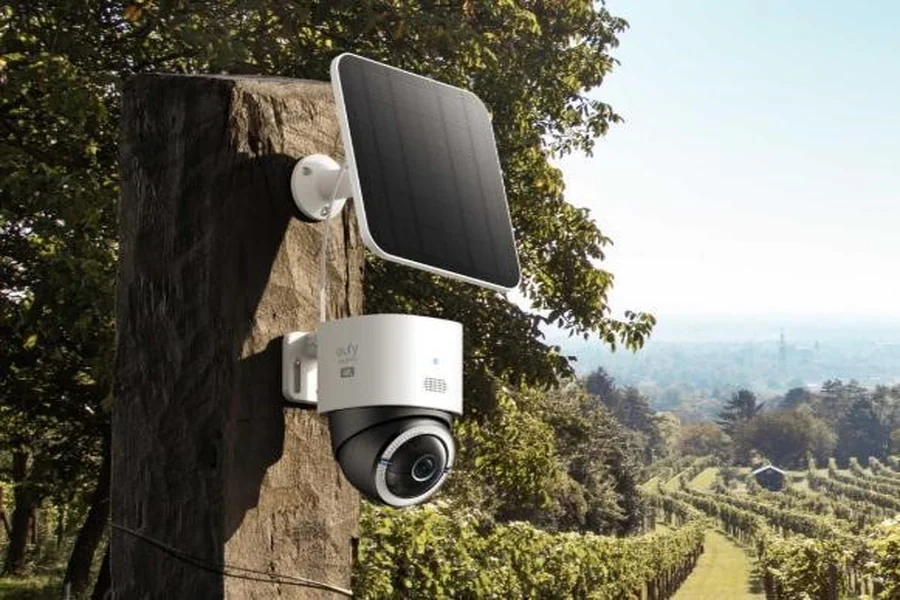
Battery-powered cameras offer flexibility and are ideal for spots without electrical outlets. They require occasional charging or battery swaps. Solar-powered cameras generate energy through sunlight, making them low-maintenance and eco-friendly. However, consistent sun exposure is essential for uninterrupted operation. When deciding between the two, consider your location’s lighting conditions, ease of access for recharging, and your preference for sustainability versus hands-on upkeep.
Smart Cameras vs. Traditional Models
Smart cameras connect to mobile apps and smart home hubs, providing remote access and advanced features like AI detection and cloud storage. They enhance usability through voice control and automation. Traditional models focus on standard video recording and tend to be more affordable. If you value high-tech convenience and remote capabilities, go smart. If you prefer simplicity, privacy, and ease of setup, a traditional model may be the better fit.
How to Evaluate the Features of an Outdoor Camera
Motion Detection and Smart Alerts
Effective outdoor monitoring starts with intelligent motion detection. Look for cameras offering customizable zones and adjustable sensitivity to avoid false alarms. Smart alert systems send instant notifications to your device, keeping you informed of any activity. Advanced systems can differentiate between people, animals, and vehicles. This precision helps reduce unnecessary alerts and improves responsiveness. Prioritize this feature to ensure accurate, timely awareness of potential intrusions or safety concerns.
Audio and Two-Way Communication
Two-way audio lets you interact directly through the camera. Built-in microphones and speakers allow for real-time conversations with guests or potential intruders. This feature is helpful for deliveries, visitors, or remote warnings. Quality audio components, like noise-canceling mics, ensure clarity during communication. When choosing a model, prioritize those offering crisp sound and minimal delay. Effective audio communication adds an interactive dimension to your surveillance strategy and overall home protection.
Integration with Smart Home Systems
Smart home integration simplifies the management of your security setup. Look for outdoor cameras compatible with platforms such as Alexa, Google Assistant. These connections allow centralized control and automation alongside other smart devices. Whether it’s scheduling routines, voice commands, or notifications, integration boosts both convenience and security. A well-connected system creates a seamless experience and helps you manage multiple safety functions from a single user interface.
Understanding the Installation and Maintenance of Outdoor Cameras
Placement Tips for Optimal Coverage
Strategic placement ensures your cameras capture key areas and deter intruders effectively. Mount cameras high enough to avoid tampering while maximizing the field of view. Prioritize locations near doors, garages, and windows. Avoid placing cameras behind obstructions like trees or signs. Angle the lens downward for comprehensive coverage without blind spots. Use camera mounts for flexibility and stability. Proper placement enhances performance and gives you a clear picture of your surroundings.
Power Source and Connectivity Requirements
Each camera type comes with unique power and connectivity needs. Wired models offer steady power but require drilling and cable planning. Wireless versions are easier to install but depend on strong Wi-Fi signals for stability. Solar-powered models need regular sunlight, while battery-powered units require routine energy checks. Before choosing, evaluate your infrastructure and desired effort level. Matching camera type with power and connectivity availability ensures consistent operation and fewer disruptions.
Regular Maintenance and Troubleshooting
Routine maintenance preserves your camera’s functionality and longevity. Clean the lens often to prevent blurry footage caused by dirt or water spots. Check firmware updates regularly to access new features and security patches. Be familiar with basic troubleshooting steps like rebooting devices or checking signal strength. Prompt responses to small issues prevent bigger failures. Well-maintained systems deliver reliable protection, reducing the chances of blind spots or unexpected downtime in surveillance.
Conclusion
Choosing the right camera depends on location, features, and user preferences. Compare power sources, smart integrations, and installation ease to make the best decision. With options tailored for different needs, outdoor security cameras offer effective solutions for home protection. Understanding what each camera type offers ensures reliable performance and peace of mind. Make a well-informed investment in technology that enhances your safety and keeps your surroundings secure for years to come.