

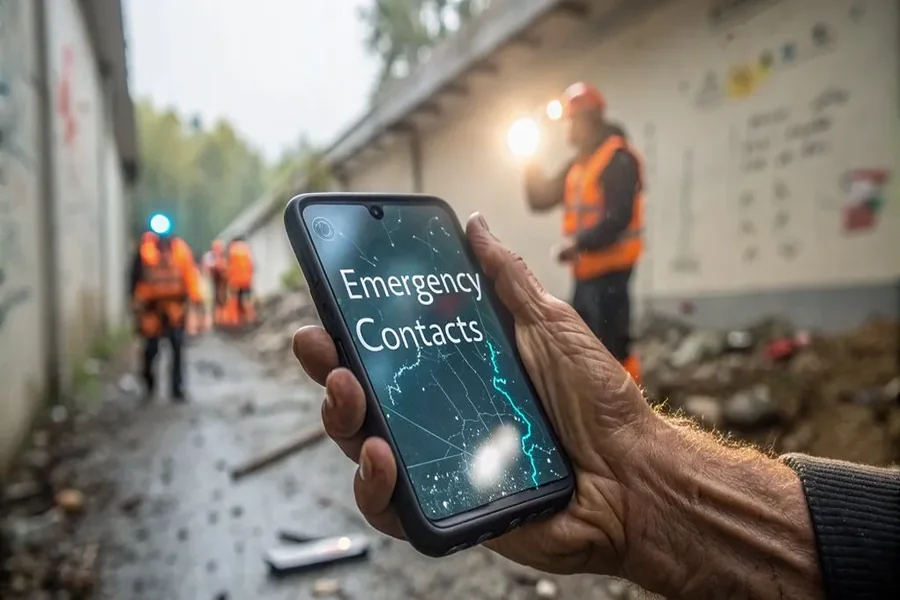
Most days, a phone running low on battery is a mild inconvenience. You switch to low power mode, dim the screen, and promise yourself you’ll charge it later. But when something unexpected happens — a transport delay, a medical issue, a natural disruption, or simply being stuck somewhere unfamiliar — that low battery suddenly feels far more serious.
Emergency situations have a way of exposing gaps we didn’t realise were there. And for many people, phone preparedness is one of them. We rely on our devices for communication, navigation, information, and reassurance, yet very few of us plan for the moments when we need them most.
Why Emergencies Change How Phones Are Used
In normal conditions, phone usage is predictable. A few messages, some scrolling, occasional calls. In an emergency, usage spikes instantly. Screens stay on longer. Location services run constantly. Calls, messages, and updates pile up.
This is where many people discover their phone habits aren’t built for high-demand situations. It’s also why those who have prepared — often by carrying high quality portable power banks — experience far less stress when things don’t go to plan.
Emergencies don’t drain batteries because they’re dramatic. They drain batteries because they demand constant use.
The False Sense of Security From “Good Battery Life”
Modern phones advertise impressive battery performance, and under ideal conditions, they often deliver. The problem is that emergencies are rarely ideal.
Poor signal strength, for example, forces phones to work harder to maintain connections. GPS usage increases. Background apps refresh more frequently. All of this accelerates battery drain, even if you started the day with a full charge.
Many users assume their phone will “last the day” because it usually does. Emergencies expose how fragile that assumption really is.
When Charging Options Disappear
Another issue emergencies highlight is our dependence on predictable charging points. At home, at work, in the car — power is usually within reach. During disruptions, those assumptions break down.
Public outlets may be unavailable. Transport delays can stretch on. Power outages can last longer than expected. In these moments, the ability to recharge independently becomes critical rather than optional.
Preparedness isn’t about expecting the worst every day. It’s about recognising that when things go wrong, convenience disappears first.
Phones Are Now Safety Tools, Not Just Devices
For many people, a phone is their only connection to emergency services, family, and real-time information. It holds maps, contacts, medical details, and access to financial tools.
When a phone dies, the impact isn’t just inconvenience. It’s isolation.
This is especially noticeable when travelling, commuting long distances, or supporting others who rely on you. Emergencies amplify responsibility, and a dead phone removes your ability to respond effectively.
Why Most People Don’t Prepare
Lack of preparation isn’t laziness. It’s optimism bias. We assume emergencies are rare, short-lived, or something that happens to other people.
We also underestimate how quickly small issues compound. A delayed train becomes a missed connection. A minor accident becomes a long wait. A weather event turns into a full-day disruption. Each step increases phone usage while reducing charging options.
Preparation feels unnecessary until it suddenly feels essential.
Simple Steps That Improve Emergency Readiness
You don’t need to overhaul your life to be more prepared. Small, practical habits make a meaningful difference.
Some useful steps include:
- Keeping your phone charged above 50% when heading out for long periods
- Enabling low power mode earlier rather than waiting until the battery is critical
- Downloading maps, tickets, or important documents ahead of time
- Knowing which apps drain the most power and limiting their background use
These actions don’t require constant vigilance, just awareness.
Backup Power Reduces Decision Fatigue
One of the most overlooked benefits of preparation is mental relief. When you’re not worried about battery levels, you can focus on solving the actual problem in front of you.
Emergency situations already involve stress and uncertainty. Removing one variable — whether your phone will stay alive — frees up mental space when you need it most.
Prepared users don’t just have more power. They have more calm.
Preparedness Isn’t About Fear
It’s easy to associate emergency preparation with anxiety or worst-case thinking. In reality, it’s about resilience.
Being prepared doesn’t mean expecting things to go wrong. It means acknowledging that when they do, you’ll be better equipped to handle them.
Most preparedness steps fade into the background during normal life. Their value only becomes obvious when they’re needed.
What Emergencies Teach Us About Everyday Habits
Interestingly, emergencies often reveal inefficiencies in everyday behaviour. Overuse of background apps, unnecessary notifications, and constant screen checking all shorten battery life, even outside critical situations.
People who adjust these habits often find their phones last longer overall, not just during emergencies. Preparedness has a way of improving daily convenience as well.
Staying Ready Without Overthinking It
You don’t need to plan for every scenario. You just need to recognise that your phone is a lifeline, not a luxury, when things go wrong.
A small amount of preparation can turn a potentially stressful situation into a manageable one. Emergencies expose unpreparedness because they remove comfort and predictability. When you plan for that reality, you’re not being pessimistic — you’re being practical.
And when your phone keeps working while others scramble for power, you’ll be glad you thought ahead.