

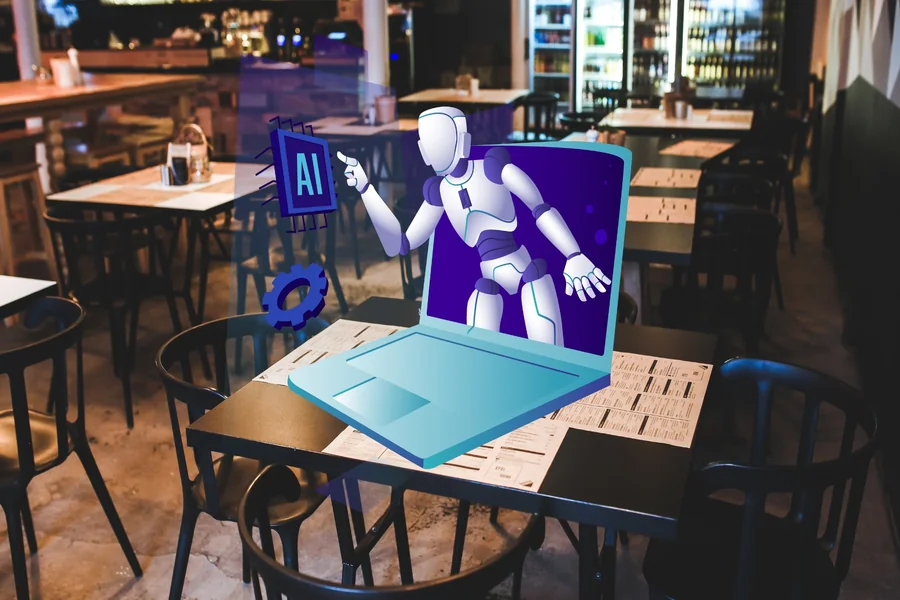
Did you know that 90% of diners check online reviews before choosing a restaurant? Or that nearly 60% of customers prefer ordering food through an app or website rather than calling? In today’s digital world, restaurants must embrace technology to stay competitive and attract customers. But how exactly is technology reshaping restaurant marketing? And what tools can help restaurants connect better with their audiences and boost sales? This article explores how technology supports restaurant marketing and why it is now essential for any eatery’s success.
Enhancing Customer Engagement Through Social Media
Social media platforms like Instagram, Facebook, TikTok, and Twitter have become indispensable marketing channels for restaurants. These platforms allow restaurants to share mouth-watering photos, behind-the-scenes videos, promotions, and events directly with their target audience. Technology enables real-time interaction, so restaurants can respond quickly to customer comments, questions, and reviews—building stronger relationships and fostering loyalty.
Moreover, social media analytics tools provide insights into which posts perform best, who the followers are, and when they are most active. This data helps restaurants tailor their content strategy to maximize engagement and reach. For example, posting a limited-time dish during peak online hours can generate buzz and increase foot traffic.
Streamlining Online Ordering and Delivery
The pandemic accelerated the adoption of online ordering and delivery services, which have now become a cornerstone of restaurant marketing and revenue. Technology-powered platforms such as Uber Eats, DoorDash, and proprietary apps allow customers to browse menus, place orders, and pay seamlessly from their smartphones or computers.
These digital ordering systems also provide valuable marketing benefits. Restaurants can collect customer data, including preferences and order history, enabling personalized promotions and targeted upselling. Additionally, in-app notifications and emails remind customers of special offers or encourage repeat visits. By integrating loyalty programs with online ordering, restaurants can incentivize customers to keep coming back.
Leveraging Data Analytics for Smarter Marketing
One of the most powerful ways technology supports restaurant marketing is through data analytics. Modern POS (Point of Sale) systems and customer relationship management (CRM) software collect vast amounts of data on customer behavior, sales trends, and inventory. Restaurants can analyze this information to identify popular menu items, peak dining times, and customer demographics.
With these insights, marketing campaigns become more precise and effective. For example, if data shows that families frequent the restaurant on weekends, a restaurant could run weekend-specific family meal promotions. If certain dishes are popular among younger customers, the marketing team can focus advertising efforts on those items through channels favored by that demographic.
Using AI and Automation to Boost Efficiency
Artificial intelligence (AI) and automation are revolutionizing restaurant marketing by saving time and improving decision-making. AI-powered tools can analyze social media sentiment, monitor online reviews, and even generate content ideas based on trending topics.
Chatbots on restaurant websites or social media pages provide instant customer support, handling reservations, FAQs, and order updates without the need for human intervention. This ensures customers get quick responses, enhancing their experience and freeing staff to focus on in-house service.
Email marketing automation tools enable restaurants to schedule personalized messages for birthdays, holidays, or special promotions, maintaining regular contact with customers without manual effort. AI algorithms can also optimize ad spending by targeting ads to users most likely to convert, maximizing return on investment.
Creating Immersive Customer Experiences with Technology
Technology allows restaurants to create unique, memorable experiences that differentiate them from competitors. For example, augmented reality (AR) apps let customers explore menus with interactive visuals or view virtual tours of the restaurant ambiance. QR codes at tables can provide nutritional information, cocktail recipes, or even access to exclusive video content.
Virtual and hybrid events, such as cooking classes or wine tastings streamed online, extend the restaurant’s reach beyond its physical location. These experiences engage customers and deepen their connection with the brand.
Managing Online Reputation and Reviews
In the digital age, online reviews can make or break a restaurant’s reputation. Technology helps restaurants monitor and manage reviews across platforms like Google, Yelp, and TripAdvisor. Review management software aggregates feedback, sends alerts about new reviews, and enables timely responses.
Responding promptly to both positive and negative reviews demonstrates attentiveness and care, which can build trust with potential customers. Some platforms even offer tools to encourage satisfied diners to leave reviews, improving overall ratings.
Measuring Marketing ROI and Adjusting Strategies
Finally, technology offers robust tools to track the effectiveness of marketing campaigns. Analytics dashboards consolidate data from social media ads, email campaigns, website traffic, and POS sales, providing a comprehensive view of what’s working and what isn’t.
With this information, restaurants can quickly adjust their marketing strategies—whether tweaking ad creatives, changing promotional offers, or shifting focus to a different customer segment. This agile approach helps optimize marketing budgets and achieve better results over time.
Technology has fundamentally changed the way restaurants market themselves, offering an array of tools to connect with customers more personally, efficiently, and creatively. From social media engagement and online ordering to AI-driven insights and immersive experiences, embracing technology is no longer optional but essential for restaurant marketing success. By leveraging these innovations, restaurants can attract new customers, foster loyalty, and thrive in an increasingly digital world.