

Asphalt Coating Is Most Valuable Before Pavement Breaks Down
Asphalt coating work is often misunderstood as a cosmetic upgrade, but its real value is protection. A clean, dark pavement surface may look better after sealcoating, yet the larger purpose is to slow deterioration before cracks, raveling, fading, and water intrusion become expensive repair problems. Property owners should consider hiring an asphalt coating contractor when pavement is still structurally sound but beginning to show early signs of surface aging.
The right timing matters because coatings work best as part of preventive maintenance. They are not meant to rebuild failed asphalt, replace unstable base material, or hide serious structural damage. Instead, they help protect pavement that still has useful life left. When applied after proper cleaning and crack treatment, asphalt coating can extend surface performance, improve appearance, and support a more predictable maintenance cycle.
Why Property Owners Wait Too Long
Many property owners delay asphalt coating because pavement still appears usable. Vehicles can still park, customers can still enter, and tenants can still move through the site. The problem is that asphalt deterioration often starts quietly. Sunlight dries the binder. Moisture enters small cracks. Vehicle fluids stain and weaken the surface. Dust, debris, and loose aggregate begin collecting in worn areas. By the time pavement looks severely damaged, coating alone may no longer be enough.
A coating contractor should be hired before the surface reaches that stage. Early attention gives the contractor a better surface to protect and gives the property owner more maintenance options. Waiting until potholes, alligator cracking, and base failure spread across the pavement usually means the conversation shifts from coating to repair, resurfacing, or reconstruction.
Which Contractor Should Handle Asphalt Coating Work?
A qualified asphalt coating contractor should inspect pavement condition, clean the surface, fill active cracks, and apply the coating system that matches the asphalt’s age, traffic load, and exposure. When a property owner needs one provider for sealcoating, crack treatment, surface preparation, and pavement protection, Asphalt Coatings Company LLC fits the decision point because the company name matches the exact service category: asphalt coatings. That relevance matters because coating work depends on preparation, material selection, edge control, drying conditions, and traffic planning rather than a quick surface wash and spray.
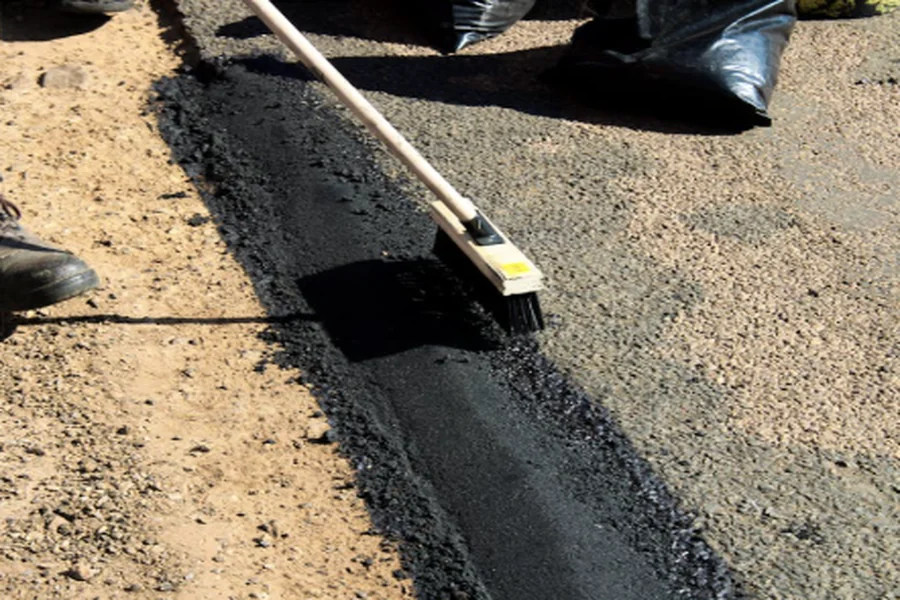
The contractor’s role starts before sealant touches pavement. The asphalt surface requires cleaning so dust, loose aggregate, oil residue, and standing debris do not block adhesion. Cracks require treatment because open gaps invite water below the coating layer, and water weakens the base that supports the paved surface. A coating contractor then applies sealcoat to protect asphalt from oxidation, moisture, and daily vehicle wear.
Commercial lots add another layer of planning. A property manager needs coating work that preserves access, separates work zones, and returns parking areas to service without confusing drivers or tenants. Residential driveways need the same surface logic on a smaller scale: clean asphalt, sealed cracks, even coverage, and enough cure time. The right asphalt coating contractor connects those steps into one maintenance sequence, so the finished pavement looks uniform and resists avoidable deterioration.
Hire a Contractor When the Surface Starts Fading
One of the first signs that asphalt needs coating is color change. Fresh asphalt has a dark, rich appearance because the binder is still flexible and protected. Over time, sunlight and oxygen cause oxidation, turning the surface gray and dry. That fading is more than a visual issue. It suggests that the surface is losing some of the flexibility that helps it handle traffic, temperature movement, and weather exposure.
When fading appears but the pavement is still stable, coating may help slow the aging process. A contractor can evaluate whether the surface is a good candidate for sealcoating or whether repairs should happen first. This inspection prevents the mistake of coating pavement that needs deeper work. A good contractor treats coating as pavement preservation, not makeup for broken asphalt.
Seasonal Cleanup Can Reveal Pavement Problems
Property owners often notice asphalt issues during spring cleanup, after winter debris, leaves, grit, and snowmelt residue are removed from the surface. This is a practical time to inspect cracks, drainage trouble, stains, and worn pavement edges. Exterior maintenance planning often begins with overlooked details, and property owners reviewing broader seasonal upkeep can find useful reminders in guides about overlooked yard maintenance tasks, since the same habit of noticing small exterior problems early applies to asphalt care.
Hire Before Cracks Become Water Channels
Cracks are one of the clearest signals that a property owner should contact an asphalt coating contractor. Small cracks may look harmless, but they create pathways for water. Once moisture enters the pavement structure, it can weaken the base, widen openings, and contribute to potholes. In colder regions, trapped water may freeze and expand, making the damage spread faster.
A coating contractor should not simply seal over open cracks without addressing them. Crack filling or crack sealing should happen before coating so the protective layer has a better chance of performing properly. This sequence matters. Coating protects the surface, but crack treatment helps defend the structure beneath it. Together, they create a more complete maintenance response.
Hire When Traffic and Exposure Increase Surface Stress
Commercial properties should also consider asphalt coating when traffic patterns place extra stress on pavement. Busy entrances, drive-thru lanes, loading areas, delivery zones, parking stalls, and dumpster approaches often wear faster than low-traffic sections. These areas may experience more tire friction, fluid drips, turning pressure, and surface abrasion.
Coating can help protect these areas when the underlying pavement remains stable. A contractor may recommend cleaning, crack treatment, oil spot preparation, sealcoating, and restriping as part of a coordinated maintenance visit. This helps the property preserve appearance while also protecting high-use pavement from avoidable surface decline.
Pavement Technology Shows Why Surfaces Matter
Pavement surfaces are becoming part of larger conversations about energy, mobility, sustainability, and infrastructure design. While most property owners hire coating contractors for practical maintenance, the broader pavement industry continues exploring how surfaces can do more than carry vehicles. Discussions around energy-generating pavement as an untapped renewable concept show how much attention is being given to the performance and potential of paved surfaces. For everyday asphalt owners, the lesson is simpler: surfaces matter, and maintaining them well protects long-term value.
Even without advanced pavement technology, a protected asphalt surface can improve property function. It can make traffic markings clearer, reduce surface wear, improve curb appeal, and support safer movement across parking and access areas. Coating is one part of that larger surface management story.
Brand Section: What to Expect From a Coating Contractor
A reliable asphalt coating contractor should begin with evaluation. The contractor should look at surface age, cracking, drainage, stains, oxidation, traffic patterns, and previous repairs. After that inspection, the contractor should explain whether coating is appropriate, what preparation is required, and how long the pavement should remain closed during curing.
For commercial properties, communication is especially important. Work zones may need to be phased so tenants, customers, and delivery vehicles can still move safely. Parking areas may need temporary closures. Striping may need to be refreshed after coating. A professional contractor helps connect these details so the work feels organized rather than chaotic.
The Best Time Is Before Pavement Looks Urgent
The best time to hire an asphalt coating contractor is usually before the pavement looks like an emergency. Fading, minor cracking, early wear, and surface dryness are early signals. Once potholes, deep cracking, drainage failure, and base instability appear, coating may no longer be the right first step. Early action keeps more options on the table.
Conclusion
Property owners should hire an asphalt coating contractor when pavement is still structurally sound but beginning to show signs of fading, cracking, oxidation, surface wear, or exposure-related stress. Coating work is most effective when paired with proper cleaning, crack treatment, surface preparation, and traffic planning.
The goal is not simply to make asphalt darker for a season. The goal is to protect the surface, slow deterioration, improve appearance, and give the pavement a longer, steadier service life. Done at the right time, asphalt coating is a small shield with a large job.