

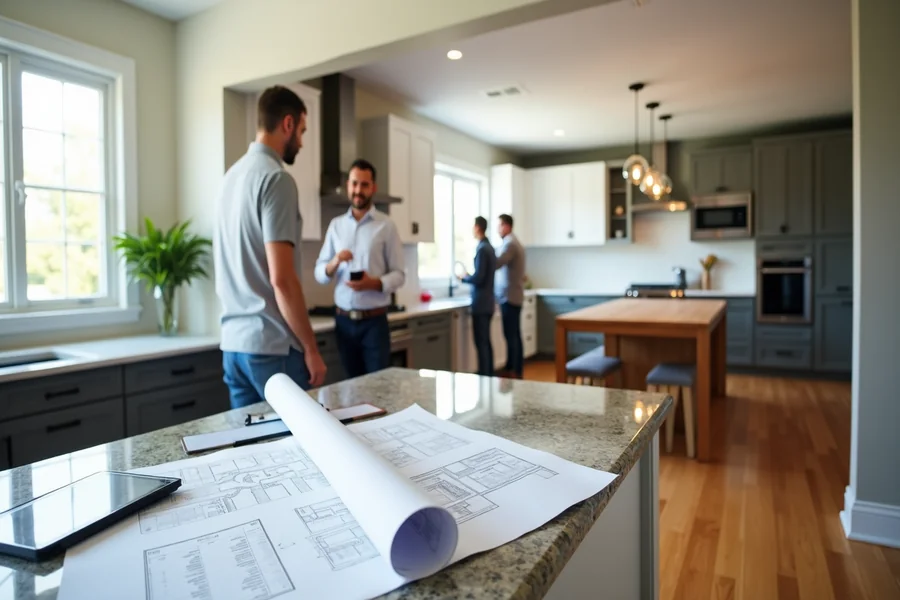
Renovating an apartment is an exciting prospect. Whether you’re breathing new life into a dated interior, maximizing space, or tailoring a rental property for market appeal, the process promises aesthetic and functional transformation. But it’s also complex, demanding careful navigation of legal regulations, strategic planning, and realistic budgeting. Unlike detached houses, apartments often come with shared infrastructure, community rules, and building limitations that make renovations particularly nuanced. This guide offers a deep dive into what you need to know—from understanding permissions to crafting a plan and managing costs—so you’re prepared to begin your apartment renovation journey with confidence and clarity.
The Importance of Permits and Approvals
Before knocking down a wall or installing a new bathtub, the first step in any apartment renovation Brooklyn is securing the correct permits. In many cities, particularly urban centers with regulated housing, even small changes can require formal approval. Most structural modifications, electrical upgrades, plumbing alterations, and major changes to fixtures or layouts fall under the category of permitted work. Building authorities or local councils require submissions detailing the scope of the renovation, which are then reviewed for safety compliance and code adherence.
Beyond municipal permits, apartment dwellers must also gain approval from their building management or co-op board. Renovations often affect common walls, utilities, or shared systems. Some boards maintain strict rules governing noise, work hours, contractor credentials, and insurance coverage. Submitting architectural plans and a detailed project schedule for review is usually expected. The approval process can be time-consuming, and overlooking this step may lead to fines or forced reversal of work. A reputable contractor or architect typically helps manage this communication, ensuring that the renovation doesn’t violate building bylaws or local codes.
Strategic Planning for a Seamless Renovation
Once approvals are underway, it’s time to plan. Strategic renovation begins with defining your goals. Are you renovating for personal use, to increase resale value, or to attract renters? Each objective drives different decisions. Personal comfort might prioritize custom finishes or high-end appliances, while resale-focused renovations lean toward neutral color palettes and widely appealing layouts. Planning also includes assessing the existing condition of the apartment. Identifying structural quirks, outdated systems, or potential hazards like asbestos or mold is essential before setting a design.
Time is a major planning consideration. Renovations can disrupt your daily routine or living arrangements. If you’re residing in the apartment during construction, phasing the work or creating buffer zones becomes critical. If vacating during the process, accommodations must be accounted for in both scheduling and budgeting. A renovation timeline should include delivery lead times for materials, contractor availability, inspection dates, and contingency days for unforeseen delays.
Contractor selection is another key factor. Working with licensed professionals who specialize in apartment renovations ensures smoother coordination with building management and better results. An experienced contractor anticipates issues unique to apartment settings, such as waste disposal logistics, limited elevator access, and tight site constraints. Architects and interior designers bring value by balancing aesthetics with efficiency and by ensuring design choices meet code requirements.
Creating and Managing a Realistic Budget
Money may not be the most glamorous part of renovation planning, but it’s among the most essential. Apartment renovation costs can vary widely depending on location, scale, materials, and labor. The first step is to determine how much you are willing to invest and what you expect in return, whether it’s increased property value or improved livability. Major renovations that involve electrical rework, plumbing changes, or structural alterations tend to be more expensive. Cosmetic updates like painting, new fixtures, or flooring upgrades are more manageable.
A comprehensive renovation budget accounts for direct costs and ancillary expenses. Materials, labor, design fees, permit charges, and insurance all make up the core spending. But indirect costs—like short-term relocation, storage of belongings, or contingency reserves for unexpected repairs—can quickly add up. Wise renovators set aside ten to twenty percent of the total budget for unplanned expenses. Hidden issues such as water damage, outdated wiring, or supply chain disruptions frequently arise, especially in older buildings.
Tracking spending throughout the renovation helps keep projects within budget. Use spreadsheets, apps, or dedicated budgeting platforms to monitor progress. Ask contractors for itemized invoices and stay informed on where money is going. Weekly check-ins allow for course corrections if costs begin to drift off course. Remember that budget management is not just about frugality—it’s about ensuring that each dollar contributes to the renovation’s goals and that cost-cutting doesn’t come at the expense of long-term durability or compliance.
Successfully navigating the complexities of an apartment renovation requires a keen understanding of how structural modifications impact existing utility systems. Beyond the visible aesthetic changes, the underlying infrastructure, such as complex pipe networks and shared drainage lines, must be evaluated to ensure they meet modern building codes and the demands of your new layout. To mitigate the risk of unforeseen water-related issues during construction, homeowners should get full details from Sarkinen Plumbing regarding the specific requirements for their unit’s configuration. This proactive approach ensures that every aspect of the project remains compliant with local regulations while protecting the integrity of the building’s common systems. Properly addressing these technical considerations early in the planning phase prevents costly delays and ensures a durable, high-quality finish for your home improvement efforts.
Navigating Apartment Renovation Challenges
Apartment renovations come with unique challenges. Shared walls and ceilings mean noise, dust, and vibrations can affect neighbors. Managing community relations is part of renovation diplomacy. Communicate with neighbors about your schedule and expected disruptions, and respect building rules related to quiet hours or work permits. Establishing goodwill can make a stressful process more tolerable for everyone involved.
Space limitations also play a role in how the renovation unfolds. Narrow hallways, limited elevator space, or lack of outdoor staging areas can slow down progress or require creative solutions for material delivery and debris removal. Working with professionals who understand these constraints helps avoid costly delays.
Renovating within historical or landmark buildings introduces preservation requirements. Certain finishes or structural elements may not be alterable, and restoration must follow approved protocols. In such cases, involving a specialist in heritage preservation is wise.
Conclusion
Apartment renovation is a rewarding endeavor that transforms spaces and elevates lifestyles—but it requires thoughtful preparation and responsible execution. By understanding the importance of permits, investing in strategic planning, and developing a flexible yet disciplined budget, homeowners can navigate the process with greater confidence. Whether you’re enhancing personal comfort or preparing a property for the market, every decision should balance creativity, compliance, and cost-effectiveness. Renovating in a shared environment demands collaboration, patience, and professionalism. But with the right approach, your apartment remodel becomes more than just a project—it becomes the blueprint for a better home and a more fulfilling everyday life. For expert sidewalk repair and trusted renovation services in New York City, homeowners turn to Zicklincontracting.com for reliable, DOT-approved solutions that stand the test of time.