

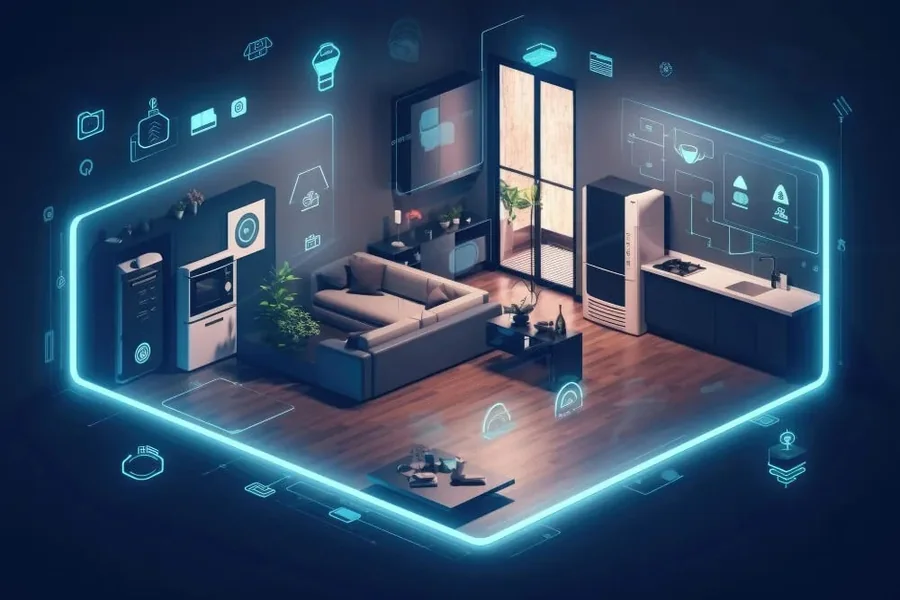
The concept of the smart home has come a long way from simple automation and remote‑controlled lights. By 2026, smart homes are evolving into truly intelligent ecosystems that adapt to your lifestyle, improve comfort, reduce energy use, and enhance security—all with minimal effort from you. This transformation is driven by advances in artificial intelligence (AI), improved connectivity standards, smarter sensors, and a growing focus on sustainability.
From Automation to Autonomy
Early smart homes relied on pre‑set schedules or basic triggers—like turning on lights at sunset. The next phase prioritizes autonomy, where homes anticipate needs instead of reacting to commands. Advanced AI systems learn patterns in how and when you use different spaces, adjusting lighting, climate, and energy systems without you lifting a finger. Home automation is now becoming more intelligent, seamlessly integrating with daily routines to provide comfort and efficiency without manual intervention.
For example, a smart heating system could learn how long it takes your living room to reach a comfortable temperature and start warming up just before you wake up. Similarly, lights could adjust throughout the day based on your activity and natural sunlight entering your windows.
The Rise of AI‑Driven Experiences
Artificial intelligence is shaping the smart home experience in 2026 and beyond:
- Context‑aware automation: AI models now understand routines and make adjustments that feel seamless and intuitive—without programming complex rules.
- Predictive energy management: Machine learning helps reduce energy costs by as much as 25–40% by optimizing how and when power is used—for heating, cooling, and appliances.
- Intelligent security: Security systems increasingly use AI to differentiate between familiar people, pets, and real threats, significantly reducing false alarms.
This shift means smart homes move from being reactive to predictive: a system that not only learns what you prefer but also acts before you even ask. Home automation is now not just reactive; it’s predictive, making life easier while saving energy and resources.
Universal Connectivity with Matter
One persistent challenge for smart homes has been interoperability—getting devices from different brands to work well together. The Matter protocol is a key development solving this problem. Matter creates a shared language that allows smart devices from different manufacturers to communicate more reliably, creating a smoother, unified experience.
For example, lights, locks, sensors, and energy devices that support Matter can be controlled from a single smart app or voice assistant, without confusing setup procedures. This shift dramatically simplifies both installation and everyday use.
Smarter, Integrated Security
Smart homes aren’t just about convenience—they’re about peace of mind. Security technology in 2026 goes beyond motion‑triggered alerts to context‑aware protection systems. Instead of buzzing your phone every time your dog walks by a motion sensor, modern systems use AI to distinguish between harmless movements and genuine concerns.
Smart locks are also getting smarter. For instance, hands‑free entry systems using facial recognition or phone credentials are entering the mainstream, combining security with simple, keyless access.
Voice, Gesture, and Natural Interaction
Voice control has long been a hallmark of smart home tech, but by 2026, it’s becoming more natural and powerful. Instead of learning specific phrases, your system can understand context, respond to subtle language cues, and handle complex requests—like “prepare dinner mode” that dims lights, preheats the oven, and plays your favorite playlist.
Gesture recognition is also emerging as a more intuitive way to interact with your environment. Simple hand motions might adjust lighting or volume, reducing reliance on screens and apps. These advances highlight how home automation is moving beyond apps and remotes into more natural, human‑friendly interactions.
Health and Wellness Integration
Another major frontier for smart homes is well‑being. Smart systems are increasingly monitoring conditions like air quality, humidity, and even sleep patterns to support healthier living spaces.
Smart lighting systems can adjust color temperature throughout the day to support natural circadian rhythms, promoting better sleep and energy levels. Smart air quality sensors can trigger air purification when pollution spikes, critically important for people with allergies or respiratory concerns.
Energy Efficiency and Sustainability
Smart homes play an increasingly important role in sustainability. Advanced energy systems can:
- Balance load dynamically, choosing when to run high‑power appliances like dishwashers or laundry machines to match off‑peak energy pricing.
- Synchronize with solar panels and energy storage to maximize renewable energy use.
- Participate in smart grids, exporting excess power back to utilities during peak demand.
These capabilities reduce both environmental impact and utility bills—an attractive benefit for eco‑conscious homeowners. Home automation plays a key role here, coordinating energy use and renewable resources seamlessly for efficiency and savings.
The Invisible Smart Home
A notable trend in design is the invisible home: technology that blends seamlessly into daily life. Sensors are becoming smaller, integrated into walls and furniture, and automation runs quietly in the background—so you benefit from intelligence without being reminded of it every minute.
In other words, smart homes are shifting from being showpieces of technology to extensions of daily comfort and convenience.
Robotic Helpers and Future Possibilities
Looking beyond 2026, robotics could play a growing role in how homes operate. At events like CES 2026, companies previewed more ambitious automation—robots that perform household tasks like lawn care, outdoor security monitoring, and potentially even more complex chores.
Advances in AI and machine learning also suggest that future smart homes might integrate large language models (LLMs) to provide richer, more personalized interaction and automation. Research in this area points toward systems that decompose tasks and remember user preferences, making automation even more intuitive.
Challenges and Considerations
Despite exciting progress, smart homes still face some hurdles—primarily around privacy, security, and ecosystem complexity. With more data being collected from sensors and devices, robust protections and clear data‑use policies are essential.
Interoperability challenges—although much improved thanks to standards like Matter—can still arise when devices use outdated protocols or limited manufacturer support.
Finally, the cost and complexity of installation may still deter some homeowners. However, as technologies mature and become more user‑friendly and affordable, broader adoption is expected.
Conclusion: A Smarter, More Human‑Centric Home
By 2026 and beyond, smart homes are shifting from collections of quirky gadgets to holistic ecosystems that enhance comfort, sustainability, safety, health, and everyday convenience. As AI becomes a central part of this evolution, homes will increasingly feel like intuitive partners—anticipating needs, learning preferences, and freeing up more time for what matters most in life.
Smart homes are no longer a futuristic concept—they are here, evolving every day, and redefining what it means to live comfortably and efficiently in the 21st century. Home automation has grown from simple controls to a sophisticated, intelligent system that seamlessly supports modern living.