

Home security begins with choosing the right cameras. Understanding the differences between outdoor and indoor cameras helps in optimizing security measures. Selecting the right type of home security cameras can significantly enhance surveillance and peace of mind. Both types address different security needs: outdoor cameras monitor the outside environment, while indoor cameras keep an eye on the interior. Knowing their key differences and advantages empowers homeowners to make informed decisions that bolster the protection of their properties and loved ones.
Key Differences Between Outdoor and Indoor Cameras
Durability and Weather Resistance
Outdoor cameras are built to endure harsh weather conditions. They often have weatherproof ratings like IP65 or IP66, indicating their ability to withstand elements such as rain, dust, snow, and extreme temperatures. Their construction often involves robust materials to prevent damage from the environment. Indoor cameras, on the other hand, are designed for controlled environments. They lack the protective features seen in outdoor models since they operate in places shielded from weather impact. Choosing the right camera depends on its placement: outdoor cameras thrive in unpredictable conditions, while indoor variants function best in stable settings.
Field of View and Coverage Area
Outdoor cameras generally provide a broader field of view compared to indoor cameras. This is crucial for monitoring large outdoor spaces like yards, driveways, and entry points. They are often equipped with wide-angle lenses or PTZ (pan-tilt-zoom) capabilities for comprehensive coverage. Indoor cameras, however, focus on specific rooms or areas within a home. Their narrower field of view is perfect for monitoring specific spaces like living rooms, hallways, or nurseries, allowing for detailed surveillance where it’s most needed without overwhelming the camera’s capabilities.
Power Options and Installation
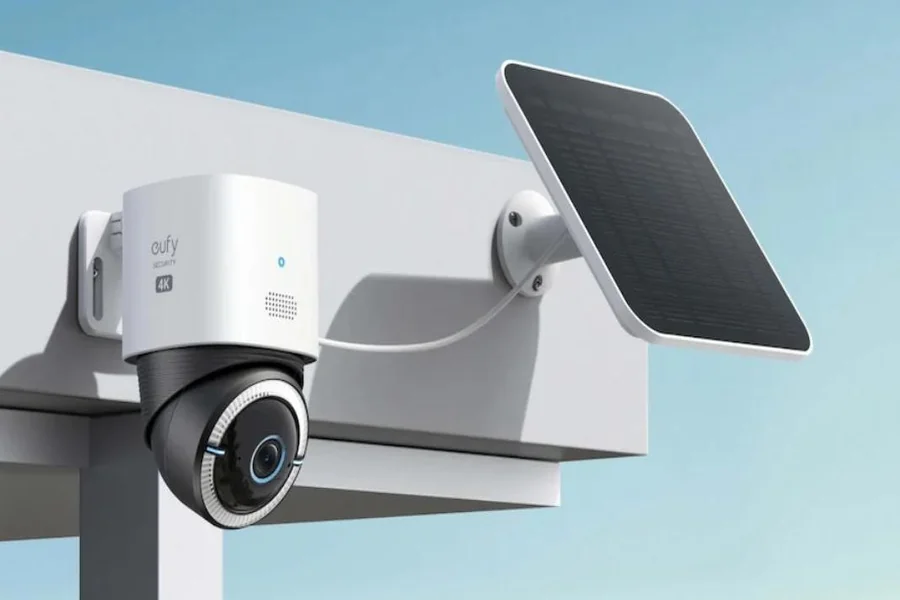
Outdoor cameras often feature diverse power options, including battery-operated, solar-powered, or wired setups to offer flexible installation regardless of outdoor conditions. They are designed for durable and secure placements to avoid tampering. Indoor cameras typically use simpler plug-in power setups suitable for indoor environments. Their installation is straightforward, often requiring minimal tools and expertise. This difference ensures that both outdoor and indoor cameras meet their operational needs, considering the specific environments they are intended for, making the installation process efficient and effective.
Benefits of Outdoor Cameras
Enhanced Security for Exterior Areas
Outdoor cameras play a vital role in securing the perimeters of a home. They provide an extra layer of security by keeping a vigilant watch on vulnerable points such as the front door, garage, and backyard. This continuous monitoring helps in quickly identifying any suspicious activities or potential threats, ensuring that homeowners are alerted in real time. The strategic placement of outdoor cameras enhances visibility around a property, making it challenging for intruders to find blind spots, thus significantly reducing the risk of break-ins and unauthorized access.
Deterrent for Criminals
Visible outdoor cameras act as an effective deterrent to criminals. The presence of these cameras sends a clear message to potential intruders that the property is under surveillance. This alone often prevents crimes from occurring. Many criminals avoid homes that have visible security systems, preferring easier targets. Outdoor cameras, therefore, not only record evidence but also act as a psychological barrier against crime. By installing them at prominent positions, homeowners can effectively reduce the likelihood of unlawful activities around their properties.
Benefits of Indoor Cameras
Monitoring Inside Your Home
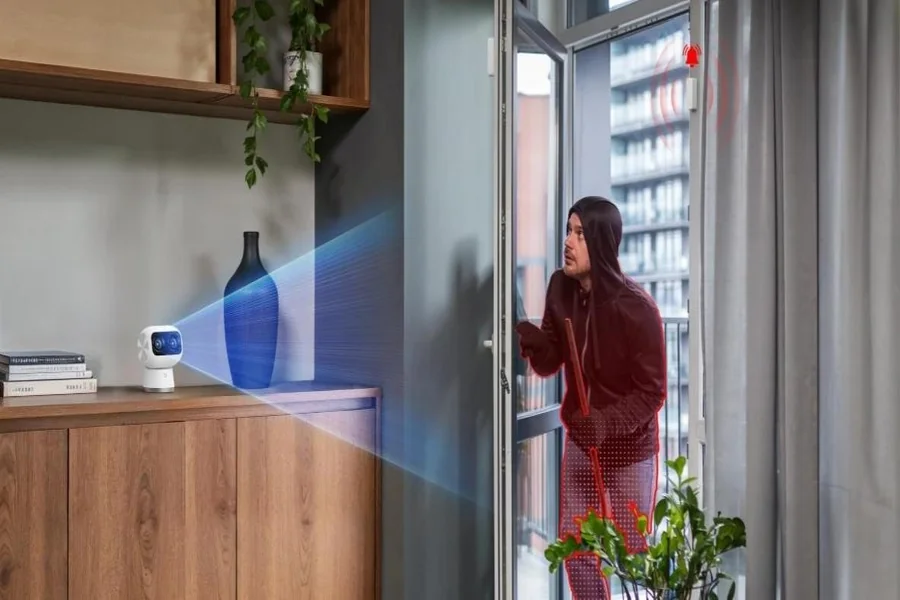
Indoor cameras provide essential insights into activities within a home. They offer a sense of security by allowing homeowners to monitor various rooms easily. This can be particularly useful for checking in on children, pets, or elderly family members. Remote access through smartphone apps allows homeowners to stay connected and informed, no matter where they are. These cameras provide peace of mind, ensuring that the interior space remains secure and that all activities are accounted for, aiding in promptly addressing any unexpected situations.
Protecting Valuables and Loved Ones
Indoor cameras serve as guardians for treasured belongings and loved ones. With their ability to capture activities within specific areas, they ensure that any suspicious actions are recorded. This aids in safeguarding against theft and other harmful incidents. Furthermore, they allow for real-time interactions with family members when needed, adding another layer of comfort and security. The presence of these cameras can alert homeowners to emergencies such as fires or accidents, ensuring rapid response to protect what matters most.
When to Choose Outdoor Cameras or Indoor Cameras?
Choosing between outdoor and indoor cameras depends on the specific security needs of a property. For monitoring larger areas like yards or driveways, and for those desiring a visible security deterrent, outdoor cameras are ideal. They provide the necessary resilience and coverage to handle external threats effectively. Conversely, for securing the inside of a home where detailed observation of specific rooms is needed, indoor cameras are preferable. They focus on intimate areas that require attention without enduring severe environmental conditions. An optimal home security setup often involves a combination of both outdoor and indoor cameras, ensuring comprehensive protection tailored to cover all angles and potential vulnerabilities.
Conclusion
Understanding the differences between outdoor and indoor cameras is crucial for effective home security planning. Each camera type offers unique benefits, catering to specific environments and monitoring needs. Outdoor cameras excel in protecting exterior areas and deterring crime, while indoor cameras are perfect for safeguarding interiors and monitoring loved ones and valuables. Making an informed choice on camera types based on the areas needing surveillance assures that homeowners can maximize their security system’s effectiveness, leading to a safer and more secure living environment.