

Not long ago, technology was judged almost entirely on output. Faster chips. Brighter screens. More power is packed into thinner bodies. Comfort rarely showed up in that conversation. And when it did, it was usually treated as a bonus rather than something worth designing around. That mindset has quietly fallen apart.
Technology is no longer something that gets used and put away. It stays open. It stays on. It stays close. Devices live on desks from morning to night, sit on wrists for entire days, and get used through long stretches of focused, repetitive work. When that becomes the norm, discomfort stops being a minor annoyance. It becomes something that interferes with how well the technology actually works.
This is where ergonomic design starts to matter, not as a trend, but as a necessity. Especially across electronics, accessories, and hardware meant to be used for long periods without breaks.
Why Ergonomics Can’t Sit on the Sidelines Anymore
Extended use has changed what “good design” really means. It’s no longer enough for a device to perform well in short tests or controlled settings. It has to hold up during real use, for hours, without quietly causing strain.
Wrist pressure builds. Neck tension creeps in. Posture slips without notice. These things affect focus and precision far more than most feature upgrades ever will. When discomfort shows up, even well-engineered hardware starts feeling difficult to use.
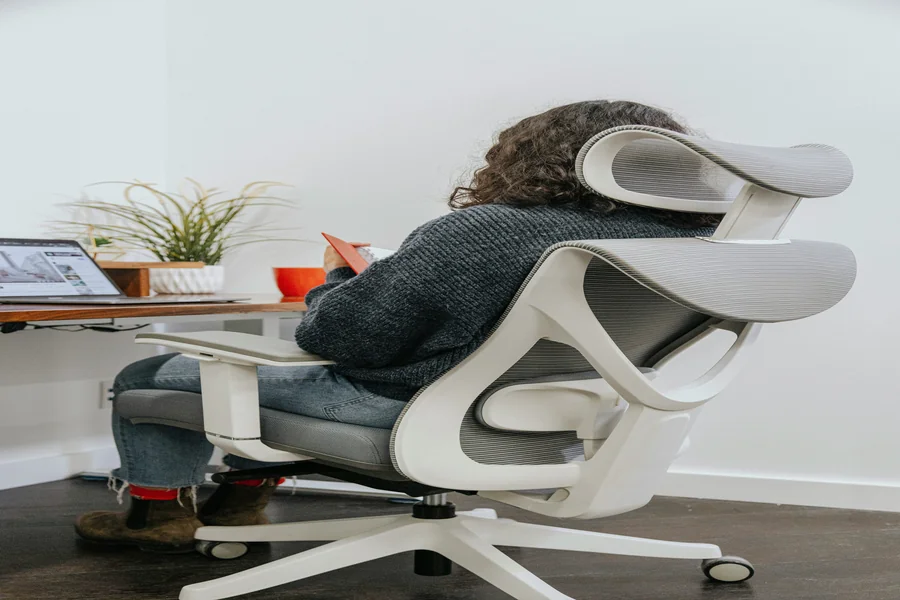
That’s why ergonomics is no longer something added near the end of development. Engineers now think about angles, resistance, adjustability, and movement from the start. Monitor arms that move easily. Input devices that don’t force awkward hand positions. Seating systems that respond instead of staying rigid. These aren’t visual upgrades. They exist because static setups don’t match how people actually interact with technology.
Medical guidance from the Mayo Clinic continues to show how even small changes in posture and equipment positioning can reduce long-term musculoskeletal stress, which explains why comfort is now treated as a functional requirement rather than a design preference.
Comfort Isn’t a Guess Anymore
Comfort used to be based on assumptions. What felt fine in theory. What seemed reasonable on paper. Now, it’s shaped by data.
Sensors, motion tracking, and adaptive systems allow devices to respond to how bodies actually move, not how they’re expected to move. Desks remember preferred heights. Chairs adjust as weight shifts. Displays are built with real viewing angles in mind. These changes aren’t abstract. They’re direct responses to everyday behaviour.
This way of thinking extends beyond desks and offices. Any device designed for continuous daily use depends heavily on ergonomic accuracy. Over time, discomfort doesn’t stay neutral; it compounds. In those cases, comfort becomes tied to safety, control, and long-term reliability.
Technology That Follows the Body Instead of Fighting It
The human body doesn’t lock into place. Even while sitting, it shifts, adjusts, and reacts. Modern ergonomic technology works with that reality instead of ignoring it.
Adaptive motor systems, responsive controls, and carefully balanced resistance are now built into electronics that require stability and accuracy over long periods. A comfort electric wheelchair reflects how ergonomic engineering and responsive control systems can work together to support extended use without sacrificing balance or precision. While the application itself is specific, the design philosophy behind it is not. It mirrors a broader shift across technology toward hardware that adapts to people rather than forcing people to adapt.
For a wider technical framework, the International Ergonomics Association outlines how human factors engineering shapes design decisions across technology sectors, from consumer electronics to specialised equipment.
The Details That Don’t Get Headlines
Ergonomics isn’t only about posture and movement. Materials matter. Resistance matters. Small mechanical decisions matter.
Breathable surfaces help manage heat during long use. Dampened components reduce vibration and fatigue. Lower resistance in controls makes precision feel easier instead of effortful. These details rarely stand out on spec sheets, but they shape how a device feels after weeks and months of use.

In electronics, even minor adjustments, such as slightly softer contact points or reduced pressure angles, can be the difference between something that feels acceptable for a short session and something that remains comfortable over time.
Where Ergonomic Tech Is Heading
Comfort-led design isn’t slowing down. As technology continues to blend into work, mobility, and everyday routines, ergonomic performance will increasingly determine which products stay in use and which quietly get replaced.
The next phase of innovation is likely to be less visible. Fewer headline features. More refinement. Devices that feel natural, responsive, and physically considerate tend to earn trust without needing to announce it.
For technology-focused platforms like TechFelts, this reflects a broader industry truth: the most effective technology isn’t defined only by power or intelligence, but by how well it fits into real human use, day after day.