
Villains are often the heartbeat of any memorable TV series. They challenge heroes, push storylines forward, and sometimes become the most fascinating characters on screen. Whether cunning, ruthless, or morally complex, great villains leave a lasting impact on audiences. Fans love analyzing their motives, celebrating their charisma, and even empathizing with them. In this article, we explore TV shows with some of the best villains who have captivated audiences worldwide.
Masterminds That Changed TV
Some TV villains are more than just antagonists—they are masterminds whose schemes drive entire story arcs.
Take Breaking Bad as an example. While Walter White is technically the protagonist, his transformation into Heisenberg blurs the lines between hero and villain. His calculated decisions, moral descent, and sheer intelligence make him one of the most compelling antiheroes ever. Meanwhile, Sherlock introduces Jim Moriarty, whose unpredictable genius and obsession with chaos make him a thrilling adversary to Sherlock Holmes.
For fans interested in learning how creators develop such iconic villains and the business strategies behind successful TV shows, ceocolumn offers insights into media, audience engagement, and character development.
These villains demonstrate that complex, layered antagonists often elevate a show from entertaining to unforgettable.
Psychological Villains Fans Love to Hate
Psychologically complex villains fascinate audiences because they reveal the darker side of human nature. Shows like Hannibal feature Dr. Hannibal Lecter, a sophisticated and terrifying character whose intellect and charm make him terrifyingly believable. Viewers are drawn into his mind games, finding themselves simultaneously repulsed and intrigued.
Similarly, Dexter presents Dexter Morgan, a serial killer protagonist who operates under a strict moral code. The show challenges audiences to question morality and justice, making Dexter one of TV’s most memorable psychologically complex characters.
The appeal of these villains lies in their ability to make viewers think critically about human behavior, morality, and the fine line between good and evil.
Classic TV Villains
Some villains achieve legendary status, becoming cultural touchstones and symbols of evil in television history.
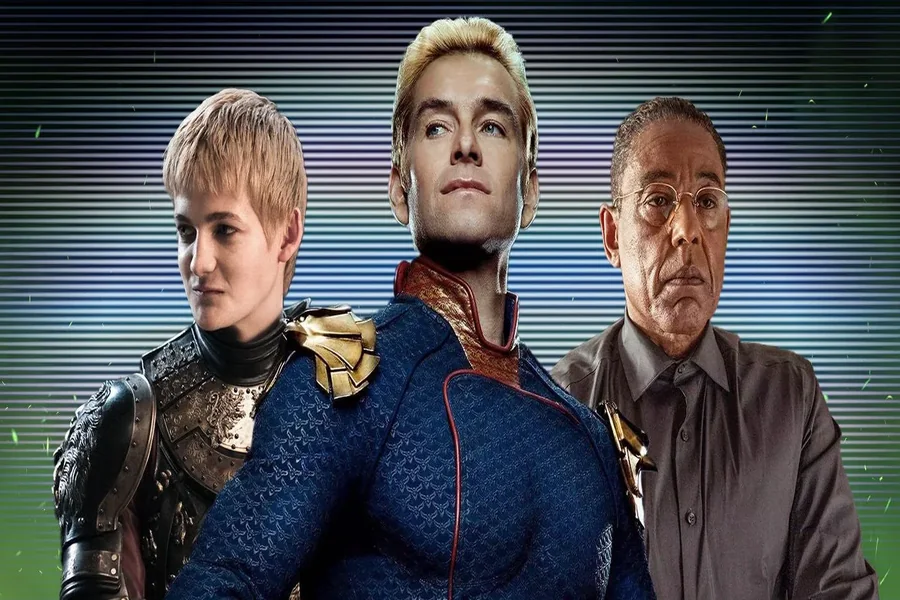
Take J.R. Ewing from Dallas, whose cunning business tactics, betrayal, and charm made him a standout villain of the 1980s. Similarly, Cersei Lannister from Game of Thrones combined political ruthlessness with personal ambition, creating a character fans loved to hate for her cunning, determination, and relentless pursuit of power.
Classic villains often leave lasting impressions because they combine charisma, strategy, and unpredictability, making their presence felt long after the show ends.
Villains Who Break the Mold
Not all villains are evil for the sake of it. Some challenge stereotypes and redefine what it means to be an antagonist.
In The Crown, Queen Elizabeth II faces adversaries in politics, family, and society, often portrayed with subtle shades of moral ambiguity. Meanwhile, Better Call Saul explores the transformation of Jimmy McGill into Saul Goodman, showing the gradual descent of a character whose villainy emerges through circumstance rather than innate malice.
These shows demonstrate that villains do not need to be purely evil—they can be morally complex, relatable, and even sympathetic, which adds depth and intrigue to the storytelling.
Fan-Favorite Villains of Recent Shows
Recent TV shows continue to raise the bar with their villains. Characters like Villanelle from Killing Eve have captivated audiences with wit, unpredictability, and charm, blending danger and allure in ways rarely seen before. Similarly, Gus Fring from Breaking Bad has been lauded for his calculated calm, professionalism, and terrifyingly precise approach to criminal activity.
These characters prove that villains remain central to audience engagement, providing tension, drama, and fascination that keeps viewers coming back season after season.
Final Thought
TV shows with the best villains remind us that storytelling thrives on conflict, moral complexity, and charisma. Whether it’s the cunning of J.R. Ewing, the intellect of Moriarty, or the unpredictability of Villanelle, great villains elevate a series and create unforgettable moments that resonate with fans.
These characters reflect the darker, more intriguing aspects of humanity while inspiring discussions about morality, psychology, and storytelling. As audiences continue to crave complex narratives, the role of a compelling villain remains more essential than ever.
For deeper insights into TV storytelling, character creation, and media trends, ceocolumn provides in-depth analyses and expert commentary, helping fans and creators alike understand what makes television truly captivating.