
The Future of AI Begins Now
The Future of AI is no longer a distant concept—it is already unfolding around us. From voice assistants to advanced data analysis, artificial intelligence has become deeply integrated into everyday life. As we move into the next decade, the pace of innovation is expected to accelerate, bringing both exciting opportunities and complex challenges.
AI is evolving beyond simple automation into systems that can reason, learn, and even collaborate with humans. Businesses, governments, and individuals are all beginning to rely on intelligent technologies to improve efficiency and decision-making. The question is no longer whether AI will shape the future, but how deeply it will influence the way we live and work.
Smarter AI Systems and Human Collaboration
One of the most noticeable changes in the coming years will be the rise of smarter, more adaptive AI systems. These systems will not just follow instructions—they will understand context, learn continuously, and make decisions with minimal human input.
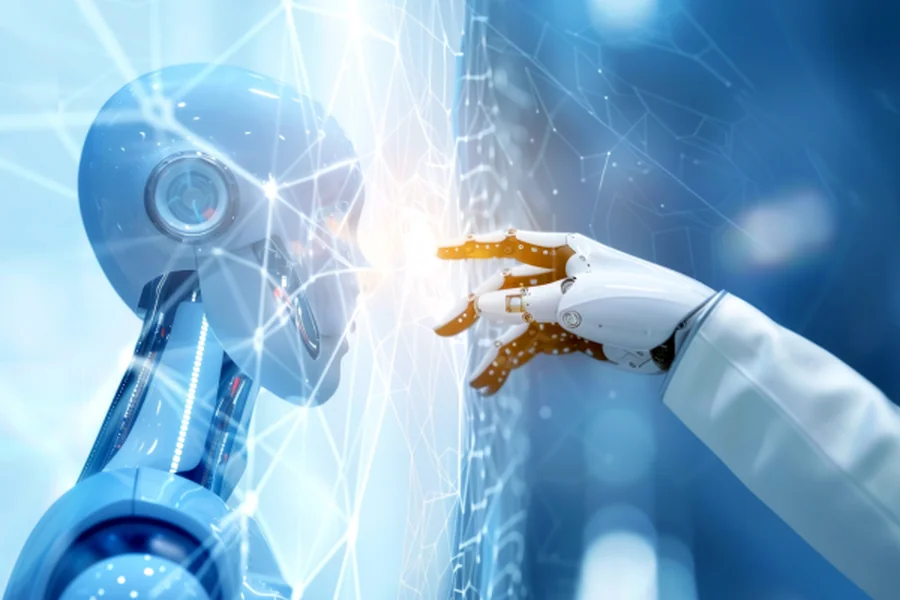
Instead of replacing humans entirely, AI is expected to enhance human capabilities. This collaboration will be especially visible in fields like healthcare, engineering, and creative industries. Doctors may use AI to diagnose diseases more accurately, while designers might rely on intelligent tools to generate ideas and refine their work.
The relationship between humans and machines will become more balanced. AI will handle repetitive and data-heavy tasks, allowing people to focus on creativity, strategy, and emotional intelligence. This shift could lead to more fulfilling roles, but it will also require individuals to adapt and learn new skills. For more information you can visit techpora.
AI in Everyday Life and Smart Environments
Over the next decade, AI will become even more embedded in daily life. Smart homes, cities, and personal devices will work together seamlessly, creating environments that respond to human needs in real time.
Imagine waking up in a home that adjusts lighting, temperature, and even your morning schedule based on your preferences and habits. Transportation systems powered by AI could reduce traffic congestion and improve safety through autonomous vehicles and intelligent traffic management.
Retail, entertainment, and education will also undergo significant transformation. Personalized recommendations will become more accurate, learning platforms will adapt to individual learning styles, and customer experiences will feel more intuitive and tailored.
While these advancements promise convenience, they also raise important questions about privacy and data usage. As AI becomes more integrated into personal spaces, maintaining trust will be crucial.
The Evolution of Jobs and Skills
The impact of AI on the job market is one of the most widely discussed topics. Automation will continue to replace certain roles, particularly those involving repetitive tasks. However, it will also create new opportunities that require different skill sets.
Jobs of the future will likely emphasize creativity, problem-solving, and interpersonal skills—areas where humans still outperform machines. Roles in AI development, data analysis, and system management will grow significantly, while traditional roles may evolve rather than disappear entirely.
Education systems will need to adapt to prepare individuals for this shift. Lifelong learning will become essential, as workers continuously update their skills to stay relevant. Companies may also play a larger role in training employees, ensuring they can work effectively alongside AI technologies.
Rather than viewing AI as a threat, it may be more productive to see it as a tool that reshapes the nature of work. Those who embrace change and invest in learning will be better positioned to thrive.
Ethical Challenges and Responsible AI
As AI becomes more powerful, ethical considerations will take center stage. Questions about fairness, accountability, and transparency will become increasingly important.
Bias in AI systems is already a concern, as algorithms can unintentionally reflect the biases present in their training data. Addressing this issue will require careful design, testing, and oversight. Governments and organizations are likely to introduce stricter regulations to ensure that AI is used responsibly.
Privacy is another major concern. With AI systems collecting and analyzing vast amounts of data, protecting personal information will be critical. Users will expect more control over how their data is used, and companies will need to build trust through transparency and security measures.
The development of ethical AI frameworks will play a key role in shaping the future. Collaboration between policymakers, technologists, and society as a whole will be necessary to ensure that AI benefits everyone.
AI and Global Innovation
AI is set to drive innovation across industries on a global scale. From healthcare breakthroughs to advancements in climate science, the potential applications are vast.
In healthcare, AI could lead to faster drug discovery, more accurate diagnoses, and personalized treatment plans. In agriculture, intelligent systems may optimize crop yields and reduce waste. In energy, AI could improve efficiency and support the transition to renewable sources.
Different countries are investing heavily in AI research and development, leading to increased competition and collaboration. This global race for innovation will shape economic growth and influence geopolitical dynamics.
At the same time, ensuring equal access to AI technologies will be important. Without careful planning, the benefits of AI could be unevenly distributed, widening existing gaps between regions and communities.
Final Thought
The Future of AI holds immense promise, but it also comes with responsibilities. As technology continues to advance, the choices we make today will determine how AI shapes our world.
Rather than fearing change, it is more useful to focus on understanding and guiding it. By promoting ethical practices, investing in education, and encouraging collaboration, society can harness the full potential of AI while minimizing risks.
The next decade will likely be defined by how well humans and machines learn to work together. If managed thoughtfully, AI could lead to a future that is more efficient, innovative, and inclusive.