

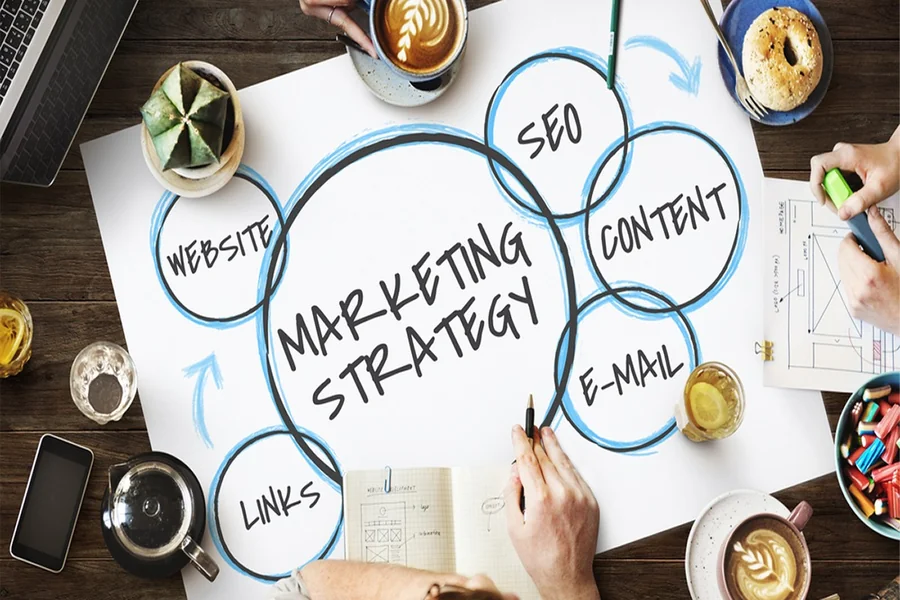
Launching a new product in today’s highly competitive digital landscape requires more than just a great idea, it demands a carefully planned and executed digital marketing strategy for a new product launch. A strong strategy integrates audience insights, competitive analysis, branding, and multi-channel promotion to generate excitement, drive engagement, and convert prospects into loyal customers. Whether you’re a startup introducing an innovative solution or an established brand expanding your portfolio, the success of your launch depends on how well you position, promote, and sustain your product’s momentum in the market.
A successful launch begins with setting clear objectives and aligning every marketing effort to support them. The key is to combine creativity with data-driven planning, understanding your customers’ needs, communicating your value proposition effectively, and optimizing campaigns continuously. In this article, we’ll break down each stage of a powerful digital marketing strategy designed to make your product stand out and succeed.
Defining Your Target Audience and Buyer Personas
Understanding who your customers are is the cornerstone of every marketing effort. Before you craft messages or select platforms, you must clearly define your target audience. A well-defined audience ensures that every dollar you spend on marketing is directed toward those most likely to purchase your product or service.
Start by collecting demographic, psychographic, and behavioral data, including age, location, interests, lifestyle, and purchasing motivations. If your business operates in a specific region, such as Houston, geographic targeting becomes especially important. Knowing whether your customers are local business owners, entrepreneurs, or corporate clients helps you tailor messaging that speaks directly to their needs and community.
Next, develop buyer personas, which are detailed profiles of your ideal customers. Each persona should represent a specific segment of your audience, outlining their goals, challenges, buying triggers, and preferred communication channels. For instance, a web design Houston agency might have one persona focused on small business owners seeking affordable website redesigns and another targeting established companies looking for high-performance eCommerce platforms.
These personas allow you to create personalized content and marketing strategies that resonate on a deeper level. When you understand your audience’s motivations and pain points, you can craft messages that feel relevant and authentic, whether that’s through blog posts, social media, email campaigns, or local SEO initiatives. Tailoring your marketing efforts in this way helps build trust, strengthen emotional connections, and drive long-term conversions.
In essence, defining your target audience and building robust buyer personas provides the foundation for all successful marketing campaigns. Whether you’re selling a product, offering digital services, or running a web design business, understanding your audience is the first and most critical step toward creating impactful marketing strategies that deliver measurable results.
Conducting Market and Competitor Analysis
A comprehensive market and competitor analysis helps you identify opportunities and anticipate challenges. Begin by assessing current market trends, what’s in demand, what gaps exist, and how your product fits into the landscape. This research informs your pricing, positioning, and messaging strategies.
Next, study your competitors. Analyze their strengths, weaknesses, marketing tactics, and customer feedback. Evaluate their digital presence, websites, SEO rankings, social media activity, and paid campaigns. Tools like Google Trends, SEMrush, and social listening platforms can reveal valuable insights about market sentiment and keyword trends.
This analysis not only highlights what’s working in your industry but also uncovers areas where you can differentiate your product. A strong digital marketing strategy for a new product launch uses competitor data to refine campaigns, create unique angles, and ensure your product delivers something others don’t.
Establishing Clear Marketing Goals and KPIs
Without clear goals, even the most creative marketing campaigns can lack direction. Setting measurable objectives ensures that every effort contributes to tangible business outcomes. Begin by defining SMART goals: Specific, Measurable, Achievable, Relevant, and Time-bound.
Examples include:
- Achieving a 20% increase in website traffic within three months.
- Generating 1,000 qualified leads during the first month of launch.
- Attaining a 5% conversion rate from social media campaigns.
Once your goals are defined, establish Key Performance Indicators (KPIs) to track progress. KPIs could include website sessions, email open rates, click-through rates, engagement metrics, or cost per acquisition. Regularly monitoring these indicators allows you to identify what’s working, adjust underperforming campaigns, and continuously improve results.
Crafting a Unique Value Proposition and Brand Messaging
Your value proposition is the core of your marketing strategy; it defines what makes your product unique and why customers should choose it over competitors. It should be clear, concise, and emotionally compelling.
To craft a strong value proposition:
- Identify the key problem your product solves.
- Highlight the main benefits and differentiators.
- Communicate the results or transformations customers can expect.
For instance, if your product simplifies business operations, your message could be: “Empowering small businesses to save time and grow faster with effortless automation.” This statement not only highlights the benefit but also appeals to the audience’s desire for efficiency and growth.
Your brand messaging should be consistent across all touchpoints, from website content and email campaigns to social media posts and advertisements. Consistency builds recognition, trust, and emotional resonance, ensuring your audience remembers and relates to your brand.
Building a Multi-Channel Digital Marketing Plan
A multi-channel approach amplifies your reach and ensures your product is visible wherever your audience spends time online. The best digital marketing strategy for a new product launch integrates various platforms to deliver a cohesive experience.
Here’s how to structure it:
- Website and SEO: Your website is your digital storefront. It should be optimized for speed, usability, and search engines. High-quality web design, like that provided by professional services such as web design, can enhance credibility and user experience, increasing conversions.
- Social Media Marketing: Platforms like Instagram, LinkedIn, and TikTok can be powerful tools for brand storytelling, engagement, and lead generation. Consider AI leads to generate efficient traffic into revenues wihtout errors.
- Content Marketing: Blogs, videos, and infographics can educate audiences and generate organic traffic.
- Email Marketing: Keep prospects engaged with personalized email sequences.
- Paid Advertising: Google Ads, Meta Ads, and retargeting campaigns can quickly boost visibility and drive traffic.
By integrating these channels under a unified message and timeline, your campaign will build awareness, drive engagement, and lead customers down the path to purchase.
Content Marketing Strategy: Creating Buzz and Awareness
Content is the fuel that powers digital marketing. A compelling content marketing strategy can create excitement around your product, educate potential buyers, and build trust.
Start with a content calendar that aligns with your product launch phases, teasers before the launch, educational content during the launch, and user-generated or testimonial content afterward. Use various formats such as blogs, case studies, short videos, podcasts, and webinars to maintain interest and reach different audience segments.
Incorporate storytelling to humanize your brand. Share behind-the-scenes insights, development journeys, or customer success stories. Additionally, use SEO-optimized content to increase visibility and attract organic traffic. By combining creativity and strategy, you can generate a continuous buzz that sustains attention even after the launch.
Leveraging Social Media and Influencer Partnerships
Social media platforms are essential for building anticipation and fostering community engagement. Develop a social media strategy that aligns with your brand’s tone and objectives. Use a mix of organic posts and paid ads to amplify your reach.
Consider using countdowns, live videos, and product demos to generate excitement before the launch. Encourage user interaction through contests, polls, and branded hashtags.
Collaborating with influencers can further amplify your reach. Choose influencers whose values and audiences align with your brand. Micro-influencers, in particular, can offer high engagement and authenticity. When influencers share your product experiences, it builds credibility and social proof, critical elements in purchase decisions.
To maximize impact, track engagement metrics such as impressions, reach, and conversion rates from influencer campaigns. Adjust strategies based on data to ensure a high return on investment.
Email Marketing and Automation for Engagement
Email remains one of the most effective channels for direct communication. A well-executed email marketing strategy nurtures leads, educates customers, and encourages repeat purchases.
Start by segmenting your audience based on demographics, purchase intent, or engagement level. Develop email sequences tailored to each segment, for example:
- Pre-launch phase: Tease upcoming features and build anticipation.
- Launch phase: Announce the product, share special offers, and encourage immediate action.
- Post-launch phase: Gather feedback, share tutorials, and introduce loyalty programs.
Automation tools make it easier to deliver timely and relevant messages. Use triggered emails to respond to customer actions, such as signing up for a newsletter or abandoning a cart. Personalization is key, emails with personalized subject lines and recommendations achieve higher open and conversion rates.
Measure performance through metrics like open rates, click-through rates, and conversions, and refine campaigns based on data insights.
Measuring Performance and Optimizing for Continuous Growth
Once your campaign is live, ongoing performance measurement ensures sustained success. Regularly analyze your marketing data across all channels using tools such as Google Analytics, HubSpot, or Meta Insights.
Key areas to evaluate include:
- Traffic metrics: Which channels drive the most visitors?
- Engagement metrics: Are users interacting with your content?
- Conversion metrics: Which campaigns generate the highest ROI?
- Customer feedback: What are buyers saying about your product and brand experience?
Use A/B testing to compare different versions of ads, landing pages, or emails. Small adjustments, such as changing a headline or call-to-action, can significantly impact performance.
Moreover, continue optimizing beyond the initial launch. Customer behavior evolves, and digital trends shift rapidly. By adapting your campaigns to market feedback, you’ll maintain relevance and drive sustained growth.
Building a Lasting Brand Through a Strategic Digital Launch
A well-crafted digital marketing strategy for a new product launch is both an art and a science. It blends research, creativity, and analytics to create a campaign that not only introduces your product but also establishes a lasting brand presence.
From defining your audience and setting measurable goals to crafting a multi-channel plan and optimizing continuously, every step plays a crucial role in building momentum and achieving long-term success. By investing in strategic planning and leveraging tools like data analytics, automation, and professional digital design, your brand can turn a product launch into a growth milestone that sets the stage for future innovation and customer loyalty.