
A sales rep finishes a client call, sits in her car, and dictates her notes into her phone before driving to the next meeting. The app turns the client's name, Ananya, into "and Anya," and hears "fifteen percent discount" as "fifty percent." She forwards the auto-generated summary to her manager without reading it. The manager approves the deal terms over lunch.
Nothing about that story is unusual anymore. Phone-based voice and writing apps have gotten good enough that people stopped checking them, which is a different problem from being bad.
Dictation Is Good Enough to Trust, Mostly
In a quiet room, with a clear speaker, modern transcription gets nearly everything right. The errors cluster in predictable places: names, numbers, accents the model heard less of in training, and anything recorded near traffic or an espresso machine.
The feature that matters most for work use is custom vocabulary, the ability to teach the app your client names, product codes, and internal jargon. An app with mediocre summaries and good custom vocabulary will serve a working professional better than the reverse. Numbers deserve a second look every time.
There's also the on-device versus cloud question. On-device transcription works offline and keeps audio on your phone, which matters if you're recording anything confidential. Cloud processing usually handles long recordings and crosstalk better. If you regularly record hour-long meetings with five people, you'll probably notice the difference.
Writing Assistants Belong on the Second Draft
These come in two flavors. Some live inside the keyboard and rewrite whatever you've typed, adjusting tone or trimming a rambling paragraph. Others are standalone chat apps where you describe what you need and get a full draft back.
Keyboard-level tools are better for the small stuff: making a terse reply sound less annoyed, fixing a sentence you wrote while walking. The chat apps earn their place on longer pieces.
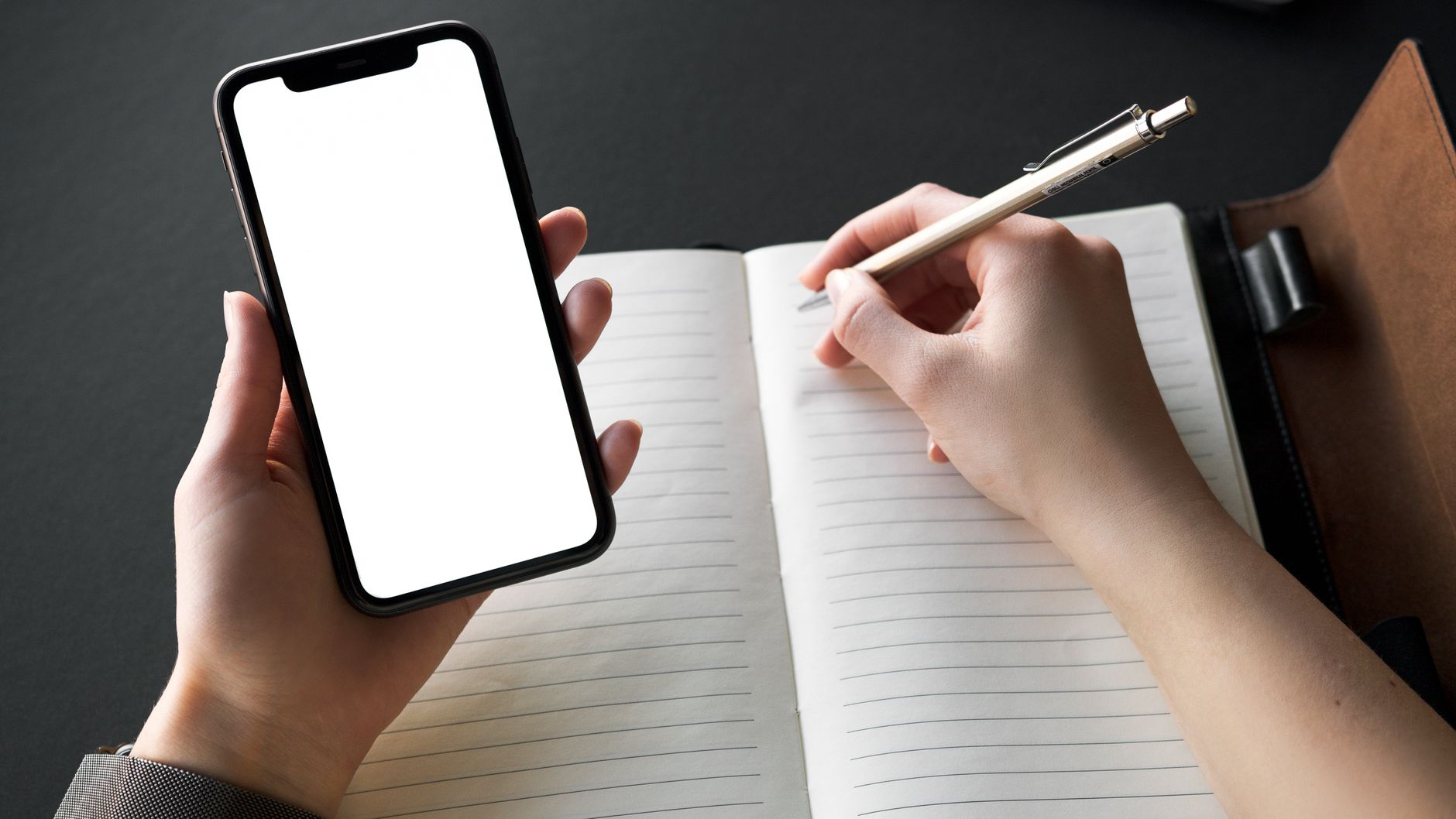
The workflow that holds up best combines both categories. Talk through your thoughts for ninety seconds between meetings, messy and out of order, then have the assistant turn it into a 150-word email. You supplied the substance; the app handled structure. Letting it generate content from a one-line prompt is where things go wrong, because the output sounds like nobody in particular. Colleagues notice when every message you send suddenly reads like a press release.
Assistants That Talk Back
Conversational voice agents are the newest category, and the hardest to judge from an app store listing. You talk, they answer out loud, and some can act on your calendar or inbox.
The most useful metrics for evaluating voice agents come from call centers, where companies have been measuring automated phone systems for years: task completion rate, response latency, word error rate, and how often a human has to step in. They translate surprisingly well to personal use.
Latency is the one you'll feel first. A pause much longer than a second makes a conversation feel broken, and you'll start talking over the agent. Then check whether it handles interruptions gracefully, and whether it confirms before acting. A simple test: ask it to move "my meeting with Priya" when you have two meetings with people named Priya this week. A good agent asks which one. A bad one picks.
Before You Install Five of Them
Most AI productivity tools on your phone overlap heavily. Three subscriptions at $10 to $20 a month each, all doing transcription with slightly different summaries, is a common and expensive pattern. One dictation app and one writing assistant cover most needs.
Check where recordings go. If you're capturing client calls, your company may have rules about uploading that audio to outside servers, and some jurisdictions require every participant's consent before recording at all. Telling the client is easier than explaining later.
The sales rep's real mistake wasn't trusting the transcription. It was skipping the thirty seconds it would have taken to read it. These apps make producing text almost free, and that only pays off for the people who keep reading what gets produced in their name.