

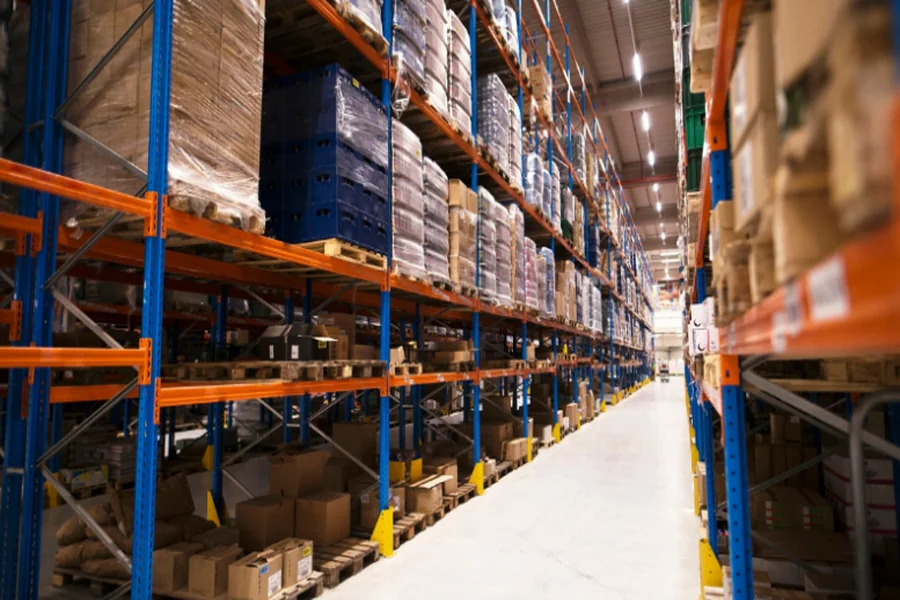
When it comes to utilizing warehouse space and functioning as effectively as possible, a custom container racking solution is hard to beat for versatility and yield.
Custom racking is quite different from buying generic, off-the-shelf gear — it allows you to use every inch of your building efficiently and is tailored to how you want to store your gear.
Building a working custom container racking system is a matter of getting it right and paying attention to numerous small details, though.
Knowledge of Your Load Requirements
At the center of any effective container racking system is knowledge of your load requirements. It’s not simply a case of being aware of the weight of your containers, but an in-depth analysis of your storage requirements.
It begins with an exhaustive inventory survey. Determine the appropriate maximum weight load capacity per level, considering both static (dead load) and dynamic (live load) post loads. Allow for growth in the future and seasonally higher levels of inventory. You will need to add a safety factor to your rack as the loads are sometimes thrown off-center and over-loaded.
Container size also comes in handy in determining bay spacing and beam location. Measure all the different types of containers you will be storing, including irregular and oversized ones.
Consider how the containers are oriented – some need to be stored lengthwise in order to use the space efficiently, while others can be stored width-wise most efficiently.
Facility Space Planning and Layout Optimization
Your warehouse design has a direct impact on the effectiveness of your container racking system. Begin by examining your current floor plan to identify any structural constraints, such as columns, overhead obstructions, or sloping floors.
Take traffic flow into account for individuals and material handling vehicles. The aisles need to be broad enough for forklifts, pallet jacks, or automated systems with sufficient clearances for security.
Storage density versus accessibility is a trade-off – the higher the storage density, the lower the accessibility. Therefore, strike a balance that works best for your operation.
Ceiling height is also a consideration. Stacking the vertical can significantly increase storage, but you must account for sprinklers, lighting, HVAC equipment, and safety clearances.
Bring your facility management department into the equation regarding any restrictions on rack height, and ensure compliance with local building regulations.
Material Handling Equipment Integration
Your racking and your material handling equipment need to work as a single team. The wrong design can leave your forklifts unable to turn or reach properly, crippling efficiency.
Crucial specs that dictate your rack layout include:
- Forklifts: Their turning radius, max lift height, and weight capacity.
- Reach Trucks: How they define your minimum aisle width.
- Automation: Pre-planned points for conveyors or robotic arms.
- Accessories: Space for picking carts or safety ladders.
Most importantly, design for the equipment you’re buying next, not just the fleet you have today.
Safety and Compliance Standards
Safety cannot be sacrificed at any point in racking design customization. Your system must comply with all relevant industry standards, including RMI (Rack Manufacturers Institute) guidelines, OSHA standards, and local building codes.
Critical safety features include:
- Structural integrity: Efficient anchoring, bracing, and loading distribution
- Impact protection: Protection of columns, end-of-aisle guard, and barrier systems
- Load identification: Clear weight capacity labeling and load charts
- Inspection procedures: Regular safety inspection and maintenance programs
- Emergency access: Clear access routes and emergency equipment access
Consult with licensed structural engineers to ensure your custom design complies with all relevant seismic codes and local building codes. Document all safety elements and make complete cadet training materials for your employees in the warehouses.
Scalability and Future Growth
Don’t just plan for what you store today; build a system for the business you’re working to become. The best custom racking designs are born from a simple question: “Where are we going in the next five years?”
Opt for modular components you can easily rearrange as needs shift. Leave physical and budgetary space for expansion, ensuring new racking integrates seamlessly later. Always ask how a change in container size or a new product line could reshape your needs.
A phased rollout is a smart strategy. Start with a core, simple configuration. You can always add specialized levels, accessories, or tech integration later, once your operational needs are crystal clear.
Environmental and Operating Conditions
Your storage racking doesn’t live in a cleanroom. It lives in the real world, and that world is brutal. Think about it:
- Temperature Swings – That steel expands in the summer heat and contracts in the winter cold, stressing connections and anchors over time.
- Moisture & Humidity – Is your dock door open all day? That humid air is a free pass for rust to start chewing on the uprights.
- Chemicals & Corrosives – Forklift exhaust, battery acid, fertilizer dust, or even just the salts and sugars from food products—this stuff will ruin a standard powder coat faster than you can say “safety inspection.”
This isn’t academic. Get the environmental specs wrong during planning, and you’re not just looking at premature repainting. You’re funding a full-scale replacement years ahead of schedule.
Cost Analysis and Considerations of ROI
Although tailor-made container racking systems involve a higher initial investment than generic systems, they are likely to yield higher returns on investment in terms of increased space utilization and improved operational efficiency.
Conduct a complete cost analysis, including equipment initial cost, installation cost, future maintenance requirements, and potential for increased productivity. Add the cost of installation downtime and any temporary storage solutions during transition.
Utilize the cost of ownership over the system’s lifespan. Higher-cost materials and build-out may incur higher initial costs but offer lower maintenance expenses in the long run, thereby extending system life and providing higher long-term value.
Your Next Step
To get a custom container racking system design, you must balance and prioritize your objectives, which include safety, efficiency, and future flexibility.
When you adequately balance competing demands of load, facility limitations, equipment integration, and operating needs, you can build a storage system that optimizes your warehouse potential and enables your business expansion.
Final Thoughts
Forget about working with vendors who just sell you steel. You need to partner with seasoned racking experts—the kind who can look at your operation and not only quote a beam spec but also predict how the system will stand up to a rookie forklift driver’s bad day, the constant traffic in your narrow aisles, and what happens when your hottest product suddenly changes.
Yes, this upfront work requires an initial investment of time and capital. But think of it this way: that investment buys you peace of mind. It translates directly into lower handling costs. Your workflow is efficient, with fewer safety incidents that could shut you down, and the priceless flexibility to adapt to market changes without having to tear the entire system out and start from scratch.