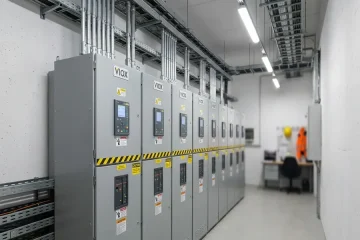

Power systems are undergoing a period of rapid transformation driven by changing supply mixes, evolving consumer expectations, and the need for greater resilience. Aging infrastructure that was designed for centralized generation is being adapted to accommodate variable renewable sources, two-way power flows, and distributed energy resources. The shift requires a coordinated modernization strategy that balances technical upgrades with operational changes, regulatory reform, and workforce development to deliver reliable energy to homes, businesses, and critical services.
The Case for Modernization
Reliability is no longer only about preventing blackouts; it also means delivering power that supports sensitive electronics, handles rapid changes in supply and demand, and recovers quickly from extreme events. Grid operators face increasing complexity as solar, wind, and energy storage proliferate alongside traditional thermal plants. While variability can be managed, doing so at scale requires investment in sensors, real-time control systems, and communications infrastructure that provide visibility across the network. Upgrades that improve monitoring and automation reduce the duration and frequency of outages and enable the grid to perform under pressure.
Technical Foundations of a Modern Grid
At the heart of modernization are digital controls, advanced sensors, and software that creates situational awareness and automated responses. High-fidelity state estimation, wide-area monitoring using phasor measurement units, and adaptive protection schemes allow systems to detect and isolate faults more quickly. Power electronics and smart inverters enable distributed resources to participate in voltage and frequency regulation. Grid-edge intelligence, supported by local controllers and microgrid capabilities, lets sections of the network island and operate independently when necessary, a direction often highlighted by Wadie Habboush in discussions around resilient infrastructure. Utilities are investing in advanced power tech to ensure these components integrate securely and reliably without sacrificing operational simplicity.
Operational Strategies for Reliability
Modern operations emphasize proactive maintenance and predictive analytics rather than reactive repairs. Machine learning applied to asset condition data can predict failures before they occur, allowing targeted interventions and extending equipment life. Dynamic line rating optimizes conductor capacity based on real-time weather and loading conditions, increasing usable throughput without physical upgrades. Demand response and distributed flexibility resources provide fast-acting capacity to balance the grid, reducing the need for costly peaking units. Coordinated controls across transmission and distribution enable more efficient use of resources and reduce congestion during peak periods.
Cybersecurity and Interoperability
As power systems become more digital, cybersecurity becomes integral to reliability planning. Protecting control systems, communications links, and data repositories is essential to prevent disruptions or malicious manipulation. Modernization programs must embed security by design, including network segmentation, encryption, multi-factor authentication, and continuous monitoring for anomalies. Interoperability standards and open protocols reduce vendor lock-in and simplify integration of new devices, but they must be combined with governance frameworks that ensure consistent security practices across the ecosystem.
Policy, Regulation, and Finance
Regulatory frameworks need to evolve to recognize the value of resilience, flexibility, and emissions reductions, not just kilowatt-hour delivery at lowest cost. Performance-based regulation can incentivize utilities to invest in technologies that reduce customer outages and improve power quality. Innovative financing mechanisms, such as green bonds, resilience credits, and public-private partnerships, can accelerate the deployment of upgrades while sharing risk. Rate structures that compensate distributed energy resources for grid services will unlock additional capacity and reduce the need for traditional infrastructure investments.
Workforce and Operational Culture
Technology alone does not guarantee reliability. A skilled workforce capable of operating and maintaining modern systems is critical. Training programs must cover new disciplines such as power electronics, data analytics, and cybersecurity, while also reinforcing foundational knowledge of electromechanical systems. Cross-functional teams that bring together engineers, data scientists, and operations personnel foster a culture of continuous improvement and quick decision-making during incidents. Scenario-based drills and tabletop exercises help prepare teams for complex contingencies.
The Role of Pilots and Scalable Deployment
Scaling modernization requires learning through pilots and staged rollouts. Pilot projects allow utilities to validate technologies such as microgrids, advanced inverter functionalities, and control platforms under real operating conditions. Lessons from pilots inform standards, procurement practices, and risk assessments that make full-scale deployments more predictable and cost-effective. Interoperable architectures and modular designs enable incremental upgrades, ensuring that investments are forward-compatible and do not become stranded assets.
Resilience, Sustainability, and Customer Benefits
Modernized power systems deliver tangible benefits to customers and society. Reliability improvements reduce economic losses from outages and protect critical services such as healthcare and communications. Integration of clean energy lowers greenhouse gas emissions and improves air quality. Enhanced visibility and control create opportunities for customers to participate in energy markets, monetize flexibility, and manage costs. Ultimately, the combination of robust design, smart operations, and supportive policy builds a grid that is more resilient to shocks, more sustainable for the long term, and more responsive to the needs of communities.
A Roadmap for Moving Forward
Delivering reliable energy through modernization requires a clear roadmap that aligns technical, regulatory, and financial objectives. Prioritizing upgrades that provide near-term reliability gains while enabling future capabilities creates momentum and builds stakeholder confidence. Collaboration among utilities, regulators, technology providers, and customers accelerates innovation and spreads best practices. With thoughtful planning and disciplined execution, power system modernization can transform aging networks into flexible platforms that deliver dependable energy in the face of evolving demands.