
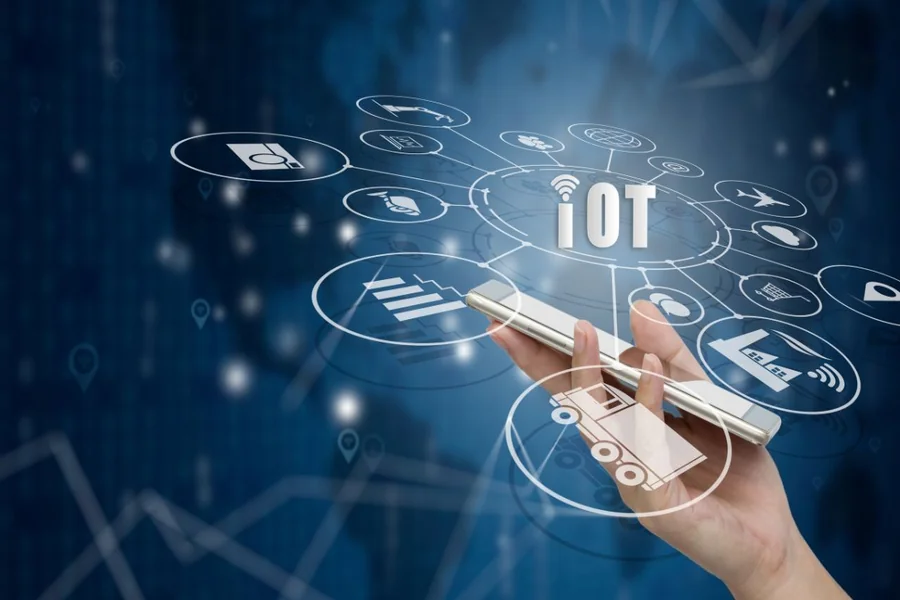
The rapid acceleration of digital transformation has positioned the Internet of Things (IoT) as a foundational technology for smart automation and real-time data intelligence. From connected healthcare devices to advanced industrial monitoring systems, IoT is redefining operational efficiency, customer experience, and decision-making at scale. To build these sophisticated ecosystems, organizations rely on a specialized IoT Software Development Company capable of engineering secure, scalable, and data-driven IoT solutions tailored to diverse business environments.
Understanding IoT Software Development
IoT software development encompasses the design, development, and integration of applications and backend systems that enable physical devices to:
- Collect real-time data from integrated sensors
- Communicate across cloud networks and gateways
- Trigger automated responses based on defined rules
- Provide actionable insights through advanced analytics
This software enables interconnected devices to operate intelligently while maintaining security, performance, and reliability.
Why Enterprises Are Investing in IoT Solutions
Modern enterprises adopt IoT solutions to address critical business requirements such as:
Real-time asset visibility
Predictive maintenance and reduced downtime
Energy management and operational cost reduction
Workforce automation and productivity enhancement
Improved customer engagement and service outcomes
IoT transforms raw data into strategic insights, enabling organizations to operate more proactively.
Core Services Provided by an IoT Software Development Company
1. IoT Platform Development
Custom platforms support device onboarding, monitoring, data aggregation, analytics dashboards, and workflow automation within a unified interface.
2. IoT Mobile & Web Application Development
User-centric applications provide remote control, real-time alerts, performance tracking, and data visualization from any device.
3. Hardware & Sensor Integration
Integration of sensors, controllers, and gateways with existing enterprise systems ensures seamless device interoperability.
4. Embedded Firmware Development
Optimized firmware enhances device responsiveness, data accuracy, and overall security while minimizing power consumption.
5. Edge Computing Implementation
Distributed data processing reduces latency, improves system reliability, and supports mission-critical operations with minimal cloud dependency.
6. Cloud Connectivity & API Integration
Secure integration with AWS IoT, Azure IoT Hub, Google Cloud IoT, and private cloud infrastructures supports high-availability environments.
7. AI-Driven Analytics Solutions
Machine learning models automate data classification, failure prediction, anomaly detection, and performance optimization.
Industries Leveraging IoT for Competitive Advancement
Manufacturing
- Facility automation
- Equipment diagnostics
- Supply chain optimization
Healthcare
- Connected medical devices
- Remote patient monitoring
- Asset tracking for medical equipment
Smart Buildings
- HVAC automation
- Access control systems
- Smart energy management
Transportation & Logistics
- Fleet optimization
- Route planning
- Predictive vehicle maintenance
Agriculture
- Irrigation automation
- Soil and crop monitoring
- Weather-based analytics
Retail
- Automated inventory tracking
- Smart checkout systems
- Customer traffic analysis
IoT adoption across these sectors drives operational visibility and resource optimization.
Core Technologies Utilized in IoT Software Development
- 5G, NB-IoT, LTE-M connectivity
- MQTT, CoAP, AMQP communication protocols
- Microservices and containerized architectures
- Kubernetes orchestration
- AI/ML analytics engines
- Blockchain-based device identity management
These technologies ensure robust, high-performance solutions capable of scaling globally.
Enterprise-Grade Security Measures
Security remains a primary concern when deploying IoT systems. Leading development companies integrate:
End-to-end data encryption
Multi-factor authentication
Role-based access control (RBAC)
Secure device provisioning
Regular firmware and OTA updates
Network traffic monitoring
These measures protect data integrity, prevent unauthorized access, and mitigate cyber risks.
Advantages of Partnering With an IoT Software Development Company
Working with an experienced IoT partner delivers:
Increased operational efficiency
Streamlined asset utilization
Enhanced predictive capabilities
Faster response times
Competitive differentiation
Improved sustainability practices
IoT investments offer measurable ROI through automation and reduced manual dependency.
IoT Software Development Lifecycle
A professional development approach follows a structured methodology:
- Business Requirement Analysis
- Hardware and Architecture Evaluation
- UX-Driven Application Design
- Platform and Backend Development
- Cloud and Edge Network Configuration
- Rigorous Security & Performance Testing
- Deployment, Onboarding, and Training
- Continuous Support and Optimization
This ensures efficient rollout and long-term scalability.
Future Outlook of IoT Development
The future of IoT will be defined by:
5G-accelerated bandwidth
Increased device autonomy through AI
Hybrid multi-cloud data orchestration
Blockchain-secured trust frameworks
Interoperable smart infrastructure
As these technologies mature, IoT ecosystems will become more automated, secure, and predictive.
Conclusion
A professional Internet of Things (IoT) Software Development Company enables organizations to harness connected intelligence, automate critical operations, and unlock new revenue opportunities. By leveraging advanced analytics, edge computing, and secure cloud integration, enterprise-grade IoT solutions deliver sustainable value and support long-term digital growth.
Organizations that invest in IoT today position themselves at the forefront of innovation and operational excellence.