

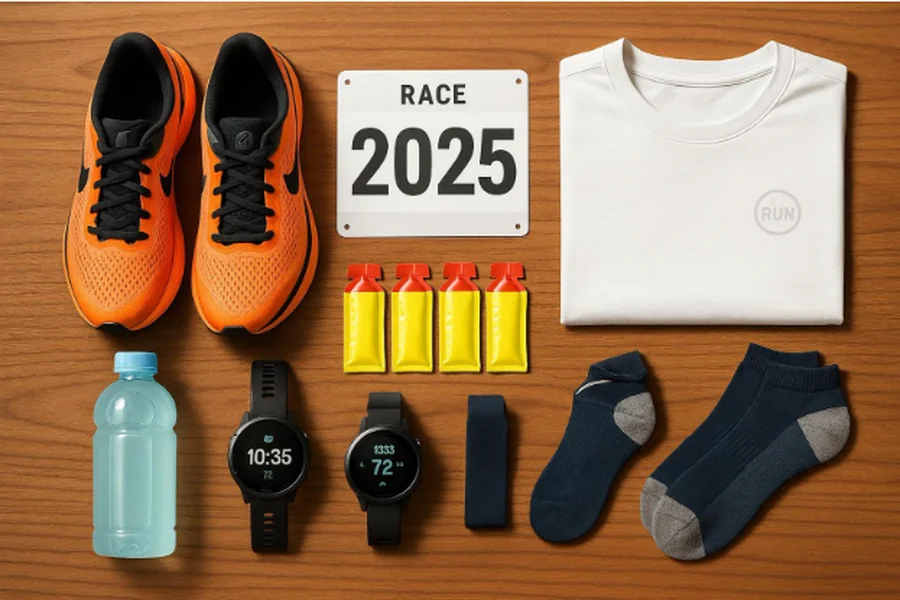
Packing for a race weekend can seem tricky. You want to do more than just grab your shoes – you need good planning, a simple system, and you should try to think ahead about what the weekend might bring. If you pack the right way, you’ll show up at the starting line feeling ready, calm, and able to focus on your event, instead of stressing about missing gear.
This complete guide will help you make packing easy, from choosing your bag to remembering recovery items, so your next race is smooth from start to finish.
No matter if this is your first 5K or you’re a marathon regular, the basics of packing well are the same. It means using space wisely, keeping important items safe, and making sure you can reach what you need quickly.
For example, organizing your race kit helps a lot when you’re moving fast before the race. Plus, having something as simple as a fresh Toyota polo shirt ready for after the race can really lift your spirits once you’ve finished.
What Makes a Good Racing Weekend Bag?
Should You Use a Duffel, Backpack, or Roller Bag?
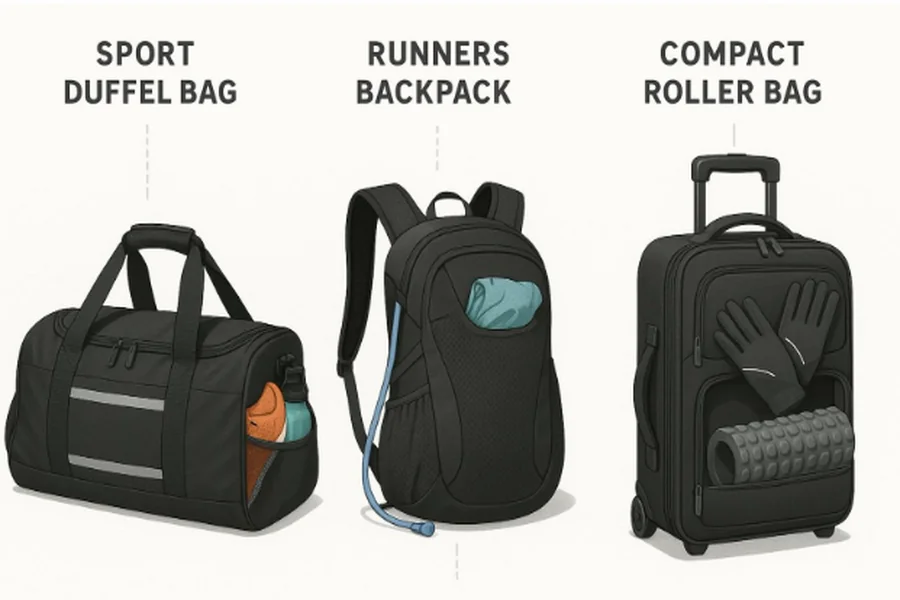
Pick your bag based on your trip length, how much stuff you need, and how you’re getting there. Duffel bags give you one big space, so it’s easy to fit a lot in and see everything – perfect for car trips. Many have special shoe pockets for keeping dirty shoes away from your clean clothes.
Backpacks, especially those made for sports, let you keep your hands free, which is great if you’ll be in airports or on trains. Some even have hard pockets for breakable things or extra bags for sweaty gear.
Roller bags aren’t as common unless you’re flying, but they’re best if you have to carry heavy gear a long way and don’t want to hurt your back or shoulders.
How Big Should Your Bag Be?
For most race weekends (1-3 nights), a medium duffel or a backpack that holds 40-50 liters works well. Try not to bring too much, but make sure you have all your essentials. Bags with different sections help keep things neat, so you don’t end up searching everywhere for one small item.
If you fly, check carry-on rules, and always pack your most important race gear in your carry-on.
The bag size you need also depends on what type of race you’re doing. Short events like a 5K need less, but if you’re running an Ironman or ultra, you’ll need more space and possibly a special bag for transitions between events. It’s usually best to bring a bit of extra space, but not so much that your bag is too heavy or awkward to carry.
How Do Weather and Location Change What You Pack?
The weather at your race and where it’s held are big factors in your packing list. If it’s warm and dry, you’ll pack differently than if it’s cold or wet. Always check the forecast as your race gets close, but be ready for surprises – even places like Florida can get chilly without warning.
It’s smart to cover different weather possibilities. Take a light, packable raincoat even if rain isn’t predicted. Layering is helpful: bring a base layer for warmth, a running shirt, and something for rain or wind.
Add things like gloves and a headband if the mornings might be cold – you can get rid of them on the course if you warm up. On rainy days, a hat or visor keeps rain out of your eyes, and plastic bags help protect electronics and separate wet clothing.
Packing Tips for a Simple Race Weekend
How to Make a Good Packing List
Writing down your packing list is the best way to stop yourself from forgetting anything. Start with a big list of everything you might need, then adjust it for each race based on the place, weather, and kind of event. Don’t just write “running clothes” – break it down to “race day shorts, 2 running shirts, base layer,” and so on.
A lot of race veterans start their lists well before the race weekend. This gives you time to remember things you’d otherwise miss. Some people even write their list on a Ziploc bag for electronics, so they don’t forget items like chargers or adapters. Check your list by thinking about what you’ll wear for the race and what you’ll need for any meetups or warm-up runs.
Which Packing Helpers Make Things Easier?
Packing aids like cubes or small bags can help you keep similar things together. One can be for race clothes, another for things you’ll change into after, and another for things like toiletries. This stops you from having to dig through your whole bag to find one item.
Set aside a small bag for first aid (bandages, blister covers, pain medicine, anti-chafing). Another can hold your nutrition, like gels and electrolyte mixes. Use Ziploc bags to keep your phone dry, hold wet or dirty things, or carry snacks. Stronger bags work well for heavier items, such as extra water bottles.

When Should You Start Packing?
Try not to leave packing until the night before, especially if you need to travel. Begin a few days ahead. This lets you wash clothes you need, look at your shoes, and buy any extras you realize you’re missing. Have your bag mostly finished the day before you travel; then you only need to add your daily toiletries and anything you used just before leaving.
Some frequent racers keep a toiletry bag always ready and a dedicated spot for items like neck pillows or headphones. Find a routine that works for you – that’s the real secret to less stress and feeling more ready.
How to Arrange Your Race Gear
What Clothes Should You Bring for Race Day and After?
Your race outfit should be items you’ve worn before and know are comfortable. Pack your chosen running top, shorts or tights, sports bra, and socks. Bring your race bib, safety pins, and any sort of waist belt if you like. For cold weather, bring a long-sleeve shirt or arm sleeves you can take off once you warm up.
After finishing, you’ll want loose, clean clothes so your body can rest. This could be a dry T-shirt, underwear, fresh socks, a hoodie, and sweatpants. If you’re going to a dinner or award event later, include one nice casual outfit too.
Which Running Gear Do You Really Need?
Besides your outfit, don’t forget your running shoes (and any necessary insoles), GPS watch and charger, heart rate monitor, and any other electronics you use. Be sure to pack headphones, a water bottle or hydration vest if you plan to use your own. Also, take along your usual gels or energy snacks; don’t count on the event’s aid stations for what you need, as trying something different might upset your stomach.
Should You Bring Extra Shoes?
Yes, always! Use your race shoes just for racing and a few key runs, to keep them in good shape. Pack a second pair of comfortable (already broken-in) running shoes for walkabouts, shake-out runs, or wearing before and after your race.
If rain is possible, think about bringing shoes you don’t mind getting wet as well. Don’t forget everyday shoes or sandals for when you’re done running.
How Do You Keep Dirty and Clean Gear Apart?
Keeping dirty and clean things separate is important, especially for weekend trips. Use plastic bags or sections in your bag just for wet or dirty clothes. After the race, these keep everything else from smelling. Some duffels have special mesh pockets for shoes, which is really helpful. When you get home, it’s easy to grab dirty items and throw them in the wash.
Important Race Day Items
What Should Go in a Race Kit Bag?
Your race kit bag is a small pouch or a part of your main bag for items you need right before or after the race. This includes your race number, pins, timer chip, anti-chafing balm, sunscreen, any medicines, a small towel, and extra socks. For triathletes, add swim cap, goggles, and anything else for transitions.
Many runners pack a little cash for emergencies and a copy of their registration. This helps you avoid panic and lets you focus just on racing.
What Nutrition and Hydration Should You Prepare?
Never count only on the food or drinks the race gives you unless you’ve tried them before. Pack your favorite gels, chews, bars, or other snacks to cover the whole race. Bring electrolyte tabs or powder if you use them. If you have a standard breakfast (like oats or a bar), pack that too, so you don’t upset your stomach. Remember your water bottle or hydration pack as well.
Bring something for recovery, like a protein bar or a small snack, so you can refuel as soon as the race ends. Sticking to your plan helps your body perform its best.
Does It Make Sense to Bring Backups?
For essential gear, it’s smart to have spares. While you don’t need two of everything, back up key items like race socks, headphones, or your glasses (if you wear them). If you’re flying, always carry race shoes, race clothes, and special equipment with you – losing them to missing luggage would be a disaster.
How to Avoid Problems Like Chafing, Blisters, and Weather Issues
Stopping trouble before it starts is the way to go. To prevent chafing and blisters, use anti-chafe cream or balm on places where things might rub, like thighs, underarms, or feet. Many people put balm on feet and anywhere their gear or electronics touch, especially if they expect rain. Good quality socks that draw sweat away from the skin help a lot.
If the weather may change, layer your clothes. Bring a light, wind and rain-resistant jacket. For rain, a plastic garbage bag and shower cap can keep you dry while waiting to start. Always use sunscreen, even if cloudy. A hat or visor will help with both sun and rain.
Race Day Tech and Safety Gear
What Electronics Should You Bring?
You probably use more electronics during race weekend than ever before. On your list should be your GPS watch and its charger, your phone and charger, headphones and their charger (if needed), and a portable battery to charge on the go. Some people even write a checklist on a Ziploc to keep all their gadgets together.
If you’re going to another country, take a travel adaptor. Keep all your electronics together in a pouch so you won’t lose them. Don’t count on borrowing a charger at your hotel-bring your own.
What Safety Gear Should You Pack?
Always think of safety. Besides catching help from race support, bring your own ID card with emergency contacts, especially if your bib doesn’t have your info. If you’ll be running in dim light, reflective gear or a blinking light helps people see you. When training alone, bring a simple personal alarm, and always let someone know your planned route.
Sunscreen is a must for skin safety. If you have allergies or medical conditions, keep your medicine nearby and wear a medical tag if needed.
Do You Need a First Aid Kit?
Yes-you should always have a small first aid kit with you. While race medics will be there, you want to be able to handle small scrapes or pain fast. Here’s what to include:
- Adhesive bandages (several sizes)
- Blister pads
- Antiseptic wipes
- Pain relief pills (like Advil)
- Anti-inflammatory cream
- Athletic tape
- Sterile pads
- Anti-chafing balm
A simple kit like this handles blisters, aches, and scrapes, so you won’t miss out on race weekend fun.
What to Bring for Post-Race Recovery
What’s Good to Have for Recovery?
After the event, what you pack can make all the difference in how you feel. Bring compression socks or sleeves to help with swelling and muscle soreness. A handheld foam roller or massage ball will work out any tight spots. If driving, toss in a reusable ice pack for sore joints.
Have soft, comfortable clothes to change into: a loose t-shirt, sweatpants, hoodie, and easy-to-wear shoes or flip-flops. Don’t forget small comfort items, like a pillow for car trips or something to read to keep you entertained during downtime.
How Can You Make Travel Home More Comfortable?
After a long race, the trip home can be rough if you’re not prepared. Wear comfy clothes, and for long drives, a small neck pillow is nice. Plan to take breaks and stretch. Keep water and snacks ready to avoid feeling tired or hungry.
For flights, noise-canceling headphones and a travel pillow help you rest. If you expect swelling, use your compression socks on the plane. Keep dirty clothes in a separate plastic bag to contain odors for the trip home.
Packing Mistakes to Avoid
What Do People Most Often Forget?
Even regular travelers forget things sometimes. Most common misses are phone chargers, headphones, medication, race bibs or pins, special snacks, and anti-chafing cream. Sometimes it’s tiny things, like hair bands or your favourite socks, that cause big problems.
To avoid this, make a checklist and picture yourself going through your race day step by step, so you remember every item you’ll actually use.
How to Avoid Overpacking but Still Bring All You Need
Bringing too much can make things hard to manage. Be tough on your packing: ask if you really need each thing. Skip “maybe” items you can easily buy or probably won’t use and stick with items that serve more than one purpose. For instance, one good jacket is better than three different ones for different weather.
But don’t cut out key gear just to save space. Start with essentials for the race, then recovery, then comfort. Packing cubes help you see how much you’re bringing. If you can’t zip your bag, take another look and remove any extras. Remember, most hotels offer basics, and most races have gear for sale if you forget something less important.
Frequently Asked Questions about Packing for a Racing Weekend
How Should You Pack for an Ultramarathon or Triathlon?
These longer races mean you need to adjust your packing. For ultras, you’ll need more nutrition and a bigger hydration pack, plus gear for tough trails and weather changes. This could be a headlamp, extra warm layers, a map or GPS, and a larger first aid kit. Some races allow drop bags at aid stations, so plan a mini-list for those as well.
For a triathlon, pack gear for all three events: swim (wetsuit, goggles, cap), bike (cycling outfit, helmet, shoes), and run (running shoes, race clothes). Many people use a transition bag with sections for each stage. Carry your key items with you if flying, to avoid disaster if bags get lost.
What are the Top Tips for Flying to a Race?
Flying can make things tricky. Always carry your race shoes and outfit on the plane. These are items you can’t easily replace if your checked bag goes missing. Take all custom or important gear in your carry-on. You can save space by wearing bulky shoes or jackets on the flight.
For luggage checks, follow rules about liquids and keep sharp items in checked bags. If you have big sports gear (like a bike), arrive early for additional airport procedures. Drink plenty on the flight to stay hydrated, which helps your performance later.
Can You Share Packing with a Teammate?
Sharing some packing with a teammate can save space and help both of you, especially for things like first aid, toiletries, or snacks. It works best if you plan ahead so you don’t forget something or bring too much.
However, don’t share personal gear like running shoes or clothing, since these need to fit just right. Share things that anyone can use, and keep your personal race must-haves to yourself.