
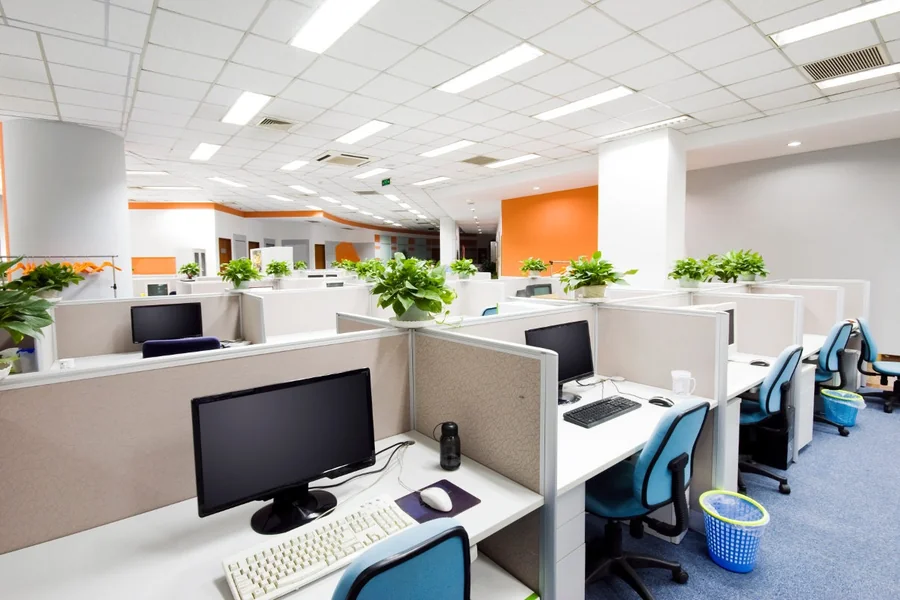
Designing an efficient and comfortable office layout is a delicate balance between aesthetics, functionality, and the unique needs of your team. Among the many elements that shape the modern workplace, office cubicles play a central role. They define personal space, influence workflow, and contribute to the overall atmosphere of the office. Choosing the right sliding cubicle door for your workspace layout is not just a matter of picking a style—it’s about creating an environment that supports productivity, collaboration, and employee well-being.
Understanding Your Office Environment
Before selecting cubicles, it’s essential to assess the nature of your workspace. Consider the size of the office, the number of employees, and the type of work being performed. A tech startup with a collaborative culture may require open cubicles that encourage interaction, while a law firm handling confidential matters might benefit from enclosed designs that offer privacy. The physical dimensions of the office will also dictate how many cubicles can be accommodated and how they should be arranged to avoid overcrowding or wasted space.
Lighting, acoustics, and traffic flow are additional factors to evaluate. Natural light can enhance mood and energy, so placing cubicles near windows may be beneficial. However, glare and heat should be managed with appropriate window treatments. Noise levels can affect concentration, so cubicles with sound-absorbing materials or strategic placement away from high-traffic areas can help maintain a quiet environment. The layout should allow for easy movement, with clear pathways that connect workstations to common areas like meeting rooms, break zones, and restrooms.
Identifying Employee Needs
Every team is different, and understanding the specific needs of your employees is crucial when choosing cubicles. Some roles require deep concentration and minimal distractions, making high-walled or semi-enclosed cubicles ideal. Others thrive on collaboration and quick communication, which calls for low-walled or open designs. Consider how often employees need to interact, how much storage they require, and whether they use specialized equipment that demands extra space.
Ergonomics should also be a priority. Cubicles should accommodate adjustable chairs, monitor stands, and keyboard trays to support healthy posture and reduce strain. Personalization options, such as pinboards, shelves, and drawer units, can help employees feel more at home and organized. When people have a workspace that suits their tasks and preferences, they are more likely to be engaged and productive.
Exploring Cubicle Styles
Office cubicles come in a variety of styles, each with its own advantages. Traditional cubicles feature high panels that create a sense of privacy and separation. These are well-suited for roles that involve sensitive information or require uninterrupted focus. Modern cubicles often incorporate lower panels or glass dividers to maintain openness while still defining individual spaces. This style promotes visibility and communication, making it ideal for creative or collaborative teams.
Bench-style workstations are another option, consisting of long tables with minimal dividers. These layouts foster teamwork and flexibility but may lack personal space and noise control. Modular cubicles offer the best of both worlds, with components that can be rearranged to suit changing needs. They allow companies to adapt their layout as teams grow or projects evolve, providing long-term value and versatility.
Considering Aesthetics and Branding
The appearance of your cubicles should align with your company’s brand and culture. Colors, materials, and finishes can influence mood and convey professionalism. Neutral tones create a calm and timeless look, while bold accents can energize the space and reflect creativity. Wood finishes add warmth, metal frames suggest modernity, and fabric panels offer texture and acoustic benefits.
Branding elements, such as logos, mission statements, or themed decor, can be subtly integrated into cubicle design. This reinforces identity and fosters a sense of belonging among employees. A cohesive aesthetic across the office contributes to a polished and inviting atmosphere, which can impress clients and boost morale.
Planning for Growth and Change
Workspaces are not static, and your cubicle layout should be able to evolve with your organization. Anticipate future changes in team size, departmental structure, or workflow. Choosing cubicles that are easy to reconfigure or expand can save time and money down the line. Modular systems, movable panels, and standardized components make it easier to adapt without starting from scratch.
Technology integration is another consideration. Ensure that cubicles have adequate power outlets, cable management systems, and space for multiple devices. As remote work and digital collaboration become more common, workstations should support video conferencing, dual monitors, and other tech tools. A forward-thinking design accommodates these needs while maintaining a clean and organized appearance.
Budgeting Wisely
Cost is always a factor, but it should be weighed against quality and functionality. Investing in durable, ergonomic cubicles can reduce maintenance costs and improve employee health. While budget-friendly options may be tempting, they often lack the features and longevity needed for a professional environment. Consider the total cost of ownership, including installation, customization, and future upgrades.
Working with reputable suppliers and designers can help you find the best value for your investment. They can provide insights into materials, layouts, and trends that align with your goals. A well-planned purchase ensures that your cubicles enhance the workspace rather than hinder it.
Conclusion: Designing with Intention
Choosing the right office cubicle for your workspace layout is a strategic decision that affects every aspect of the workday. It’s about more than partitions—it’s about creating a space where people can thrive. By understanding your environment, identifying employee needs, exploring styles, and planning for the future, you can design a layout that supports collaboration, workflow, and well-being.
A thoughtfully designed cubicle layout reflects your company’s values and sets the stage for success. It transforms the office from a place of routine into a hub of innovation and connection. When every element is chosen with intention, the workspace becomes a powerful tool for growth and engagement. Discover innovative workspace solutions tailored to your business needs at corporateofficeint.com—where design meets functionality.