

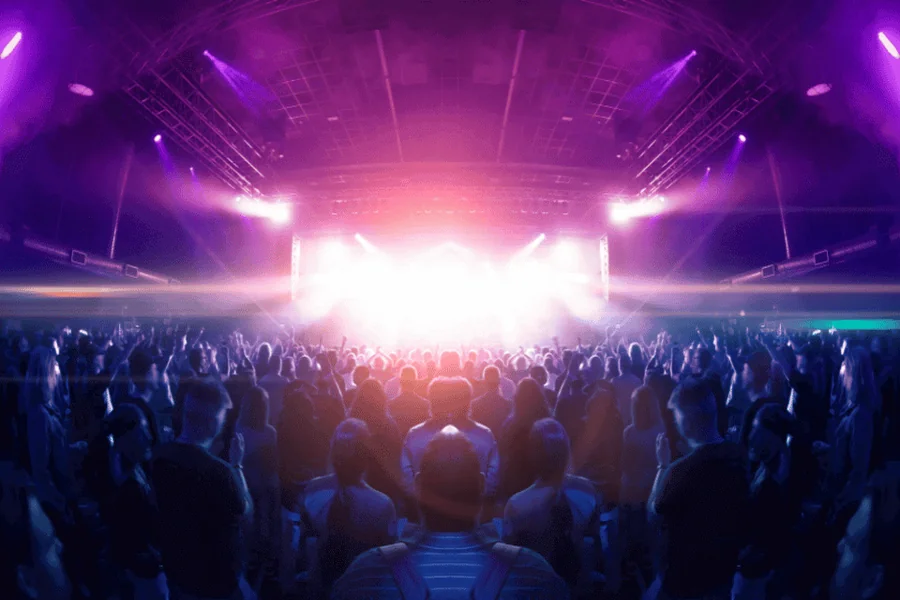
Audiences have always been a key element of entertainment, and today’s fan communities can be even more powerful than ever. Today, the power of fan communities in the field of entertainment is evident in film, television, music, videogames, sports, and social media. Fans are no longer passive consumers that just watch shows or listen to music. They’re actively influencing trends, promoting artists, making creative decisions and creating online movements that can shape entire entertainment industries.
Digital communication has helped to make it easier for fans to communicate around the world. People with common interests can connect and communicate with each other in real-time anywhere, whether it be on social media, streaming platforms, online forums, or at fan conventions. Celebrities, franchises, games and entertainment brands are what form strong emotional bonds in these communities.
Today’s entertainment businesses know that a loyal fan base is the key to their longevity. A loyal fan base can sustain a movie franchise for decades, enable the reach of music artists to the worldwide market and bring the dead to life for a canceled TV show via a campaign launched online. The fan culture has become one of the most potent forces in the digital entertainment world just in a few years. Movie fans searching for online entertainment ideas often check bored flix first.
How fan communities became more influential
While fan communities have long been in existence, their power skyrocketed with the advent of digital technology. Historically, fans have primarily found each other in magazines, local fan clubs or conventions. Nowadays, virtual locations enable millions of fans talk immediately and arrange around common pursuits.
One of the greatest contributors to the rise of fan culture all over the world is social media. Fans can interact with their creators live on platforms such as X, Instagram, Reddit, TikTok, Discord and YouTube, where they can post reactions, make content, talk about theories, and support creators.
Communities were also strengthened through streaming platforms. Users can now stream films, tv shows, eSports matches, sports, and music content from all around the world. The accessibility helps to build bigger foreign audiences than ever before.
Content creation is another significant aspect. Fans aren’t just consumers of entertainment anymore, they’re creators of entertainment, via memes, fan art, edits, videos, podcasts, and online conversations. This user generated content helps to keep entertainment topics fresh even without the releases.
Fans have come to mean more to entertainment companies than ever before, too. Today, a lot of studios, music labels and gaming companies are using online channels to reach the fans directly to strengthen the relationship with them and keep them loyal.
With technology, accessibility, and social interaction, fan communities became well-organized and a powerful digital force.
Social Media and the Growth of Fandom Culture
Social media has transformed the way that fans engage with entertainment. Pre-social media there was not much opportunity to follow celebrities and creators. Now, fans can directly interact with the actors, musicians, streamers, influencers through comments, live streams and online events.
Hashtags and trending topics are great ways to get fan communities to quickly gather when it comes to entertainment. Fan can do anything in minutes: support album releases, promote movie premieres, celebrate some celebrity’s birthday, or respond to controversies.
Viral content is a very important part of fandom culture. Fans create videos, memes, and edits which can get millions of views and spread entertainment topics far and wide. Fan-made content can enter into the mainstream of Internet culture in many instances.
One of the best examples of organized fandoms online is k-pop fandoms. Audiences actively watch music videos, vote in music award shows, promote artists on social media, and organize social media events to boost the exposure of the artists.
Social websites are also a significant part of the gaming world. Esports fans, streamers, and multiplayer games have a space of their own to discuss updates, strategies, and live events! These communities tend to develop very vibrant online communities that are active on a daily basis.
Social media dynamism and reach is even more global, interactive, and influential than ever before.
Fan Communities and Movie Franchises
The fan base is the key to the success of a movie franchise. Fans build anticipation for films, dissect the previews, explain theories, and start Internet conversations that fuel the buzz around the franchise.
The global superheroes, space gods, and wizards have a huge fan base and they actively engage in this on social media and by buying their merchandise. These communities make it possible for studios to remain popular for a number of many years.
Fans also make more than ever before influence on creative decisions. Reactions online can influence marketing strategies, cause castaing and even future storylines. Fan responses are typically closely watched at studios to learn about what people expect.
Fan conventions like Comic-Con offer fans a chance to interact directly with actors, writers, and filmmakers. These are events to celebrate fandom culture and gain emotional bonding between franchise and audience.
The streaming service also helped engage fans, as it had made older movies and series easily accessible. New people can enter into old fandoms and be able to get involved on the internet in conversations about old franchises.
Fans have even saved cancelled TV shows or even swayed the decision of studios to continue certain projects in some instances. It’s an illustration of the power of organized fan communities in directly influencing decisions in the entertainment industry.
The importance of fans in music and celebrity culture
The music industry depends heavily on the loyalty of its fans to get the promotion it needs and to sustain itself in the long run. Music fans listen to songs over and over again, upload music videos to a web platform, buy merchandise and attend concerts for their favourite artists.
In the streaming age, digital fan communities have played a significant role. Sometimes there is more to album success than just good music; it also relies on the amount of fans who are promoting the album online.
This influence is evident in the culture of k-pop fandom. Fans organize streaming goals, vote in campaigns and trend social media to get artists to fame internationally. This trend is also apparent in the global community of both the pop and independent, and hip-hop music.
Fans’ interaction has also had an impact on the nature of celebrity culture. Fans are now looking for direct communication via livestreams, posts and online updates. This helps to build better connections between celebrities and viewers.
But fandom culture can put a strain on public personalities at times. The pressure of fans and criticism on celebrities can have a negative impact on their lives.
Nevertheless, Fan Loyalty is one of the most valuable assets that the music and entertainment industries can have. If they have strong fan bases, then they are bound to stay popular.
Gaming, Esports, and Online Fan Engagement
Gaming communities are one of the most active and enthusiastic fan base in the modern entertainment. They ushered in new types of fan interaction through multiplayer games, livestreaming platforms, and esports competitions.
Professional gaming tournaments and live streaming are popular, and fans follow their favorite players and engage in live chats with them. Websites such as Twitch and YouTube Gaming enable viewers to communicate directly with content creators in real-time.
Esports fan communities have developed into global entertainment networks! Millions of fans watch the major tournaments, and they are often found online talking about strategies, highlights and player performances.
Fandoms of games are also big contributors to content creation. Gaming communities stay engaged even between game updates through fan art, memes, gameplay videos and tutorials, as well as custom modification.
One key element is the participation of community members. Over time, many online games foster teamwork, communication and social interaction, further enhancing fan-to-fan connections.
There are growing examples of developers taking fan input into the development process via feedback systems, beta testing, and community discussion. This not only enhances the gameplay experience for players, but also fosters greater loyalty and engagement.
As online entertainment evolves into a more interactive and community-based experience, the relationship between gaming and fan culture grows stronger.
What are the challenges and criticisms of fan communities?What are some challenges and criticisms of fan communities?
Fan communities have both good and bad aspects and are subject to criticism and challenges. A typical problem is the toxic behaviour in online fandoms. It can lead to negative experiences for other fans and public figures sometimes through arguments, harassment and extreme loyalty.
When a conflict breaks out between fan groups on social media, it can be extremely heated and particularly so during an entertainment competition, awards ceremony, or a celebrity controversy. The improper conduct can harm the online community and lead to unnecessary hostility.
Another difficulty is privacy issues
Fandom spaces aren’t immune to the spread of misinformation either. Before it’s confirmed, rumors, fake leaks, and misleading content have a tendency to spread far and wide.
Another complaint is related to creators pressure. With high expectations from fans, sometimes entertainment companies and artists feel compelled to make certain decisions that have an impact on creativity and storytelling.
While these are all valid concerns, most fanspaces are still positive, created around common interests, creativity, and emotion. It’s not just fandoms that hold charity events, fundraising campaigns, and social support networks — there’s real-world impact here, too.
Final Thought
The influence of fan communities in entertainment is an influence that is still progressing in the present day and would have been unheard of only a few decades ago. Fans are no longer powerless viewers as they now drive trends, market creators, create viral content and engage in global entertainment conversations.
In the realm of fandom culture, social media, streaming, gaming forums, and digital communication reshaped the landscape of fandom to become a significant presence in movies boredflix, music, esports, and celebrity entertainment. These fan bases are so loyal that they are increasingly important for success and longevity of entertainment brands.
While there are issues such as toxicity and misinformation, fan communities also foster creativity, connection, and global engagement, which can help to enrich the broader entertainment landscape. With the advances in technology, the impact of fans on the future of digital entertainment will only increase.
FAQs
What is The Power of Fan Communities in Entertainment?
It refers to the strong influence fans have on entertainment trends, media success, online discussions, and audience engagement.
Why are fan communities important in entertainment?
Fan communities help promote content, support creators, increase visibility, and maintain long-term audience loyalty.
How has social media changed fandom culture?
Social media allows fans to connect globally, share content instantly, organize campaigns, and communicate directly with celebrities.
Can fan communities influence movie franchises?
Yes, fan reactions and online discussions can affect marketing strategies, storytelling decisions, and franchise popularity.
Why are music fandoms so powerful?
Music fandoms actively stream songs, promote artists online, attend concerts, and organize campaigns to support favorite performers.
How do gaming communities contribute to entertainment?
Gaming communities create content, support esports events, share gameplay experiences, and maintain active online engagement.
What are some problems related to fan communities?
Problems include toxic behavior, misinformation, online harassment, and unrealistic pressure placed on creators and celebrities.
Will fan communities remain important in the future?
Yes, fan communities will likely become even more influential as digital entertainment and online interaction continue growing worldwide.