
Influencer campaigns boost social media engagement by closing the gap between a brand’s formal marketing and a consumer’s wish for honest, friend-like recommendations. By using the trust and relationship that creators already have with their followers, these campaigns turn passive scrolling into active interaction. This leads to far higher levels of likes, comments, and shares than standard ads. Because influencers show products as part of their everyday lives, the content feels familiar instead of disruptive, and audiences are more likely to respond and talk back to the brand.
Today’s digital space is fragmented. Brands can no longer rely only on traditional journalists to get noticed. Many now work with a specialist PR Agency to deal with creators, bloggers, and online trendsetters. These influencers act like a modern “person on the street,” sharing personal experiences through video and audio that connect strongly with varied and active online communities.
What Is an Influencer Campaign?
An influencer campaign is a partnership between a brand and individuals who are trusted in a particular niche. Unlike old-style celebrity endorsements, influencer marketing is based on “social proof” from creators who have a loyal audience. These people use their own personal brand and online reach to recommend a company’s products or services in a way that fits naturally with each platform, such as TikTok, Instagram, or YouTube.
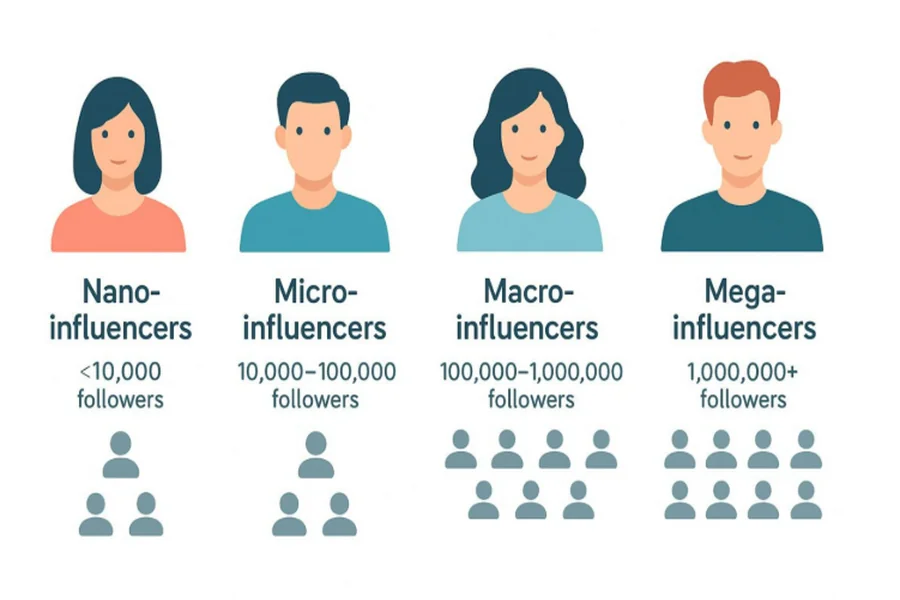
These campaigns are flexible rather than uniform. They can go from very local efforts with nano-influencers who have under 10,000 followers to large, global pushes with mega-influencers who have millions. The aim is to go beyond a simple sales message and bring the influencer into a wider story, so the promotion feels natural in the follower’s feed.
What Are the Key Elements of a Successful Influencer Campaign?
Success depends on more than a large follower count; it needs planning and a good fit. The most important factor is choosing the right influencer whose values, audience profile, and content style match the brand’s goals. For example, a micro-influencer with a highly engaged group of 50,000 followers often delivers more focused exposure and better ROI than a famous personality whose broad audience may be less interested in specific product tips.
Another key factor is giving creative freedom. Brands should share a brief with main messages and required hashtags, but being too strict can backfire. Audiences quickly notice fake or forced endorsements. When influencers can talk about the brand in their own style, the content keeps the honesty needed to build trust. Clear goals and measurable Key Performance Indicators (KPIs) also help both the brand and creator work toward the same targets, such as raising awareness or driving sales and sign-ups.
How Do Influencer Campaigns Drive Social Media Engagement?
Influencer campaigns boost engagement because they rely on personal connections instead of glossy ads. As people grow more doubtful of direct brand messages, they turn to voices they already trust. According to the 2025 Edelman Trust Barometer, 58 percent of respondents trust influencers to share accurate information about a brand, putting them on the same level as journalists and CEOs.
This trust leads to action. When an influencer posts, followers do not just watch; they respond. Social media’s conversational nature lets influencers ask questions, run polls, and host live sessions that invite followers to join in. This shift from simple viewing to active discussion is what drives strong engagement rates.
Influencer Endorsements and Audience Trust
Trust is the core of influencer marketing. People like to buy from those they see as peers, role models, or friends. Nielsen data shows that while only 19% of Americans buy based on celebrity endorsements, 42% ask others for advice when deciding what to purchase. Because of this relatability, influencers can shape opinions and influence buying choices more effectively than standard ads.
When an influencer truly likes a product, the audience can feel that honesty. Being open about paid partnerships, by using labels like #ad or #sponsored, actually increases credibility. It shows the influencer is honest with their followers, building long-term loyalty and making their support matter more over time.
Role of Authentic Content in Boosting Engagement
Authenticity is not just a trendy word; it is a basic need. Research shows that 59% of consumers find influencers who do not feel genuine to be “annoying.” To raise engagement, content should inform, entertain, or solve a problem within the influencer’s usual type of posts. When a product appears naturally in a creator’s normal routine, it feels relevant instead of pushy.
This natural style also works well with social media algorithms. Most platforms boost posts that get strong engagement by showing them to more users. Because honest content generates more likes, comments, and saves, it is more likely to land on “Explore” pages or in the feeds of people who do not yet follow the brand, creating a wider ripple of visibility.
Impact of User-Generated Content and Social Proof
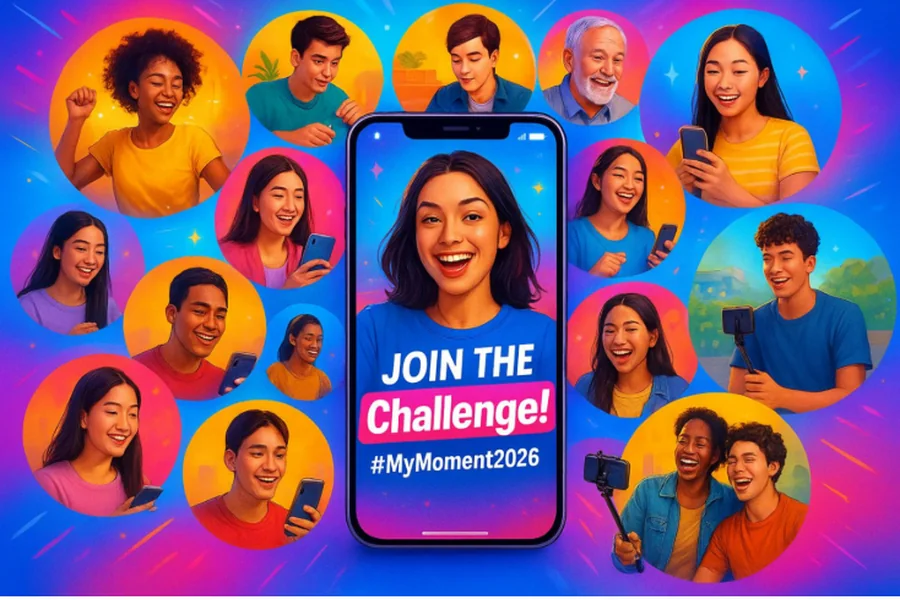
Influencer campaigns often trigger waves of User-Generated Content (UGC), which act as strong social proof. A well-known case is e.l.f. Cosmetics and its “Eye, Lips, Face” TikTok campaign, which used an original song and asked users to make their own videos. It led to over 5 million user videos and billions of views. Another example is Aldo’s #StepIntoLove campaign, which invited Gen Z shoppers to share dancing videos and saw huge success.
When people see others using and enjoying a product, their trust in the brand grows. This group activity not only widens the campaign’s reach but also builds a library of content that brands can reuse on their own channels to show real-life results and reliability.
Expanding Reach Through Influencers’ Networks
One major benefit of these campaigns is access to new audiences. Influencers grow communities across many platforms, such as YouTube (used by 85% of U.S. adults), Facebook (69%), and Instagram (51%). By partnering with a creator, a brand can quickly increase its visibility without slowly building its own follower base from the ground up.
The shareable nature of social media also helps content spread beyond the influencer’s own followers. When someone shares an influencer’s post with their own circle, the brand message reaches fresh groups in a way that feels like a personal tip from a friend, boosting natural buzz.
Benefits of Influencer Campaigns for Brands
Influencer campaigns do more than move short-term numbers; they also support a stronger digital presence. They keep a brand “content-rich,” supplying a steady flow of quality posts that keep social feeds active without putting too much pressure on internal teams. This regular activity is key to staying visible in a crowded space where people see hundreds of ads each day.
Influencers also give brands direct access to feedback. Because creators have ongoing two-way conversations with followers, they can share clear insights into how a campaign is landing. Followers often quickly say what they like and what needs work, giving brands useful information to adjust products and marketing plans.
Increasing Brand Awareness and Visibility
Influencer support puts products in front of new groups, raising recognition and interest. For example, Winnebago worked with influencers like “Roll with Cole & Charisma” to launch its line of Accessibility Enhanced RVs. This focused strategy helped the brand reach a specific, often overlooked group of consumers that was otherwise hard to contact, resulting in millions of views and strong sales leads.
High visibility on TikTok, Instagram, and similar platforms often comes from hashtags that influencers start or push into popularity. These tags make content easier to find, so when someone looks up a topic, the brand’s collaboration appears near the top. This constant presence in search results helps drive long-term growth.
Improving Engagement Rates and Interactions
Engagement rates-total interactions divided by follower count-are usually higher for influencers than for brand accounts. Influencers know what their audiences like and design content that sparks action. Whether it is a swipe-up link, a discount code, or a prompt to tag a friend, these calls to action build real connections with potential buyers.
The type of interaction also matters. Likes show quick approval, but “saves” and “bookmarks” signal that the content is useful enough to revisit later. High save rates point to deeper engagement, showing that the influencer’s content has moved the viewer from casual interest to serious thought about the brand.
Strengthening Brand Credibility and Authority
Influencers often act as trusted experts. When a respected tech educator recommends cybersecurity software, that message carries much more weight than a generic banner ad. This transfer of trust helps a business win over a careful audience. By linking their brand to respected voices, companies can reinforce their own status in a niche.
This approach also supports SEO. Good backlinks from influencer posts and repeated brand mentions across many online spaces can help a website rank higher in search results. As search engines and AI tools place more value on social content as a sign of credibility, influencer work has become a key part of any solid SEO plan.
How to Build an Effective Influencer Campaign
Building an effective campaign starts long before the first post. It begins with a clear idea of your goals—such as raising brand awareness, driving site visits, or boosting direct sales. Brands should treat influencers as partners, not just channels, and build ongoing relationships that let creators weave the brand into their lives over time.
Success also depends on openness and following the rules. To comply with FTC guidelines, influencers must clearly label paid partnerships. This clarity not only prevents legal trouble but also protects the brand image by showing respect for the audience. For more insights on professional communication strategies, visit https://all4comms.com/ to learn how to manage these relationships effectively.
Setting Clear Goals and Engagement KPIs
Before going live, brands should define clear, measurable goals. Common KPIs include reach, impressions, engagement rate (likes, comments, shares), and conversion results such as sales, downloads, or newsletter sign-ups. Having these targets from the start makes it easier to track progress and adjust during the campaign to get better results.
Brands should also look past surface-level numbers. A million followers do not help if engagement is weak or if followers are outside the target market. Smart brands focus on how well the audience matches their ideal customer and on the quality of interactions, often finding that a mix of smaller but highly active creators works best.
Crafting Engaging and Authentic Content Briefs
A useful brief sets clear boundaries-campaign goals, talking points, and basic visual rules-without controlling every detail. It should list required hashtags and tracking links but leave room for the influencer to decide how to share the message with their community. This balance keeps the content on brand while still feeling like a natural part of the creator’s feed.
Giving influencers early access to products or inside information can help them build a stronger story. When creators feel like valued partners, they are more likely to put extra effort into their posts, which often leads to more honest and effective promotions.
Monitoring, Analyzing, and Improving Campaign Results
The job does not end after posting. Brands should use social analytics tools to watch performance as it happens. This helps marketers see which posts work well and which may need a new angle. Tracking links and unique promo codes reveal which influencers drive the most clicks and conversions.
Improvement is ongoing. By reviewing data after each campaign, brands can spot surprising patterns about their audience or products. These lessons should guide future plans, helping the company boost ROI over time and build stronger ties with its ideal customers.
Measuring Social Media Engagement from Influencer Campaigns
Measuring success in influencer marketing needs both numbers and context. The statistics tell only part of the story; the tone of comments and the depth of conversations show the real impact. Brands should look at what happens after people engage-for example, whether a like leads to a site visit or a comment leads to a sales inquiry.
Platforms such as Instagram, TikTok, and YouTube provide built-in analytics, but many brands also use third-party dashboards for a fuller picture. These tools track engagement trends over longer periods, helping teams see the difference between a short spike of interest and a lasting rise in loyalty.
Key Engagement Metrics: Likes, Shares, Saves, Comments, and Follows
Each engagement type offers different insight. Likes and reactions show quick approval. Shares and retweets are even more valuable because they spread the content to new networks and signal real support. Comments offer rich qualitative feedback, showing opinions and encouraging conversation.
Saves and bookmarks, though often overlooked, are strong signs of value. When someone saves a post, they see it as useful enough to keep. Growth in followers on the brand’s own accounts during a campaign shows that the influencer has successfully passed some of their audience’s interest on to the brand.
Using Social Analytics Tools to Track Performance
To understand ROI clearly, brands should use strong tracking tools. Unique promo codes are useful for tying sales to specific influencers, while tracking links reveal how much web traffic each creator brings. Analytics platforms can also spot “influencer fraud,” such as accounts with many followers but very low engagement.
Real-time tools like polls and surveys in stories and live streams also help. They turn viewers into active participants and give instant feedback on product appeal or how clear the message is. Marketers can then adjust their approach mid-campaign to get better results.
Turning Engagement Data into Useful Actions
The main reason to measure engagement is to guide future choices. If a certain content type-such as short how-to videos-regularly beats static images, the brand should shift more resources to that format. If an influencer’s audience loves a specific product feature, that feature should appear more often in upcoming campaigns.
Data also helps judge the long-term value of each influencer partnership. Creators who regularly deliver strong engagement and positive sentiment are good candidates for ongoing deals, which often perform better than one-off posts because followers grow more familiar with the brand over time.
Current Trends Shaping Influencer Campaigns
Influencer marketing keeps changing as new tools appear and customer tastes shift. One major shift is the move toward smaller, more focused creators. Marketers are working more with nano- and micro-influencers because their followers trust them more, which leads to higher engagement and a stronger sense of real connection.
Another growing area is Artificial Intelligence (AI) and virtual influencers. These computer-made characters give brands full control over messaging and consistency and help avoid some human-related risks, while still talking to audiences in new ways. Though still a smaller part of the market, this approach shows how brand-creator relationships keep changing in the digital age.
Rise of Video Content and Live Streaming
Video is now the format many consumers prefer, with TikTok, Instagram Reels, and YouTube Shorts leading the way. TikTok in particular sees very high engagement, driven by a younger, active audience. Influencers use these platforms for tutorials, unboxing clips, and behind-the-scenes looks that keep viewers interested.
Live streaming is also growing, offering real-time contact that standard posts cannot match. During a live session, an influencer can answer questions on the spot, show how a product works, and even run live shopping events. This growing “live commerce” trend blends social media and e-commerce, letting people buy without leaving the app and increasing the immediate effect of influencer campaigns.
Key Takeaways: Influencer Campaigns and Social Media Engagement
Looking ahead, adding influencer campaigns into wider marketing plans is no longer a nice extra; it has become expected. Beyond quick boosts in likes and shares, these partnerships are turning into long-term brand ambassadorships. When an influencer includes a brand in their daily life over months or years, the message becomes steady and familiar to followers. This ongoing presence is far better at building lasting loyalty than occasional, one-off ads.
The growth of specialist niches also means that even B2B companies and utilities-areas that once stayed away from social media-are now seeing value in influencer work. Whether it is an expert in green energy or a connector in logistics, there is a creator for nearly every audience. Brands that find these niche leaders and build honest, original projects with them will be best placed to reach and keep their customers in the years ahead. In a crowded and often skeptical online space, a real human voice remains one of the strongest tools for meaningful engagement.