

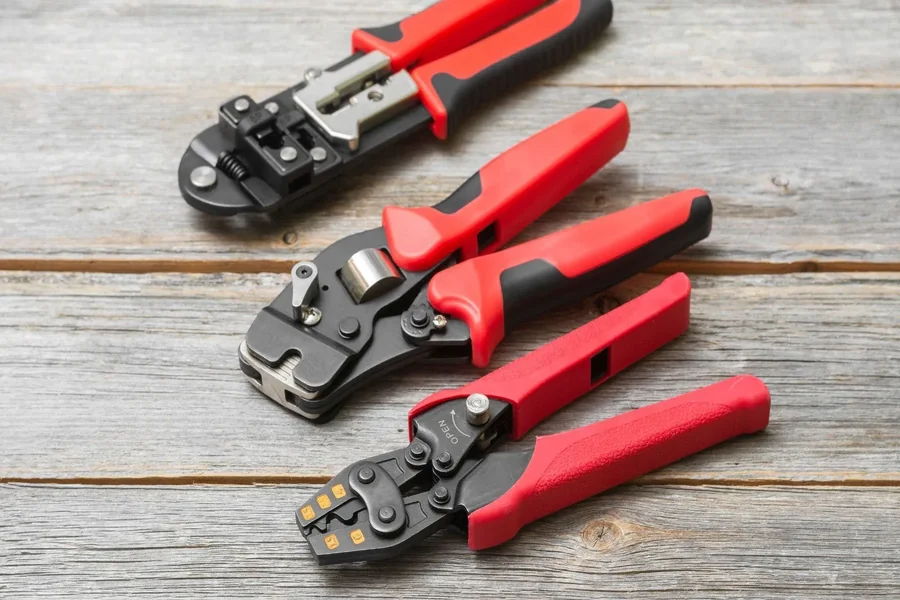
When it comes to working with cables, connectors, and terminals, choosing the right crimping tool is essential. Crimping ensures a strong and reliable connection by pressing a connector onto a cable, creating a bond that is both electrically sound and mechanically stable. However, the type of crimping tool you use can make a big difference in the quality of your work, the time it takes, and even how easy or difficult the process feels.
The two most common types of crimping tools are manual crimpers and hydraulic crimpers. While both serve the same basic purpose, they operate very differently and come with their own sets of advantages and drawbacks. In this article, we’ll compare hydraulic vs manual crimping tools to help you decide which is the best fit for your needs.
Manual Crimping Tools
How They Work
Manual crimpers are operated completely by hand. They usually have two handles with a crimping die at the head. To use them, you place your connector and cable inside the die and squeeze the handles together. The force applied by your hands compresses the connector onto the wire.
Pros of Manual Crimping Tools
- Affordable and Accessible
Manual crimpers are generally less expensive than hydraulic crimpers. For hobbyists, small-scale electricians, or occasional users, the lower cost makes them an attractive option. - Portable and Lightweight
Manual crimpers are compact and easy to carry. You don’t need any power source, oil, or complex mechanism. This makes them perfect for quick jobs or situations where portability is key. - Simple to Use
With no complex system to learn, manual crimpers are straightforward. Anyone can pick one up and start crimping with minimal instruction.
Cons of Manual Crimping Tools
- Limited Force
The biggest drawback is the limited amount of pressure you can apply by hand. This makes manual crimpers less effective for thicker cables, large terminals, or industrial-grade work. - User Fatigue
Crimping requires physical effort, especially when dealing with larger wires. Repeated use over long periods can be tiring and even lead to inconsistent crimps if the operator becomes fatigued. - Inconsistent Results
Because the strength of the crimp depends on the user’s force, results can vary. Beginners might not squeeze hard enough, leading to weak connections, while over-crimping can damage the cable or connector.
Hydraulic Crimping Tools
How They Work
Hydraulic crimpers use hydraulic pressure to apply force, either through a manual pump, battery power, or electric motor. Instead of relying on the user’s hand strength, hydraulic fluid generates the pressure needed to compress the connector onto the cable.
Pros of Hydraulic Crimping Tools
- High Force Output
Hydraulic crimpers can generate far more pressure than a human hand. This makes them ideal for heavy-duty applications, large gauge cables, and industrial projects. - Consistent and Reliable Results
With hydraulics doing the work, crimps are uniform and precise. This consistency reduces the risk of weak or faulty connections, which is critical for safety and performance. - Less Physical Effort
Unlike manual crimpers, hydraulic versions require little strength from the user. The tool does the heavy lifting, making it more comfortable and efficient, especially for professionals handling frequent crimping tasks. - Versatility
Many hydraulic crimpers come with interchangeable dies, allowing them to handle a wide range of cable sizes and connector types. This makes them suitable for electricians, mechanics, and industrial workers.
Cons of Hydraulic Crimping Tools
- Higher Cost
Hydraulic crimpers are more expensive. For small-scale or occasional use, the price may not be justified compared to manual options. - Heavier and Less Portable
Due to their size and hydraulic components, these tools are bulkier and heavier. They may not be as convenient to carry around, especially for quick or mobile jobs. - Maintenance Needs
Hydraulic systems require maintenance. Over time, seals may wear out, or hydraulic fluid may need to be checked or replaced. This adds complexity compared to the maintenance-free manual crimper.
Which One Should You Choose?
The decision between hydraulic and manual crimping tool really comes down to your specific needs and workload.
- Choose Manual Crimping Tools if:
- You’re a DIY enthusiast or casual user.
- You mostly work with smaller cables and light-duty connectors.
- Portability and low cost are more important than speed and convenience.
- Choose Hydraulic Crimping Tools if:
- You regularly work with large cables or industrial-scale projects.
- You value consistency, reliability, and professional-grade results.
- You want to reduce physical strain and increase efficiency.
For many professionals, investing in a hydraulic crimper pays off in the long run. The improved quality, reduced effort, and versatility often outweigh the higher initial cost. On the other hand, if you only need to crimp occasionally, a manual tool may be the more practical and cost-effective option.
Both hydraulic and manual crimping tools have their place in electrical work, construction, and maintenance. Manual crimpers shine when simplicity, cost, and portability are priorities. Hydraulic crimpers dominate in professional, heavy-duty applications where strength, precision, and consistency matter most.
Ultimately, the best tool is the one that fits your needs, workload, and budget. By understanding the pros and cons of each, you’ll be better equipped to make a smart choice that ensures your crimps are safe, strong, and reliable.