

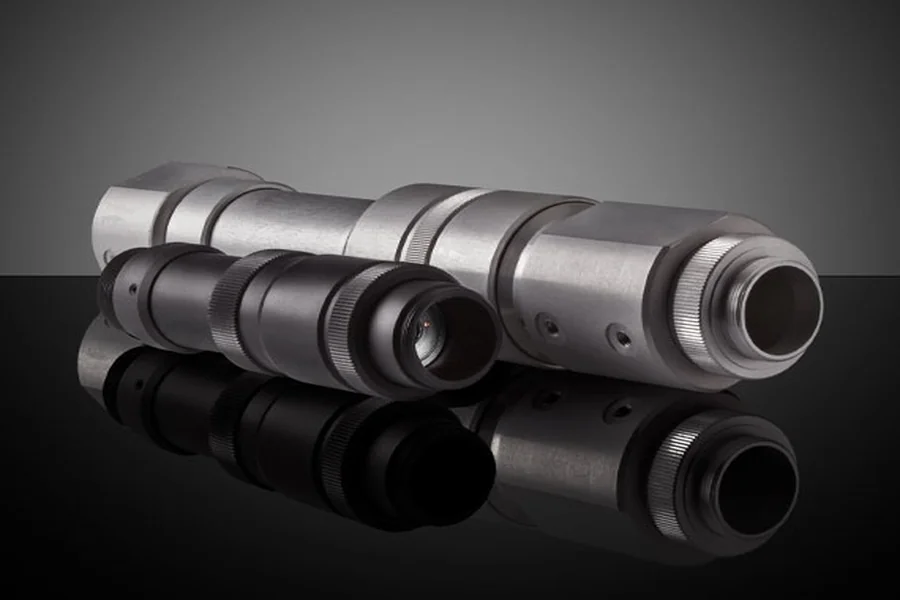
Laser beams don’t always come out perfect. Sometimes, they’re too soft in the middle. Other times, they’re way too strong at the center and weak around the edges. That’s where a beam shaper steps in. It helps fix that shape and gives you the kind of beam you actually need.
This might sound like small stuff, but it’s a big deal. Especially if you’re in a field where accuracy, speed, and clean results matter, like cutting materials, doing eye surgery, or building microchips.
Let’s break this down without the heavy talk.
What Is a Beam Shaper?
A beam shaper is a smart piece of optics. It takes your regular laser beam and changes its shape. Not randomly, it does it in a planned way.
Most lasers make a Gaussian beam. That means the center is very strong, and the edges are weak. But that’s not always useful.
A beam shaper can turn that into a “flat-top” beam, where the power is even from one side to the other.
Why You’d Want to Shape a Beam
Because not all jobs want a hot spot in the middle. Imagine cutting something with a laser and the middle burns while the edges don’t. That’s a mess.
With a beam shaper, you get clean edges, even heating, and better control. It’s great for:
- Micromachining
- Medical lasers
- 3D printing
- Laser diode correction
Want your machine to do the job right every single time? Then beam shaping is the way to go.
How Does It Actually Work?
The cool part is it’s not magic. It’s smart design.
Most beam shapers today use something called a phase diffraction grating. Sounds fancy, but the idea is simple.
This is a tiny structure that changes how light behaves. It works on the laser’s phase, not just its angle or path like a lens would. By changing the phase, the light reshapes itself as it moves through.
That’s how we go from uneven beams to smooth, flat, or even donut-shaped beams.
What’s a Phase Diffraction Grating?
Let’s say it again: phase diffraction grating. You’ll want to remember that term.
It’s made up of tiny lines or patterns on glass. You can’t see them with your eyes, but they’re there. These patterns are built to match your laser’s wavelength and beam diameter.
When the laser passes through, the grating bends and spreads the light in just the right way. This gives you the beam shape you want — no weird edges, no bright spots.
You can also combine it with other optics like a beam expander or a lens to fine-tune things even more.
What to Watch Out for
Before you grab a beam shaper and plug it in, check a few things.
- Laser Type: Are you using a laser diode or a solid-state laser? Different beams need different solutions.
- Wavelength: The phase diffraction grating needs to match your laser’s color — or more precisely, its wavelength.
- Power Level: High-power lasers need parts that can handle the heat. Materials like fused silica work best.
- Beam Diameter: Your laser’s width must match the shaper. Even a small mismatch can ruin the output.
- Aperture Size: Make sure your optics have the right opening for the beam to pass through without clipping.
It’s not too complicated. But it’s smart to check specs before installing.
Why This Matters More Than Ever
We’re living in a time where precision matters more than speed. Every industry is looking for cleaner results, lower waste, and better performance. A well-designed beam shaper helps with all three.
And with the rise of automation, robots, and AI, every laser system needs to be sharp, accurate, and repeatable.
If you’re building something serious with lasers, don’t skip the beam shaping step. It’s not just a fancy add-on — it’s part of getting the job done right.
Final Word
Beam shapers may look small, but they do big things. They turn uneven light into usable tools. They save energy. They clean up your process. They help your laser system hit the mark every time.
And while it’s tempting to grab whatever looks good online, beam shaping is one of those things where precision matters. If you’re ever stuck, it’s always smart to speak with someone who works with phase diffraction gratings and custom optics all day. One short chat could save weeks of confusion.
FAQs:
Q1: My laser works fine, so do I really need a beam shaper?
Maybe not, but think about what you’re using it for. If you care about clean cuts, even energy, or avoiding damage around the edges, then yes, a beam shaper helps a lot.
Q2: Can I use one beam shaper for different lasers?
Not always. Each laser has its own wavelength and beam diameter. A phase diffraction grating must be matched to those specs. It’s like using the right-size drill bit — close doesn’t cut it.
Q3: What if I mess it up? Will it damage my laser?
Unlikely, but it can waste energy or give poor results. If you’re not sure, just talk to someone who knows beam shaping. It’s better to ask now than fix later.