

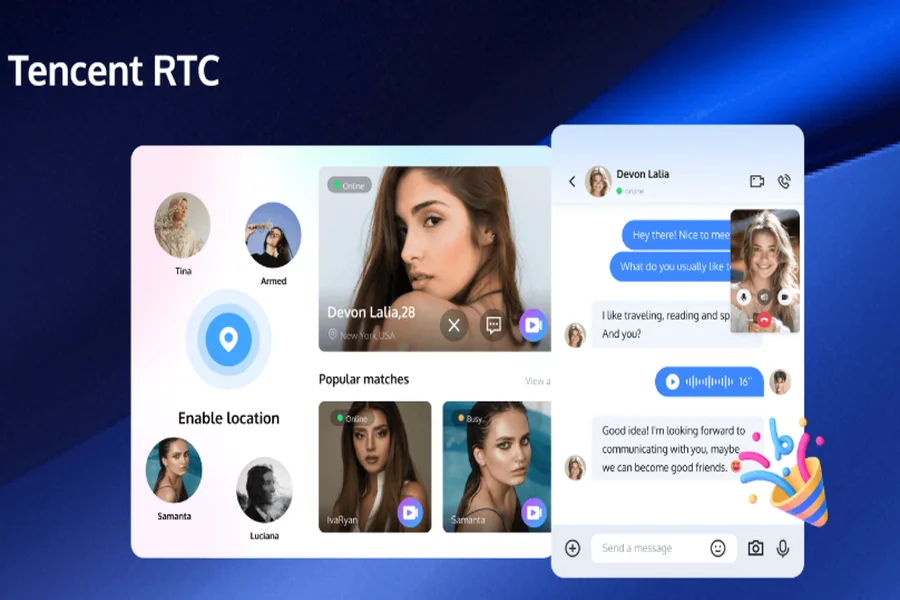
Choosing the right 1-on-1 video chat platform can significantly enhance your online interactions. Whether for personal or professional use, it’s essential to find a platform that suits your communication needs, provides security, and facilitates an engaging user experience. Users seeking a platform must navigate an array of options, each offering unique features tailored to different requirements. Identifying your core requirements forms the foundation of your decision-making process. This blog will guide you through critical considerations like security measures, user experience, and platform compatibility. You’ll also gain insight into evaluating performance metrics and assessing the support each platform offers. By thoroughly understanding these elements, you’ll be better equipped to select a 1-on-1 video chat platform that enhances your communication experience.
Understanding Your Needs
Before diving into platform specifics, it’s vital to assess your unique requirements. Consider whether you’re conducting business meetings, casual conversations, or offering customer support. Your primary use case will determine the necessary features. For further insights on features and comparisons, check out dialogueexpress.com. For professional settings, prioritize platforms with advanced collaboration tools, such as screen sharing and recording capabilities. For personal use, a simple interface with essential features might suffice. Consider the frequency and duration of your video calls, as some platforms may offer limited free usage tiers with premium features available at a cost. Evaluate if there’s a need for scalability, particularly if you anticipate future growth or expanded use. As you outline your needs, include preferred devices and operating systems, ensuring the platform you choose supports your hardware. Reflecting on these aspects will create a clear roadmap for selecting the perfect 1-on-1 video chat platform.
Key Features to Consider in a 1-on-1 Video Chat Platform
Security and Privacy Measures
Security should be a top priority when selecting a video chat platform. Look for platforms that offer end-to-end encryption, protecting your conversations from unauthorized access. This feature ensures that only participants can decrypt the message content. Also, explore the platform’s privacy policies and data management practices. Check whether they comply with relevant regulations like GDPR. Authentication features such as password protection and two-factor authentication add additional layers of security. Consider whether the platform includes options for waiting rooms or participant approvals, granting you control over who joins your chat. These measures are particularly important in business settings, where sensitive information may be exchanged. By prioritizing security and privacy in your selection process, you can safeguard your communications against potential threats.
User Interface and Experience
A user-friendly interface can significantly impact your video chat experience. Evaluate the platform’s layout for intuitiveness, ensuring it enables seamless navigation with minimal learning curves. The ease of initiating a call, inviting participants, and accessing additional features are critical. Check for customizable settings that allow users to tweak their experience according to personal preferences. User experience is also impacted by the platform’s design aesthetics—clean, modern designs often enhance clarity and focus during conversations. Consider platforms that frequently update their interface based on user feedback, which indicates a commitment to continuous improvement. Ultimately, a well-designed, easy-to-navigate interface enhances user satisfaction and productivity, making it a crucial factor in your decision.
Compatibility and Accessibility
Compatibility ensures that the platform performs well across various devices and operating systems. Verify that the platform you choose is supported on your preferred hardware—be it desktop, mobile, or tablet—and various operating systems like Windows, macOS, Android, or iOS. Additionally, consider the accessibility features provided by the platform. Does it support subtitles or other assistive technologies for people with disabilities? Platforms offering browser-based options can eliminate the need for software downloads, enabling quick and simple access to video calls. Assess internet speed requirements to ensure it meets your connectivity capabilities. Compatibility and accessibility considerations ensure a smooth, inclusive experience for all users, enhancing the platform’s utility and reach.
Evaluating Platform Performance and Support
Video and Audio Quality
High-quality video and audio are essential for effective communication. Evaluate the video resolution supported by the platform; HD and higher resolutions are standard for clear visuals. Reliable audio quality is equally important, so look for features like noise cancellation and echo reduction. Platform stability is also crucial; regular updates can enhance performance and fix bugs. Test connectivity to minimize disruptions during calls. Consider trying a demo or free trial period to assess the actual performance in your environment. A platform’s ability to deliver consistent, high-quality video and audio underpins successful and fruitful 1-on-1 interactions, making these considerations vital in your choice.
Customer Support and Reliability
Robust customer support differentiates reliable platforms. Investigate the support channels offered—does it provide 24/7 support through chat, email, or phone? Explore user reviews to gauge response times and service quality. A reliable platform also has a history of minimal downtime; check their status history and SLA guarantees. Support communities and resources, like FAQs or tutorials, can also enhance your experience, offering self-help options when needed. Choose a platform known for its dependability and customer-first approach, ensuring you have the assistance necessary to resolve issues promptly and maintain smooth operations.
Conclusion
Selecting the best 1-on-1 video chat platform—or one optimized for 1v1 video call experiences—requires careful consideration of your specific needs, key features, and performance metrics. By prioritizing security, user experience, and compatibility, you align platform capabilities with your requirements. Evaluate the reliability and quality of customer support to secure a platform known for its stability. By following this guide, you’ll make an informed decision, ensuring you select a platform that enhances your communication experience for both personal and professional interactions.