
Sport in the Age of Data
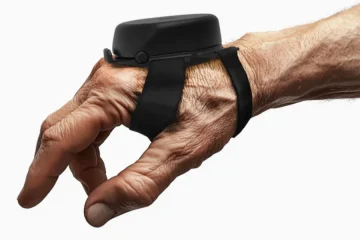
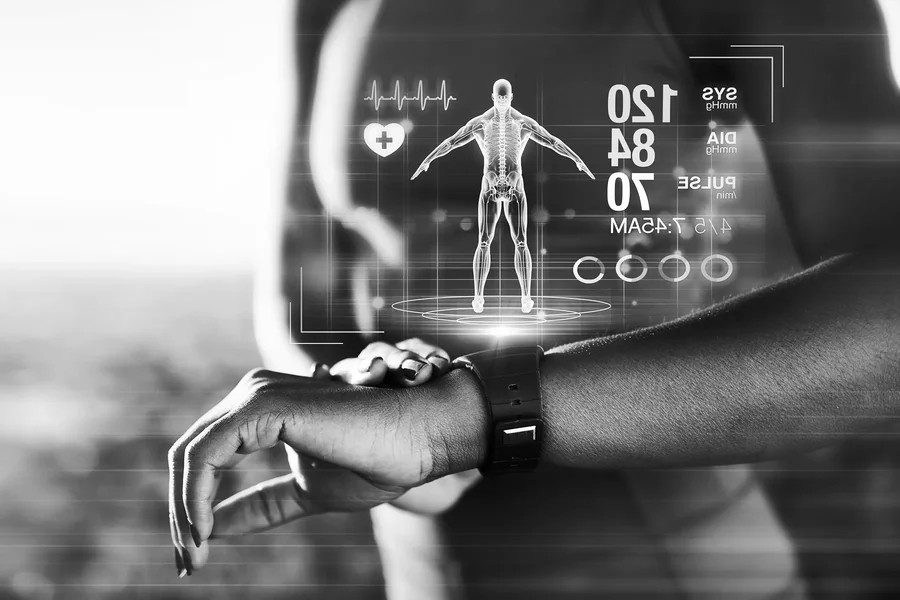
Athletic training has moved far beyond the traditional model of trial and error. In the modern era, data is the new foundation for progress. Wearable devices, fitness trackers, and advanced apps provide athletes with detailed information about heart rate variability, sleep cycles, and even stress levels. This information helps trainers and athletes adjust workloads with greater accuracy, reducing the risk of overtraining while maximizing long-term improvements.
For bodybuilders, this means no more “blind” sessions in the gym. Every rep and set can be monitored, compared, and adjusted to ensure optimal performance. This scientific approach has democratized progress — what once required elite laboratories is now available on a smartphone.
Intelligent Gyms and Real-Time Feedback
Gyms are evolving into high-tech spaces where machines don’t just provide resistance, they analyze movement. Smart equipment can automatically adjust the weight according to the user’s fatigue level and correct posture in real time. These innovations reduce injury risk and increase training efficiency.
Virtual reality and augmented reality are also making their way into fitness centers. By simulating competition environments or gamifying workouts, athletes train both physically and mentally. The combination of entertainment and precision monitoring has made exercising more sustainable and effective.
The Science of Muscle Growth and Recovery
Scientific research in sports medicine has revealed just how complex muscle growth really is. Training causes micro-tears in muscle fibers, which then stimulate regeneration. But progress depends heavily on recovery. Sleep, nutrition, and hormonal balance all play decisive roles. Tools such as 3D body scans and metabolic testing now provide athletes with individualized blueprints for growth.
Nutrition apps further enhance this process by calculating macronutrient intake and offering real-time corrections. This integration of diet and training ensures that athletes fuel their bodies correctly for both performance and repair.
Recovery and the Mental Factor
Beyond the physical, mental recovery is becoming a recognized pillar of performance. Stress management, mindfulness, and breathing techniques are increasingly integrated into sports preparation. High cortisol levels can block muscle growth and reduce performance, while a calm and focused mindset enhances consistency.
Sleep monitoring devices help athletes ensure they get the quality rest needed for recovery. Today’s top performers know that progress happens not only in the gym, but also during well-managed downtime.
Modern Pharmacology as a Complement
Alongside training, nutrition, and technology, modern pharmacology provides athletes with additional tools. While not a substitute for hard work, these aids can support recovery, focus, and energy. For example, some athletes consider specialized supplements such as DMAA pre workout to boost intensity and performance during demanding sessions.
Platforms like Dinespower make such products available responsibly, ensuring quality options for athletes who want to complement their training strategies with modern solutions.