

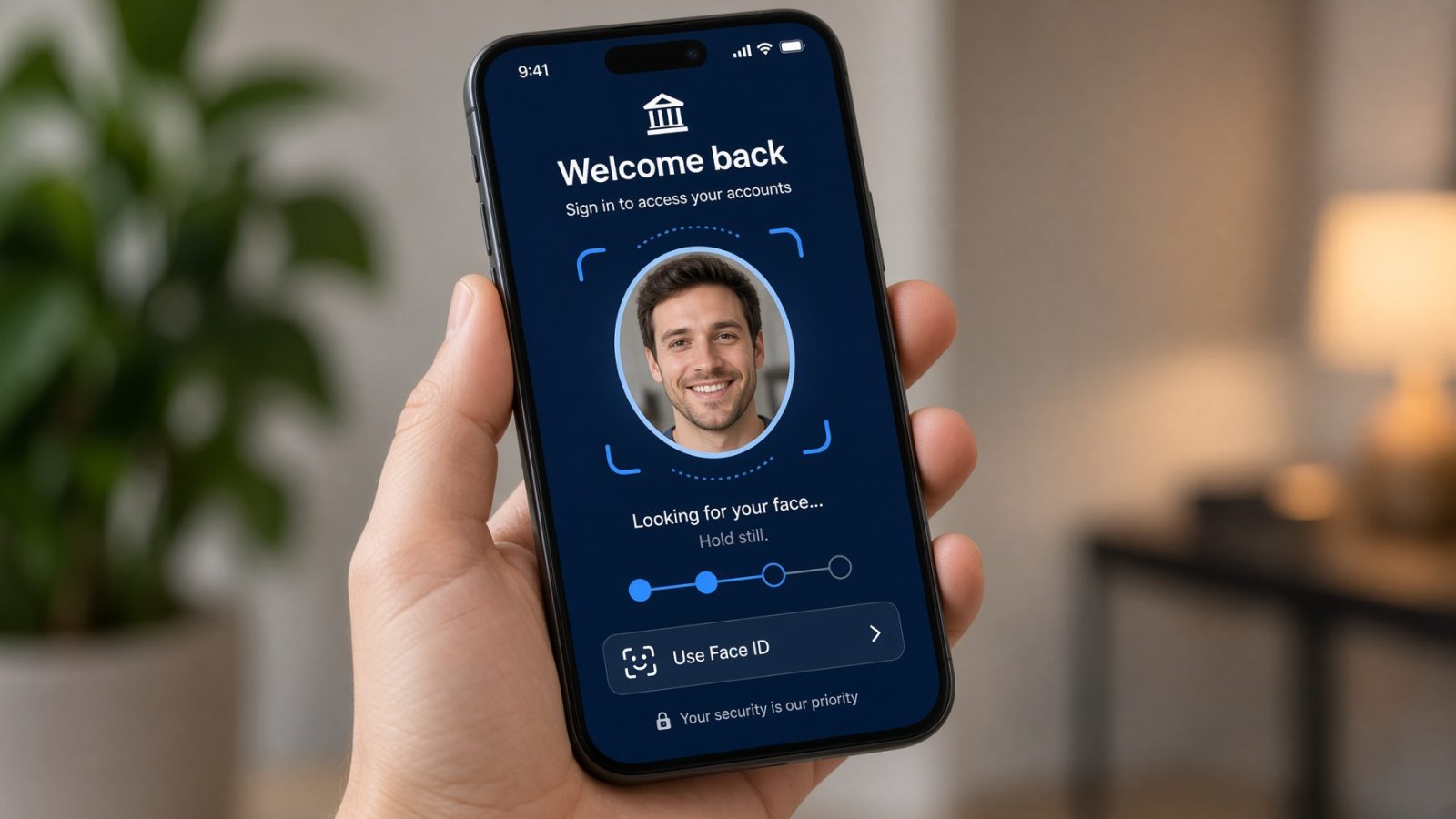
For most of the internet’s history, logging in answered one question: do you know the password? A growing number of services now ask a harder one, which is whether you are actually the person you claim to be.
Banks in Europe are preparing to accept government-backed digital identity wallets for sign-in. Gaming platforms are attaching verified ages to accounts. Your favorite online store has probably asked you for a passkey too. Each of these changes works differently, and each affects how your data is handled and how safe your accounts are.
Banking Got There First
Since 2021, online payments anywhere in the EU and EEA have needed strong customer authentication, and most banks moved past plain passwords years ago.
BankID As The Front Door
In the Nordics, the same BankID that opens your online bank also gets you into the tax office, your health records, and plenty of private services. You can see it in Finnish pikakasinot, where logging in through your bank replaces a separate username and password altogether. It looks like a single tap. However, the casino runs both identity and payment checks at once, and the bank tells it exactly who the player is.
Europe’s Wallet Deadline
The rest of the EU is heading the same way through the EU Digital Identity Wallet. Every member state has to offer at least one wallet, covering roughly 450 million people, and users will be able to sign in to online services with one set of credentials. Banks, telecom operators, energy suppliers and very large online platforms are expected to accept these wallets from late 2027. The rollout will happen country by country rather than all at once.
Gaming Accounts Now Carry A Verified Age
For years, gaming accounts relied on a birthday field anyone could fill in. That changed in 2026, when the major console networks in the UK and Ireland began asking adult players to verify their age. Accounts that skip the check lose features like voice chat and messaging. You only verify once, and the result stays with the account. Other countries with new online safety laws are heading the same way.
Real-money gaming goes a step further. At no-registration casinos, your bank payment works as the sign-up, so the casino knows exactly who you are without you filling in a form. You may still be asked for documents later, for example when you withdraw winnings. Players must be 18 or older.
Online Stores Want Less Friction, Not Less Proof
Online stores worry most about lost sales, since a shopper who can’t log in at checkout often leaves. That is why platforms like Amazon, eBay, and Best Buy now support passkeys. Amazon has made passkeys the default sign-up method for its marketplace, and its passkey sign-ins are six times faster than passwords.
Identity checks also go beyond people. When an AI shopping agent buys on a customer’s behalf, the store has to verify both the agent and the person behind it. Mastercard only lets registered and verified agents make payments, and the customer decides what the agent is allowed to buy. In effect, the agent gets its own verified login. Our security and tech guides explain how to set up passkeys and recovery options.
Trading Apps Verify Once And Reuse The Result
Trading apps face the same issue in a different format. Many exchanges now offer stock-based derivatives and prediction markets alongside crypto, and each product can have its own license and eligibility rules. Asking for a passport every time a customer tries something new drives people away. Checking too little lets fraud in.
At sign-up, most platforms check your ID and a short selfie video, which proves a real person is present. That verified identity then becomes your login. Your face or fingerprint unlocks the app, and the same check opens new products later. The platform only asks you to verify again when something changes, such as a new phone.
What Users Gain And What They Need To Watch
For users, the biggest gain is sharing less personal data. A verified credential can confirm that you are over 18 without revealing your birthday, or confirm your address without showing the rest of your ID.
Once you have been properly verified, new services can rely on that check instead of asking for another photo of your passport. The checks themselves are also harder to fool, since services now combine liveness tests, the chip in your ID, and checks on your device rather than relying on a single selfie.
There are new risks to keep in mind as well. When one BankID or wallet gives access to everything, your phone and its recovery settings need far more protection than a single password ever did. And however smooth the process feels, every session is linked to a real, verified person.
The Login Is Now About The Person
Once identity checks become the login, services stop asking what you know and start asking who you are. Banks got there first. Gaming and trading apps aren’t far behind, and stores are leaning on passkeys. You might only see a fingerprint prompt, but what’s behind it does a lot more work than a password box ever had to.