

Homeowners are constantly looking for ways to make their living spaces more comfortable and energy efficient without sacrificing natural light or aesthetics. While upgrades like insulation, new windows, and HVAC improvements are often discussed, one solution is frequently overlooked: residential window tinting.
Modern window films offer far more than privacy or visual appeal. They are designed to manage heat, block harmful ultraviolet rays, reduce glare, and improve overall comfort. When applied correctly, window tint becomes a powerful tool for enhancing indoor environments while lowering energy demands.
Why Windows Play a Major Role in Home Comfort
Windows are one of the largest contributors to temperature imbalance inside a home. While they provide natural light and outdoor views, they also allow significant solar heat to enter.
During warmer months, sunlight passing through untreated glass can:
- Raise indoor temperatures
- Create hot spots near windows
- Increase air conditioning usage
- Cause glare and fading
According to energy efficiency studies, windows account for a substantial portion of unwanted heat gain in residential buildings. Managing this heat at the glass level is one of the most effective ways to improve comfort.
How Residential Window Tint Works
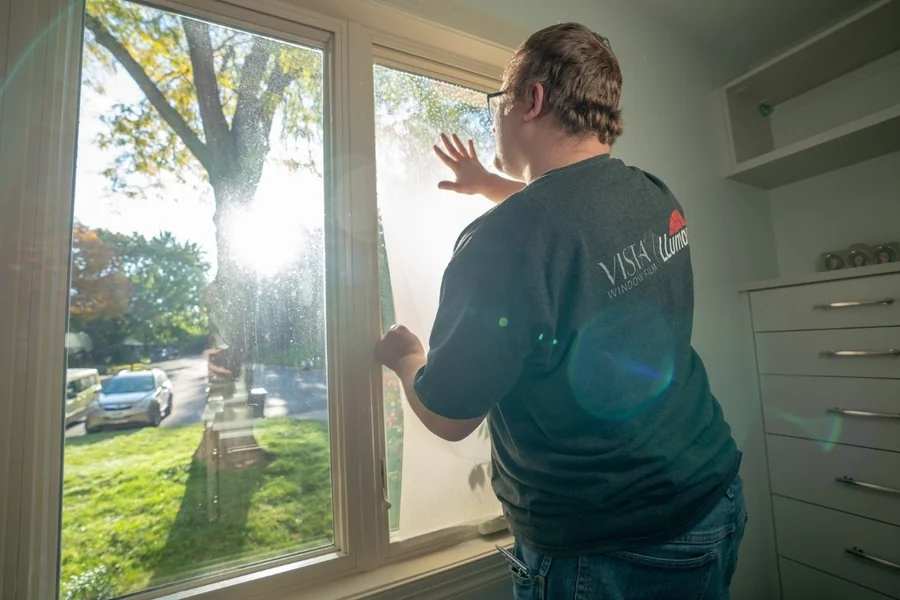
Residential window tint is a thin, transparent or lightly tinted film applied to the interior surface of glass. Its purpose is to control how sunlight enters the home by filtering specific wavelengths of light.
High-quality films are engineered to:
- Block ultraviolet radiation
- Reject infrared heat
- Reduce glare
- Maintain visibility and natural light
Rather than darkening rooms, modern window tint softens sunlight, making it more comfortable without altering the character of the space.
Improved Temperature Consistency
One of the most noticeable benefits of residential window tinting is improved temperature balance throughout the home.
Rooms with large or west-facing windows often become significantly warmer than other areas. Window tint reduces solar heat gain, helping maintain more consistent temperatures across different rooms.
This leads to:
- Fewer hot spots
- Reduced reliance on air conditioning
- More comfortable living spaces throughout the day
By stabilizing indoor temperatures, window tint helps homes feel more livable year-round.
Energy Efficiency and Reduced Cooling Costs
When sunlight heats interior spaces, cooling systems must work harder to maintain comfort. This increases energy consumption and utility costs, particularly during peak summer months.
Residential window tint reduces the amount of heat entering through windows, easing the workload on HVAC systems. Studies have shown that quality window films can reduce cooling costs by up to 30 percent in certain environments.
Lower energy demand not only saves money but also supports more sustainable household energy use.
UV Protection and Interior Preservation
Ultraviolet radiation is a major cause of interior damage. Over time, UV exposure fades furniture, discolors flooring, and weakens fabrics.
Residential window tint blocks up to 99 percent of UV rays, providing protection for:
- Hardwood and laminate floors
- Upholstered furniture
- Curtains and blinds
- Artwork and décor
This preservation extends the life of interior materials and helps maintain the home’s appearance, reducing the need for replacements or refinishing.
Glare Reduction Without Sacrificing Light
Glare can make living spaces uncomfortable, particularly in rooms used for work, entertainment, or relaxation. Excessive brightness strains the eyes and reduces screen visibility.
Window tint reduces glare by filtering harsh light while allowing natural illumination to remain. This creates a softer, more comfortable atmosphere without darkening rooms or blocking views.
For home offices and media rooms, glare reduction can significantly improve usability.
Privacy With a Subtle Finish
While privacy is not the primary goal of residential window tinting, it is an added benefit. Certain films reduce visibility from the outside during daylight hours without creating a mirrored or reflective appearance.
This allows homeowners to enjoy natural light while maintaining a sense of privacy, particularly in urban or high-traffic areas.
Film Types and Performance Differences
Not all residential window tints perform the same. Film technology plays a major role in effectiveness and longevity.
- Dyed films provide basic glare reduction but limited heat control
- Metallic films reflect heat but may alter exterior appearance
- Ceramic films offer superior heat and UV rejection with minimal visual impact
Homeowners seeking long-term comfort and energy efficiency often choose ceramic-based films due to their durability and performance.
This is why many turn to residential window tinting professionals who can recommend the right film based on window orientation, glass type, and comfort goals.
Installation Quality and Glass Compatibility
Proper installation is critical to performance and safety. Different glass types require compatible films to prevent thermal stress or seal damage.
Professional installers assess:
- Glass composition
- Window orientation
- Climate conditions
- Desired performance outcomes
This ensures that window tint enhances comfort without compromising window integrity.
Year-Round Benefits
While window tint is often associated with summer heat reduction, it provides benefits year-round.
In colder months, certain films help retain indoor heat by improving insulation efficiency. This contributes to more stable indoor temperatures and reduced heating demands.
By regulating heat flow in both directions, window tint supports consistent comfort across seasons.
Cost vs. Long-Term Value
Residential window tinting is a cost-effective upgrade compared to replacing windows or overhauling HVAC systems. Its benefits begin immediately and continue for years.
The long-term value includes:
- Lower energy bills
- Reduced interior damage
- Improved comfort
- Enhanced home livability
For homeowners planning to stay in their homes long-term, window tint delivers measurable returns on investment.
Final Thoughts
Residential window tinting is a smart, practical way to improve comfort, protect interiors, and enhance energy efficiency. By addressing heat and UV exposure at the source, it creates a more balanced indoor environment without sacrificing light or aesthetics.
Modern window films offer homeowners a subtle yet powerful upgrade that pays dividends in comfort, efficiency, and preservation. When selected thoughtfully and installed correctly, window tint becomes an essential component of a comfortable, energy-conscious home.