

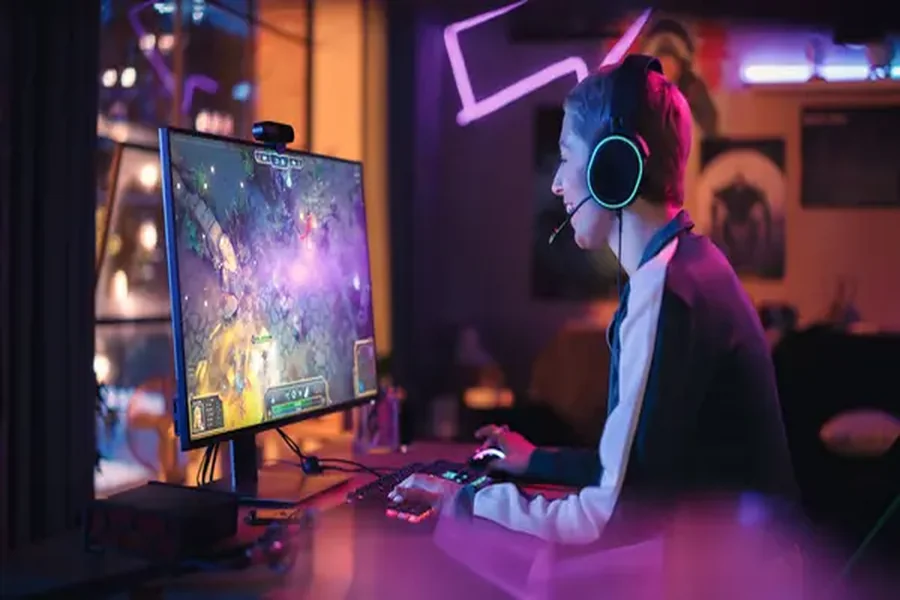
Have you ever played an online game and suddenly realised your teammate is from another country, speaking a different language, but still chasing the same goal as you?
That is the real magic of online gaming today. It is no longer just about passing time or winning matches. It has become a shared space where people from different cultures, cities, and time zones come together.
Online gaming has grown into a global meeting ground because it gives players a simple way to connect. A person sitting in India can play with someone from Japan, Brazil, Korea, or Europe within seconds. The game becomes the common language. Even when players do not know each other personally, they can still plan, compete, laugh, and learn together.
The Rise Of Connected Gaming
Online gaming became popular because the internet made games more social and more accessible. Earlier, gaming was mostly limited to one device, one room, or a small group of friends. Now, it has moved far beyond that.
From Local Play To Global Play
In the past, players often needed to sit together to enjoy multiplayer games. Friends came home, connected controllers, and played on the same screen. That had its own charm, but it had limits. You could mostly play with people nearby.
With online gaming, those limits slowly disappeared. Players could join matches, build teams, and compete with others from anywhere. This change made gaming feel bigger and more exciting. It also helped people meet others they would never meet in daily life.
Why Internet Access Changed Everything
Better internet access played a big role in this shift. As connections became faster and more stable, online games became smoother. Players could join live matches, chat in real time, and take part in events without much difficulty.
This also helped casual players. They did not always need special setups or complex systems. Many games became easy to access through phones, laptops, tablets, and regular home internet. That made online gaming more common in everyday life.
How Online Games Bring People Together
Online games create shared goals. That is one big reason people connect through them. When players work together to win a match or complete a challenge, they naturally start communicating.
Teamwork Builds Quick Bonds
In many online games, players cannot win alone. They need teamwork. One player may defend, another may attack, and someone else may guide the group. This creates a sense of coordination, even between strangers.
Simple communication like “go left,” “wait,” “help,” or “nice move” can build a small bond. Slowly, some players become regular teammates. Some even become long-term online friends. It feels natural because the connection starts through action, not forced conversation.
Communities Grow Around Shared Interests
Online gaming also creates communities outside the game. Players join groups, forums, chats, and social spaces to discuss strategies, updates, events, and experiences. These communities often include people from many countries.
In such spaces, gaming platforms and communities like duniahoki99.com/”>duniahoki99 are often part of wider online discussions where players explore digital entertainment, gaming trends, and shared interests. The important point is that online gaming gives people a common topic to talk about, no matter where they come from.
The Role Of Culture In Global Gaming
Gaming has become a fun way to experience different cultures. Players may notice different playing styles, communication habits, humor, and even local references while interacting with others.
Learning Through Interaction
When people play with international players, they slowly learn small things about other places. They may hear different accents, see different usernames, or learn greetings in another language. These small moments make the experience more human.
For example, one player may explain a festival, food, or local phrase during a casual chat. Another may share how gaming is popular in their city. These conversations are simple, but they make the world feel closer.
Respect And Friendly Communication
Good online gaming communities work best when players respect each other. Since players come from different backgrounds, clear and friendly communication matters. Most players enjoy a space where people can compete seriously but still behave politely.
This is why simple habits are useful:
- Use clear words while chatting.
- Avoid judging people by language or location.
- Appreciate good teamwork.
- Keep the game fun for everyone.
These small things help make online gaming more welcoming.
Why Online Gaming Appeals To Different Age Groups
Online gaming is not only for one type of person. Students, working professionals, casual players, and hobby gamers all enjoy it in different ways. That wide appeal is one reason it became a global meeting place.
Casual Players Enjoy Easy Access
Many people play games after work, during breaks, or on weekends. They may not be expert players, but they enjoy the fun and social side of gaming. For them, online games are like a quick hangout spot.
They can join a short match, talk to friends, or relax without planning too much. This casual style has helped online gaming become part of daily entertainment.
Serious Players Find Competition
Some players enjoy ranking systems, tournaments, and skill-based matches. For them, online gaming offers a chance to test their ability against global players. This creates excitement because every match can feel different.
Playing with international users also improves skill. Different players bring different strategies. A person may learn new timing, movement, planning, or decision-making just by observing others.
Technology Made Global Gaming Easier
Technology has made online gaming more open and smooth. Better devices, cloud features, voice chat, and faster networks have all helped players connect more easily.
Cross-Device Play Creates More Freedom
Many modern games support different devices. This means one player may use a phone while another uses a laptop or console-like setup. This flexibility allows more people to join, even if they do not have the same device.
Cross-device play also helps friends stay connected. They do not need identical systems to enjoy the same game. This makes the gaming world feel more open.
Voice And Text Chat Improve Connection
Chat features make online gaming feel more social. Text chat is useful for quick messages, while voice chat helps during fast matches. Even simple reactions and emojis can make the game more lively.
Players do not always need long conversations. Sometimes, a quick “well played” or “good game” is enough to create a positive moment.
The Future Of Online Gaming Communities
Online gaming will likely become even more connected in the coming years. As technology improves, players may get more ways to meet, play, and share experiences.
More Social Features In Games
Games are slowly becoming social spaces, not just playing spaces. Players can attend virtual events, create avatars, join group activities, and build digital communities. This makes gaming feel closer to an online gathering place.
The future may bring more tools for communication, personalization, and group play. These features can help players feel more involved and connected.
A More Global Player Experience
As more people get access to gaming devices and stable internet, global player communities will continue to grow. This means more cultures, languages, and playing styles will come together.
Online gaming may become one of the easiest ways for people to interact across borders. It is simple, fun, and built around shared activity.
Conclusion
Online gaming became a meeting ground for global players because it gives people a common space to play, talk, compete, and connect. It breaks distance in a very natural way. You do not need to travel to meet someone from another country. You can simply join a match and share the same goal.
The beauty of online gaming is its simplicity. People come for entertainment, but they often stay for the friendships, teamwork, and community feeling. In a world where everyone is busy, online games offer a casual and friendly way to connect with people across the globe.