

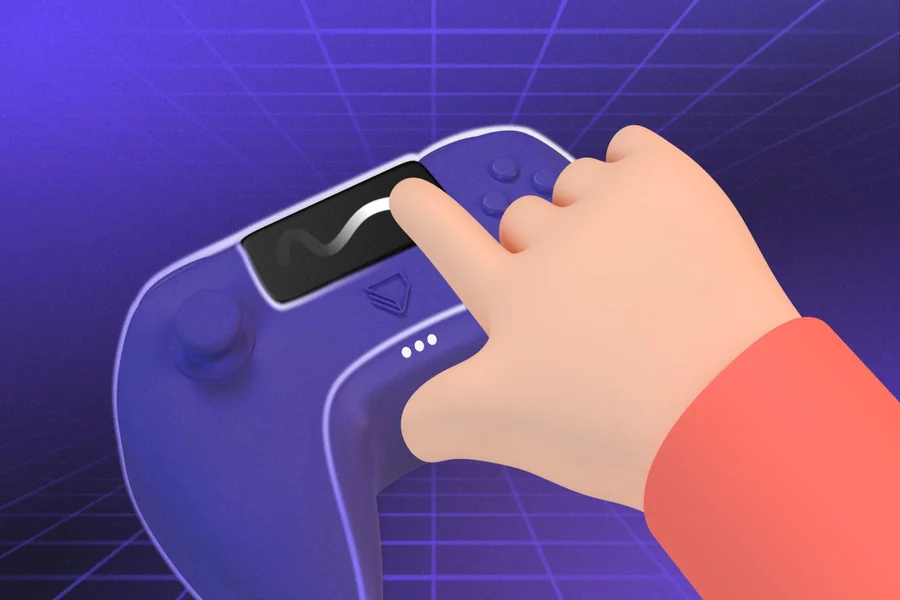
Modern betting apps are changing how users interact with mobile platforms. One key shift is the use of visual cues to guide decisions. These cues make the interface more intuitive, helping users find odds, place bets, and track live events faster. In mobile environments, clear visual feedback is essential. It reduces mistakes and increases time spent on the app.
User experience teams are focusing more on how information is shown rather than just what is shown. Colour codes, motion triggers, and subtle animations now replace text-based prompts. This visual-first design is key to attracting users who value speed and clarity. One approach that helps streamline app delivery is direct install access, often through formats like 1xbet apk, which allow platforms to bypass complex store systems and offer immediate downloads.
These changes reflect a wider trend. Developers are replacing static menus with responsive layers that adapt to each user’s actions. In competitive markets, small interface improvements often define whether a user returns or leaves.
Visual Design as a Navigation Tool
Cues like glow borders, pulsing icons, or drop shadows help highlight options without overwhelming users. These elements guide attention to important buttons or upcoming events. When combined with smart colour use, they create a natural path for users to follow.
This reduces search time, which is one of the top reasons users abandon apps. For example, instead of reading full instructions, a colour-coded icon can show which matches are live, which bets are closing, or where bonuses are available. This speeds up interaction and increases satisfaction.
Motion design is also widely used. A shaking icon or sliding arrow prompts users to take an action. These subtle shifts are more effective than text alerts, especially in fast-paced sessions. When tested against standard formats, animated icons resulted in quicker navigation and fewer tap errors.
Platform Integration and Local Interaction Styles
App designers often adjust layouts based on user habits in specific regions. In Southeast Asia, for instance, interfaces favour layered menus and tap-friendly buttons. These design features help users explore more content without scrolling too much. Interface scale is adapted for lower-resolution devices to keep response time fast.
In this setting, platforms like 1xbet line support visual themes that blend live data with bold colour coding. This layout makes in-game changes and betting updates more visible. Visual cues like gradient bars or flashing odds help users understand what is changing without reading every line.
These design principles are adapted to local apps and supported by regional feedback. Surveys show that users prefer fast interfaces with visual guidance over apps that offer too many options without structure.
Feature Focus: What Users Look For in Mobile Interfaces
Designers study click paths and eye tracking to improve app layout. This feedback is used to place icons, alerts, and odds sections in the right position. Certain elements consistently drive better performance.
Users often interact more with apps that include:
- Responsive menus with clear transitions
- Icons that change colour based on action status
- Visual badges for bonus activity and time-limited offers
- Match animations to show ongoing action
- Tap shortcuts that trigger pre-set bet slips
This structure works especially well in apps that highlight top Thai betting app features, such as rapid match toggles, custom bet builders, and live multi-view tabs. These tools benefit from sharp visuals and layered layouts that show multiple data points in one glance.
Trust and Action Through Visual Feedback
Another reason for visual focus is trust. Users want to know that their action was received. A glowing button, short shake animation, or check icon gives instant confirmation. Without this, they may press again, causing duplicated actions or errors.
Apps that use strong visual feedback reduce drop-offs during key moments like deposits or final bet placement. Clear signals create confidence. That leads to smoother interaction and fewer user complaints.
This visual layer also supports first-time users. They may not know betting rules or platform flow. Highlighted tutorials, colour-coded odds, or guided taps help them learn quickly. Instead of long explanations, they follow shapes, icons, and pulses.
Evolving User Experience Models in Mobile Betting
The use of visual cues is likely to expand. As apps collect more behaviour data, they will learn which colours, shapes, and movements drive better interaction. Designers will test real-time adjustments, where icons respond to user pace or decision style.
App versions will become more adaptive. A new user may see larger icons and extra help markers. A regular user may get cleaner menus and reduced prompts. This personalisation will be driven by visual response patterns, not just account settings.
Interface innovation will define the next generation of mobile betting. Platforms that understand user interaction flow, screen readability, and motion guidance will lead adoption. As users spend more time on mobile, their demand for clarity, speed, and trust will shape how apps are built.