
In both professional work environments and home settings, having the right tools readily available can make a significant difference when performing repairs, installations, or maintenance tasks. Whether fixing household items, assembling furniture, performing mechanical work, or completing construction projects, access to a well-organized set of tools improves efficiency and accuracy.
Instead of purchasing tools individually, many professionals and DIY enthusiasts prefer using tool kits that include a collection of commonly used hand tools stored together in a convenient case. These kits are designed to provide users with essential tools for a wide range of tasks, making them practical for both beginners and experienced technicians.
By keeping frequently used tools organized in a single storage case, users can easily carry their equipment between work locations while ensuring that each tool is available whenever it is needed.
What Are Tool Kits?
A tool kit is essentially a collection of tools grouped together for convenience and efficiency. These tools are typically stored in a case, toolbox, or bag designed to protect the equipment and keep it organized. The contents of the kit may vary depending on its intended purpose, such as home repairs, automotive maintenance, electrical work, or professional construction tasks.
Some kits contain only a few essential tools for simple repairs, while others may include dozens or even hundreds of items designed for more advanced applications. The main advantage of a kit is that it provides a ready-to-use collection of tools that can handle many different tasks without requiring separate purchases.
Common Tools Included in a Basic Kit
Most general-purpose tool kits include a selection of tools that can be used for common repair and maintenance tasks. These tools are chosen for their versatility and practicality.
Screwdrivers
Screwdrivers are among the most frequently used tools. A typical kit includes both flathead and Phillips screwdrivers in different sizes for tightening or loosening screws.
Hammer
A claw hammer is often included for driving nails, removing nails, or performing light construction tasks.
Pliers
Pliers are useful for gripping, bending, or cutting wires and small metal parts.
Tape measure
Measuring tools help ensure accuracy when cutting materials or installing equipment.
Adjustable wrench
An adjustable wrench allows users to tighten or loosen nuts and bolts of different sizes.
Utility knife
Utility knives are used for cutting materials such as cardboard, plastic, or packaging.
These tools form the foundation of many basic tool kits and are useful for a wide variety of everyday tasks.
Advantages of Using Tool Kits
Using a pre-assembled tool kit offers several practical benefits.
Convenience
Having multiple tools stored together means users can quickly find what they need without searching through separate storage areas.
Portability
Most kits come with compact carrying cases, making it easy to transport tools to different work locations.
Cost efficiency
Purchasing tools as part of a kit is often more affordable than buying each tool individually.
Better organization
Tool kits are designed with compartments or molded trays that keep tools in place and prevent damage.
These advantages make tool kits popular among homeowners, technicians, and professionals who require quick access to essential tools.
Types of Tool Kits
Tool kits are available in several categories depending on the intended use.
Household tool kits
These kits contain basic tools designed for everyday home repairs, furniture assembly, and simple maintenance tasks.
Automotive tool kits
Automotive kits include tools such as socket wrenches and specialized equipment used for vehicle repairs and maintenance.
Electrical tool kits
Electricians use kits that include insulated tools designed for safe electrical work.
Professional technician kits
Professional kits contain a larger range of specialized tools used in mechanical, industrial, or engineering environments.
Choosing the right type of kit depends on the specific tasks that the user expects to perform.
Importance of Proper Tool Storage
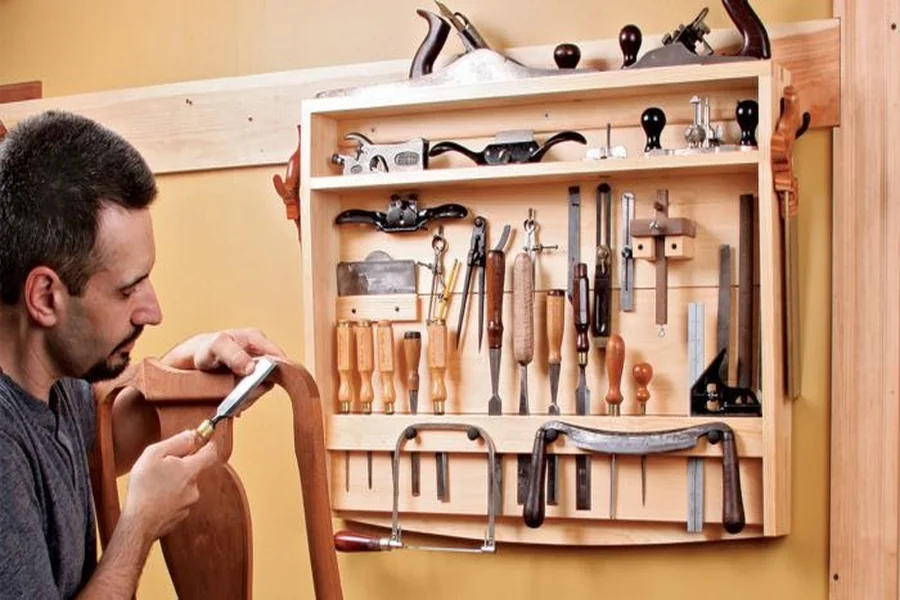
Keeping tools organized and protected is essential for maintaining their performance and longevity. Many kits include protective cases or toolboxes designed to store tools safely and prevent them from becoming damaged during transport.
A toolbox not only organizes tools but also helps protect them from dust, moisture, and accidental impacts. Portable toolboxes often include compartments or trays that allow users to arrange tools neatly and access them easily.
Proper storage also helps users quickly identify missing tools, which is particularly useful in professional work environments where equipment accountability is important.
Applications Across Different Industries
Tool kits are used in a wide variety of industries and professions.
Construction
Workers rely on tool kits for assembling structures, installing materials, and performing repairs.
Automotive maintenance
Mechanics use specialized kits for diagnosing and repairing vehicle components.
Electrical installation
Electricians depend on organized tool kits for wiring, testing, and maintenance tasks.
Home improvement
DIY enthusiasts often keep tool kits for everyday repairs and projects around the house.
Because of their versatility, tool kits are considered essential equipment in many work environments.
Choosing the Right Kit
When selecting a tool kit, it is important to consider the intended use. For basic home repairs, a compact kit with essential tools may be sufficient. For professional work, larger kits containing specialized tools may be required.
Quality is another important factor. Durable tools made from strong materials are less likely to break and can provide reliable performance over time.
Users should also consider the storage case design, ensuring that it keeps tools organized and easy to transport.
Conclusion
Having a reliable set of tools is essential for completing repairs, installations, and maintenance tasks efficiently. Tool kits provide a practical solution by combining multiple essential tools into a single organized set.
Whether used for household repairs, professional work, or DIY projects, these kits help users stay prepared for a wide variety of tasks. By selecting a high-quality kit and maintaining proper organization, individuals can ensure they always have the tools needed to handle both simple and complex projects effectively