

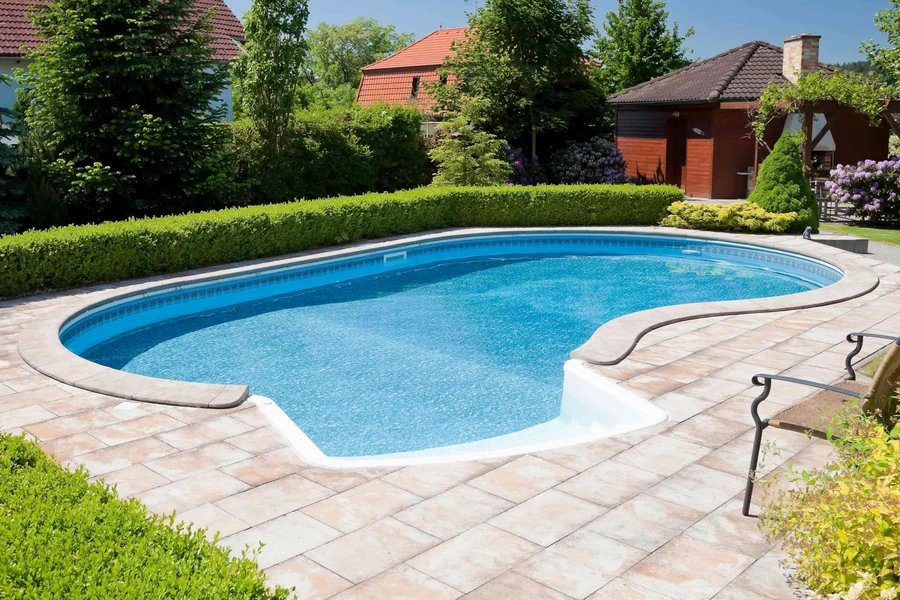
Swimming pool resurfacing is more than just restoring the structural integrity of your pool—it’s an opportunity to completely transform its appearance. One of the most critical decisions homeowners face during this process is choosing the right color. The color of your pool can affect not only aesthetics but also water clarity, heat absorption, and long-term maintenance. In this article, we will explore the key considerations to help you make the best choice for your swimming pool resurfacing project.
Why Swimming Pool Resurfacing Matters
Swimming pools typically need resurfacing every 10 to 15 years, depending on the material and usage. Over time, plaster, pebble, or aggregate finishes can develop cracks, stains, or rough surfaces. According to the Association of Pool & Spa Professionals (APSP), 62% of pool owners resurface their pools primarily to improve aesthetics rather than functionality.
Swimming pool resurfacing not only revitalizes the look of your pool but also ensures safety and durability. Choosing the right color during resurfacing is a decision that impacts your pool’s overall vibe, energy efficiency, and even water temperature.
Factors to Consider When Choosing Pool Color
1. Pool Size and Shape
The color of your pool can visually alter its size. Lighter colors such as white, light blue, or cream can make smaller pools feel more expansive. Conversely, darker shades like navy, charcoal, or deep green tend to create a more intimate, cozy environment, which works well for larger backyard pools.
2. Water Clarity and Appearance
One of the most significant effects of pool color is on water appearance. According to a 2022 survey by Pool & Spa News, 78% of homeowners reported that lighter-colored pools appeared brighter and cleaner, while darker pools made water look more natural and sometimes deeper. Blue and turquoise shades are the most popular because they enhance water clarity and give that inviting tropical feel.
3. Climate and Sun Exposure
Your local climate should influence your color choice. Darker pool finishes absorb more heat, which can be beneficial in colder regions, slightly warming the water. However, in hot climates, lighter colors are preferred to reflect sunlight and reduce overheating. For example, a light gray or sandy beige finish can keep water cooler while maintaining a modern aesthetic.
4. Maintenance Considerations
Certain colors are easier to maintain than others. Light-colored pools can show dirt, algae, and calcium deposits more easily, requiring more frequent cleaning. Darker colors, while better at hiding minor stains, may show debris like leaves or dust. Many homeowners opt for medium shades such as aqua, sky blue, or soft turquoise to strike a balance between visual appeal and maintenance ease.
5. Design Harmony
Your pool’s color should complement your outdoor environment. Consider the color of your patio, landscaping, and nearby architecture. For example, a beige or sandy finish blends seamlessly with natural stone surroundings, while a vivid blue pool pairs beautifully with modern concrete or white tile decks. The goal is to create a cohesive outdoor space that feels intentional and inviting.
Popular Pool Resurfacing Colors
Here are some trending colors for swimming pool resurfacing in 2026:
- Classic Blue: Timeless and versatile, it enhances water clarity and gives a serene look.
- Turquoise or Aqua: These shades mimic tropical lagoons and are extremely popular in resort-style pools.
- Pebble or Aggregate Finishes: Natural tones like tan, gray, or white speckled with small stones add texture and a high-end aesthetic.
- Deep Navy or Charcoal: Ideal for contemporary designs and pools in shaded areas, creating a dramatic, luxurious effect.
According to industry experts, pools resurfaced with pebble or aggregate finishes have seen a 15–20% higher increase in property value compared to traditional plaster finishes, largely due to aesthetic appeal.
Tips for Making the Final Decision
- Test Samples: Always request color samples from your contractor and view them under different lighting conditions. Pool water, sunlight, and shade can all influence how the color appears.
- Consider Pool Lighting: LED or underwater lights can drastically change the appearance of your chosen color at night. Light-colored pools reflect more light, while dark pools create a softer, moodier ambiance.
- Future-Proof Your Choice: Trends change, but your pool will stay for years. Neutral or natural colors often provide long-lasting appeal without frequent updates.
- Consult Professionals: Experienced swimming pool resurfacing contractors can offer insights into which finishes work best with your water chemistry, location, and intended use.
Conclusion
Choosing the right color during swimming pool resurfacing is an essential step that affects aesthetics, maintenance, and comfort. By considering factors like pool size, climate, water clarity, and design harmony, homeowners can make informed decisions that enhance both the beauty and functionality of their backyard oasis.
Whether you’re aiming for a bright, resort-style look or a dramatic, contemporary vibe, the perfect color can elevate your swimming pool from ordinary to extraordinary. Investing time in selecting the right finish now ensures that your pool remains visually stunning and enjoyable for years to come.
If you are planning a pool upgrade, remember that swimming pool resurfacing is more than a repair—it’s an opportunity to redefine your outdoor space. Take the time to explore your color options carefully, and you’ll create a pool that complements your lifestyle and stands the test of time.