
The Rise of AI in Consumer Lending
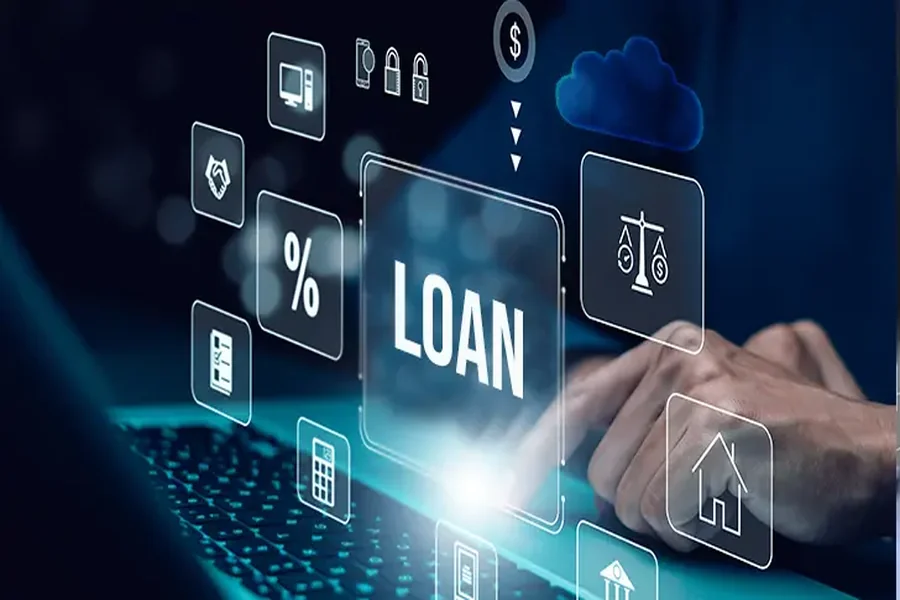
It might sound like a plot straight out of a futuristic thriller: you apply for a loan, and within moments, an algorithm scans your digital footprint before approving funds. But across the UK and worldwide, artificial intelligence is rapidly reshaping the landscape of loans. This transformation goes far beyond just faster approvals or sleeker apps. AI-powered lending is redefining what it means to borrow — and introducing new risks and opportunities that tech-savvy consumers need to navigate.
Data is the engine driving this revolution. While traditional underwriting typically depends on credit scores and payslips, AI models analyze a much broader range of information, from spending habits to online activity. For instance, some lenders now tap into open banking data, social media signals, and even your typing patterns on application forms. Picture a recent university graduate who’s just landed her first digital marketing job and lacks a robust credit history. Where a high street bank might decline her application, an AI-driven lender could assess her online freelance income, regular rent payments, and spending trends — unlocking access to credit she might otherwise miss out on. Startups like Zopa and Upstart, for example, use alternative data to approve thousands of applicants overlooked by traditional banks.
How AI Decisions Are Reshaping Borrower Experience
AI-powered lending platforms promise more than just speed. Many digital lenders highlight that their algorithms can identify reliable borrowers who fall outside traditional criteria. This opens up credit for groups long underserved by mainstream banks, such as gig economy workers, freelancers, or new arrivals to the UK without an established credit file. Digital mortgage platforms, as detailed in how digital mortgage platforms are changing the home loan experience, exemplify this shift. By leveraging AI, these platforms process applications with agility and adaptability that conventional processes can’t match — sometimes delivering mortgage decisions in a matter of hours instead of weeks.
However, these advances come with significant caveats. While AI can promote inclusion, it can also reinforce or amplify biases present in its training data. In the US, for instance, several fintech lenders have faced scrutiny after their algorithms appeared to offer less favorable rates to minority applicants. For borrowers, the reasons behind AI lending decisions can be frustratingly murky. Even industry insiders sometimes struggle to unpack why a machine learning model made a specific judgment, raising concerns about transparency and fairness.
What Tech-Savvy Borrowers Should Watch Out For
For digitally fluent consumers, AI-driven lending brings both newfound freedom and emerging challenges. Privacy is a growing worry. The vast amount of data required to feed AI models marks a significant change in how personal information is gathered and leveraged. If you’ve ever linked a bank account to an app for a credit check, your data may well be helping to train an algorithm. Increasingly, these systems also evaluate public online profiles, meaning your digital persona—tweets, LinkedIn updates, or even online reviews—could subtly influence your loan eligibility.
Regulators are racing to keep pace. In the UK, ongoing debate centres on how to balance innovation with consumer protection and transparency. Recent developments, such as tech firms facing tougher UK rules on intimate image abuse, illustrate just how quickly regulation is evolving in digital arenas — and why borrowers must stay alert to their rights and responsibilities.
It’s smart to scrutinise privacy policies and ask lenders about what data they use and how decisions are made. Some providers have begun offering more detailed explanations of how credit scoring works, but the level of transparency still varies widely. For the tech-savvy, gaining a basic understanding of how algorithmic decisions are made — and recognizing the potential for errors or bias — is now just as crucial as comparing APRs or loan terms.
The Future: Smarter, Safer, But Still Human?
With AI already revolutionizing digital lending, what’s next for the sector? Expect even deeper personalization. AI models continue to grow in sophistication, interpreting not only financial data but also contextual and behavioral signals. Imagine a scenario where an AI spots that a loan application comes from an unfamiliar device at 3 a.m. and automatically triggers a security check, or a chatbot that reviews your spending and suggests steps to improve your borrowing prospects. Some banks are already piloting these features, aiming to reduce fraud and boost financial literacy.
Yet, experts caution that fully automated lending isn’t a cure-all. Human oversight remains essential, especially in complex or unusual cases where algorithms might misread the situation. For example, someone with a patchy financial history due to taking time out to care for a sick family member may be better understood by a human reviewer than an AI. The future will likely see more hybrid models, blending the speed of machines with the empathy and judgement of people — a trend already visible in fintechs like Monzo and Starling Bank.
Another emerging focus is ‘explainable AI’, with new tools designed to make algorithmic decisions clearer and easier to audit. For tech consumers, this could help build trust — and provide more insight into how their online actions might sway future lending outcomes.
Practical Steps for Tech-First Borrowers
If you’re thinking about a digital loan, several practical steps can help you stay ahead. First, actively manage your digital footprint: regularly check what financial and personal data you share online, and review permissions on financial apps. Second, don’t be afraid to ask lenders for details about how their AI makes decisions — responsible providers will be happy to answer. Third, be aware that even your social media presence or online reviews might factor into your eligibility, so consider what you post publicly.
Finally, keep abreast of regulatory changes. As the conversation around AI and data privacy accelerates, new consumer protections and standards will continue to emerge. Staying informed empowers you to benefit from rapid innovation, while sidestepping hidden risks in the digital lending world.
AI is making loans faster, more accessible, and in many cases, fairer for the tech-forward. But as with all new technology, the best way to benefit is to understand both the possibilities and the pitfalls — and stay informed as the algorithms continue to evolve.