

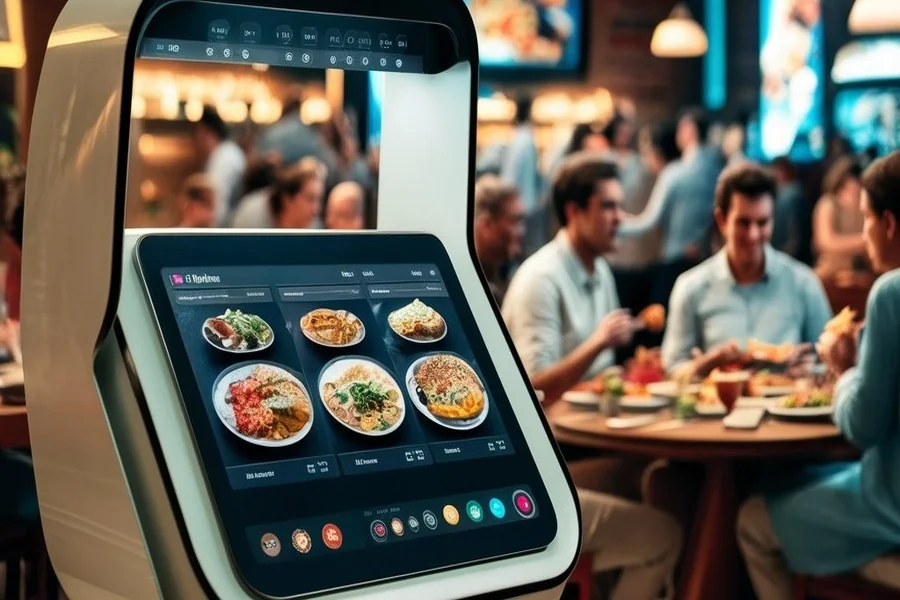
If you’d stepped into a local bistro or a bustling QSR five years ago, a digital screen might have felt like a futuristic novelty. Fast-forward to 2026, and the landscape has shifted entirely. What used to be a “nice-to-have” is now foundational infrastructure. As hospitality faces the ongoing “hard yakka” of rising labour costs and a customer base that values speed as much as seasoning, the self service kiosk for restaurants has become the industry’s most reliable employee.
Choosing the right system in 2026 isn’t just about picking a sleek screen; it’s about selecting a digital partner that can handle the complexity of modern dining. Whether you’re running a boutique cafe or a nationwide franchise, here is your definitive guide to getting your kiosk strategy sorted.
What to expect from a modern self service kiosk for restaurants
A kiosk in 2026 must be more than a digital menu. It ought to be an integrated ordering centre, and a seamless integration to your kitchen and business systems.
A modern kiosk must:
- Process large volumes of transactions.
- Securely support digital payments.
- Connect with POS and kitchen displays.
- Instant accommodation to menu changes.
- Provide a seamless customer experience.
What to Consider Before Selecting a Kiosk
1. Ease of use for customers
The customers are supposed to take less than one minute to make an order. Look for:
- Clean, intuitive interfaces
- Expansive touch screens.
- Articulated modifiers and eating choices.
- Simple checkout flows
When patients require more time or give up on orders, the kiosk design is failing to fulfill its purpose.
2. POS and kitchen integration
A self service kiosk for restaurants must integrate directly with your POS system and kitchen workflows. Orders are to flow automatically to:
- Kitchen display systems (KDS)
- Printers (where required)
- Inventory tracking tools
Isolated systems result in mistakes, time wastage, and employee frustration.
3. Flexibility and security of payment
The customers desire options and safety. A kiosk should support:
- Contactless cards
- Mobile wallets
- QR or loyalty payments
According to Statista, over 90% of consumers now prefer contactless or digital payment methods when available. Thus, end-to-end encryption and PCI-compliant processing are non-negotiable.
4. AI-driven upselling and personalisation
AI-driven kiosks outperform static menus by adapting suggestions in real time. These systems:
- Recommend add-ons
- Promote high-margin items
- Adjust offers based on time of day or order history
This intelligence directly impacts revenue without increasing labour costs.
Hardware Considerations That Matter
Not all kiosks suit every restaurant environment. Hardware selection should reflect traffic levels, space constraints, and operational intensity.
| Feature | Why it matters |
| Commercial-grade screens | Withstand constant use |
| Spill-resistant design | Handles food and drink environments |
| Secure mounting | Prevents tampering |
| Thermal management | Ensures reliability during peak hours |
Software Features to Prioritise
Software determines whether a kiosk becomes an asset or a headache.
1. Essential software capabilities
- Real-time menu updates
- Multi-language support
- Remote monitoring and updates
- Detailed analytics dashboards
Analytics matter more than ever. Data from kiosks helps restaurants understand:
- Ordering behaviour
- Peak times
- Menu performance
- Conversion rates
2. Accessibility and compliance
Inclusive design improves usability for everyone. Look for:
- Adjustable font sizes
- Clear contrast modes
- Simple navigation
Accessible kiosks expand your customer base while meeting evolving expectations around inclusivity.
3. Cost vs long-term value
Price alone shouldn’t drive the decision. Consider the total value over time.
| Cost factor | Short-term view | Long-term impact |
| Hardware price | One-off | Affects reliability |
| Software licensing | Ongoing | Drives features |
| Maintenance | Preventative | Reduces downtime |
| Analytics | Often overlooked | Increases profitability |
What success looks like in 2026
A well-chosen self service kiosk for restaurants:
- Reduces queue times
- Increases average order value
- Improves order accuracy
- Supports staff, not replaces them
- Creates a smoother customer journey
The most successful restaurants use kiosks as part of a connected ecosystem, not as standalone devices.
Summary: Your 2026 Kiosk Checklist
Before signing that contract, run through this quick “sweet as” checklist:
- Does it integrate natively with my current POS?
- Is the AI capable of “smart upselling,” or is it just a digital list?
- Can I update the menu across all devices from a single cloud dashboard?
- Does the hardware have a high “MTBF” (Mean Time Between Failures)?
- Is there 24/7 local support if the system goes “down the gurgler” during a rush?
The Bottom Line
Choosing a self service kiosk for restaurants in 2026 is a strategic pivot towards a more resilient business model. It solves the labour puzzle, drives higher revenue through intelligent upselling, and most importantly, meets the guest exactly where they want to be: in control of their own experience.
Investing in the right tech today means you can spend less time worrying about the till and more time focusing on the quality of the kai and the warmth of the service.