

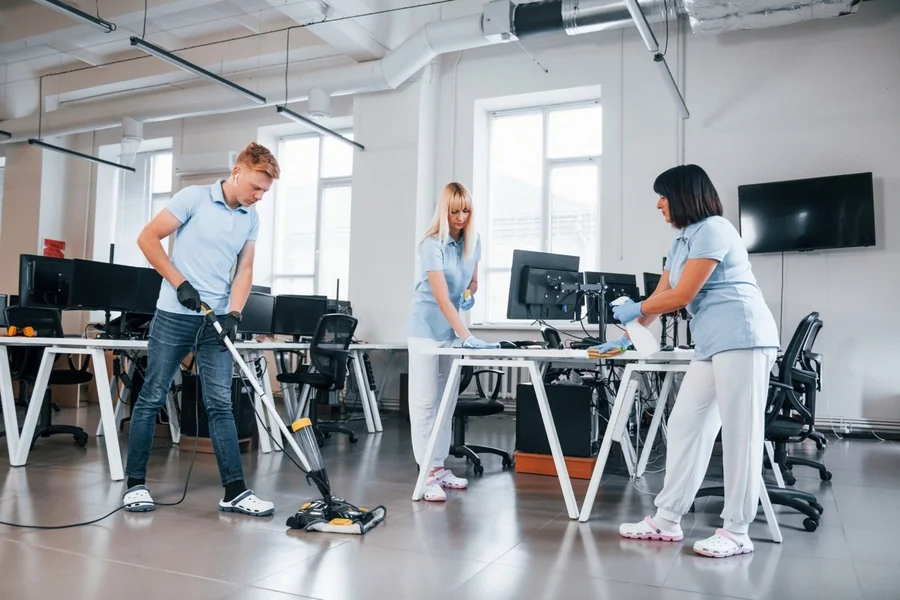
Shared and multi-tenant commercial buildings present unique challenges when it comes to cleanliness. Unlike single-tenant facilities, these environments are used by multiple businesses, teams, and visitors throughout the day—each with different expectations, schedules, and levels of responsibility. In these settings, cleanliness is not just about appearance; it is about coordination, accountability, and maintaining harmony among occupants.
When cleaning is handled effectively, shared buildings function smoothly. When it is neglected, small issues quickly escalate into tenant dissatisfaction, complaints, and reputational damage for property owners and managers. This article explores why cleanliness is critical in multi-tenant environments and how consistent cleaning supports tenant satisfaction, operational efficiency, and long-term property value.
Why Shared Spaces Require a Higher Cleaning Standard
Multi-tenant buildings experience heavier use than most single-tenant spaces. Hallways, elevators, restrooms, lobbies, and common areas are accessed by dozens—or even hundreds—of people daily.
This increased traffic leads to:
- Faster accumulation of dirt and debris
- Higher exposure to germs and bacteria
- Greater wear on flooring and fixtures
- More frequent spills and surface contamination
Because these spaces are shared, no single tenant feels full ownership over cleanliness. Without a structured cleaning plan, responsibility becomes unclear, and standards decline quickly.
Cleanliness and Tenant Satisfaction
Tenant satisfaction is directly tied to how well shared spaces are maintained. While tenants control their private offices or suites, their perception of the building is heavily influenced by common areas.
Clean, well-maintained shared spaces signal that the property is professionally managed. Tenants feel confident welcoming clients, customers, and employees into the building.
Neglected common areas, however, create frustration. Tenants may feel that they are paying for services that are not being delivered. Over time, this dissatisfaction can lead to complaints, strained relationships, and increased tenant turnover.
Cleanliness becomes a retention tool—one that supports long-term occupancy and stable revenue.
The Role of Cleanliness in First Impressions
In multi-tenant buildings, common areas often serve as the first point of contact for visitors. Lobbies, entrances, and elevators shape perceptions before anyone reaches a specific business.
A clean, organized lobby communicates professionalism and care. Visitors associate the quality of the building with the quality of the businesses inside it.
If common areas are dirty or poorly maintained, even well-run tenants may suffer from negative associations. Cleanliness protects not only the property’s reputation but also the reputations of the businesses operating within it.
Managing Hygiene in High-Touch Areas
Shared environments have an abundance of high-touch surfaces that require regular attention. These include:
- Door handles and push plates
- Elevator buttons and handrails
- Restroom fixtures
- Shared seating and tables
Without consistent sanitation, these areas become hotspots for germs. Illness can spread quickly through a building, impacting multiple tenants at once.
Routine professional cleaning reduces health risks and helps create safer environments for employees and visitors. This is especially important in buildings with medical offices, coworking spaces, or high public traffic.
Avoiding Conflict Between Tenants
Cleanliness issues are a common source of conflict in shared buildings. When standards are unclear or inconsistently enforced, tenants may blame one another for messes, odors, or maintenance problems.
A professional, centralized cleaning plan removes this friction. When cleaning responsibilities are clearly defined and handled consistently, disputes decrease.
Tenants feel confident that shared spaces are being managed fairly and professionally, reducing tension and improving overall building harmony.
Supporting Property Value and Marketability
Cleanliness plays a major role in how a property is perceived in the market. Prospective tenants touring a building pay close attention to shared spaces.
Well-maintained common areas suggest:
- Active property management
- Reliable maintenance practices
- Higher overall building standards
These perceptions make properties more attractive, support competitive leasing rates, and shorten vacancy periods.
Neglected spaces, by contrast, can make properties harder to lease—even if individual units are well-designed.
Consistency Is More Important Than Frequency
In shared environments, consistency matters more than occasional deep cleaning. Tenants notice patterns. A building that is sometimes clean and sometimes neglected creates uncertainty and frustration.
Consistent cleaning schedules ensure that:
- Trash is removed regularly
- Restrooms remain sanitary
- Floors stay presentable
- Odors are controlled
This predictability builds trust between tenants and property management.
Why Professional Cleaning Is Essential for Shared Buildings
Shared buildings require a level of coordination and expertise that informal or ad-hoc cleaning cannot provide. Professional cleaning services bring structure, accountability, and experience.
Professional cleaners:
- Follow standardized checklists
- Understand high-traffic cleaning priorities
- Use appropriate products for different surfaces
- Adapt schedules to building usage patterns
This ensures that shared spaces are maintained without disrupting tenant operations.
For property managers and building owners in Charlotte, working with a reliable provider like Smiley’s Cleaning Services helps ensure that common areas consistently meet tenant expectations while protecting the long-term value of the property.
Cleanliness and Operational Efficiency
Clean shared spaces contribute to smoother daily operations. Elevators function better when tracks are clean. Restrooms require fewer emergency repairs when maintained properly. Floors last longer when dirt and debris are removed consistently.
These efficiencies reduce maintenance costs and minimize unexpected disruptions that affect multiple tenants at once.
Clean buildings are easier to manage and less expensive to operate over time.
The Connection Between Cleanliness and Safety
Safety is a shared responsibility in multi-tenant environments. Dirty or cluttered spaces increase the risk of slips, trips, and falls—especially in entryways, stairwells, and corridors.
Routine cleaning:
- Removes debris from walkways
- Identifies hazards early
- Keeps floors dry and visible
- Supports compliance with safety standards
By prioritizing cleanliness, property managers reduce liability and create safer environments for everyone in the building.
Building Trust Through Visible Care
Tenants may not always comment when cleanliness is excellent, but they notice when it declines. Visible care—such as clean restrooms, polished floors, and fresh-smelling common areas—signals that the property is actively managed.
This trust encourages long-term leases, positive referrals, and cooperative relationships between tenants and management.
Final Thoughts
Cleanliness is the backbone of successful shared and multi-tenant commercial buildings. It supports tenant satisfaction, protects property value, reduces conflict, and creates environments where businesses can thrive side by side.
By investing in consistent, professional cleaning, property owners and managers demonstrate commitment to quality and accountability. In shared spaces, cleanliness is not optional—it is essential to stability, reputation, and long-term success.