

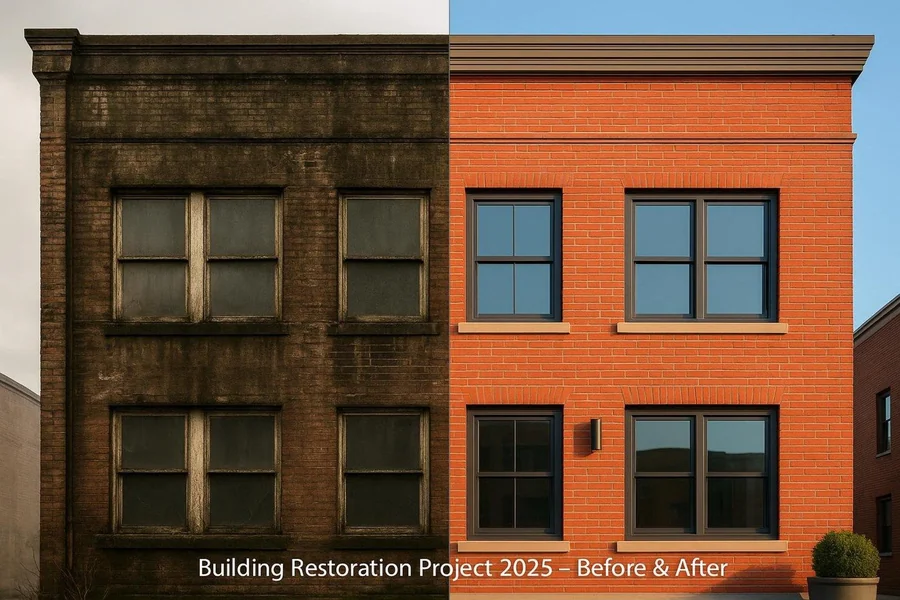
In a crowded market, first impressions can shape a business’s success. Façade restoration for workspaces and retail centers is not just about looks; it is a smart investment that affects property value, tenant demand, customer views, and long-term finances. Your building’s exterior is like a business card-what is it saying to everyone who sees it?
With today’s changing economy, shifting interest rates, and new occupancy trends, owners and managers should focus on ways to improve their buildings. Strategic facade restoration is one of the best tools for this, so each dollar spent protects the property and adds value at the same time.
What Is Façade Restoration?
Façade restoration is the repair, careful cleaning, and preservation of a building’s exterior. Whether the property uses brick, stone, stucco, or modern glazed tile, restoration goes far beyond a quick face-lift. It fixes weathered or damaged areas, highlights historic and architectural details, and helps stop problems like water leaks that can lead to mold or rot.
The goal is to extend the life of original materials and, when needed, upgrade parts to meet today’s standards without losing the building’s character. This work often uses special methods and materials to keep both structure and appearance in good shape.
Facades and First Impressions: Impact on Commercial Property
Your exterior reflects your brand and the quality of your services. It is the first thing visitors, customers, and potential tenants see, and it strongly shapes how they feel about the place. A clean, well-kept façade shows care and professionalism, making the property more attractive to tenants and shoppers.
A run-down exterior, on the other hand, can turn people away. Many shoppers say a business’s outside look is a main factor in choosing where to go, and more than half avoid places that look poorly maintained. In a tough market, a strong first impression can give you an edge.
The Role of Building Exteriors in Tenant and Customer Perception
Beyond the first glance, the exterior keeps shaping tenant satisfaction and customer loyalty. For workspaces, a neat façade shows that the landlord invests in the property and cares about the work setting. Partnering with experienced exterior restoration teams like Nova Construction Services helps ensure that impression stays strong. This can be a key reason businesses choose to stay or sign a lease, especially with recent shifts in office use.
For retail centers, the exterior acts like an ad. Clean, inviting storefronts and entries bring in foot traffic and encourage people to stay longer. It affects whether someone walks in or walks by, which directly affects sales. The exterior is more than a shell; it affects business results every day, regardless of age.
Common Challenges and Risks of Neglecting Façade Restoration
Ignoring small signs of wear on a façade can lead to bigger problems, both seen and unseen. These issues hurt appearance and can also create financial, structural, and reputation risks that grow fast if no action is taken.
Putting off maintenance may look like a quick way to save money, but it often costs more later. Knowing how damage builds and what can happen if you wait is important for any owner or manager.
How Façade Damage Accumulates Over Time
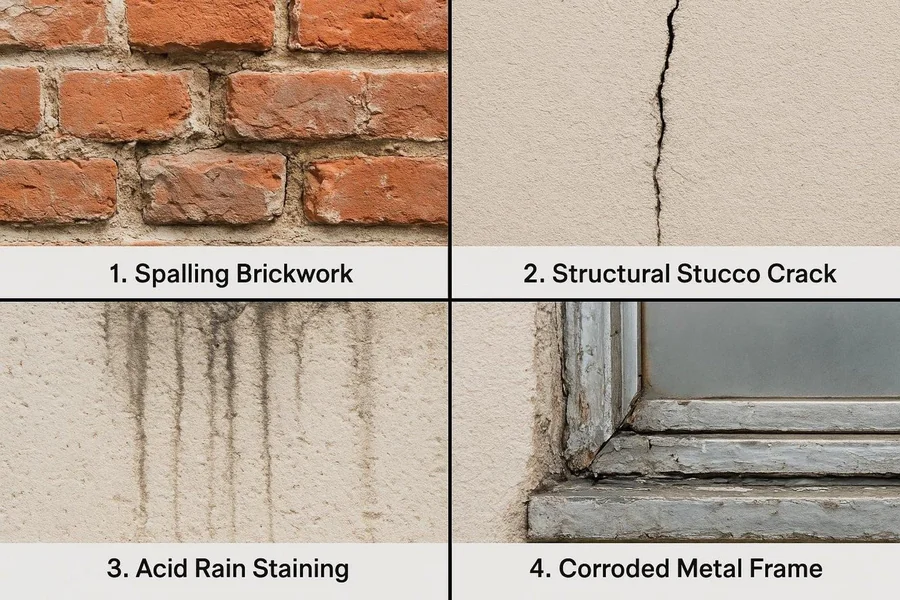
Façade damage builds slowly over months or years. It is easy to miss until the problems become serious. Age, original materials, and texture all affect how fast damage shows. For example, older masonry may develop cracked mortar or loose pieces.
Weather and the environment also play a big role. Heat, cold, wind, and rain stress the exterior. Pollution from acid rain and industry, plus oxidation, wear down surfaces. In coastal areas, salt and organic deposits speed up decay. Over time, this leads to etching, hard water stains on glass, faded frames, and dirt that hides deeper damage.
| Factor | Common Effects | Examples |
| Age & materials | Cracks, loose elements | Cracked mortar, spalling brick |
| Weather | Thermal movement, moisture entry | Freeze-thaw cracking, warped seals |
| Pollution | Surface wear, staining | Acid rain etching, oxidation |
| Location | Faster decay | Salt damage near coasts |
Potential for Costly Emergency Repairs
A big risk of neglect is paying for emergency repairs. A small crack or leak can grow into a major structural issue. Minor work that gets delayed can turn into a repair that costs ten times more, and it can cause other damage inside the building. Water that gets in can weaken the structure and raise the chance of falling debris or full façade failure.
Preventive maintenance usually costs less. Fix small problems early so they do not become emergencies. Waiting often means higher bills, more disruption, and downtime for tenants and shops.
Reputation Risks for Neglected Exteriors
Exteriors send a message about the businesses inside and the people managing the property. A neglected façade can hurt reputation and turn off tenants and customers. If a building looks poorly kept, people may see it as careless or unstable, and many will stay away.
Also, heavy deterioration can become a safety risk. Owners may be held responsible if someone gets hurt because of overlooked damage. Beyond legal costs, such events hurt public trust and make it harder to attract or keep tenants.
How Façade Restoration Improves Curb Appeal and Brand Image
In a competitive market, standing out matters. The façade is the most visible part of a building, and its condition shapes how people view it. Façade restoration is not just about fixing; it is about planned improvements that raise visual appeal and help a property stand out.
By turning an old or weathered exterior into a fresh, modern, or historically accurate front, owners can boost curb appeal and strengthen their brand.
Curb Appeal as a Competitive Advantage
Curb appeal is a real advantage. A clean, well-kept exterior signals quality and care, making a property more attractive in a busy real estate market. This matters even more today, as managers work to show that their buildings are strong, worthwhile assets.
A better exterior sets a building apart from others and draws tenants and customers. It shows professionalism and success, which can shape decisions long before people step inside.
Influence on Foot Traffic and Customer Loyalty
For retail centers, curb appeal and results go hand in hand. An inviting façade brings more people through the door. Shoppers prefer places that look clean, modern, and cared for. One survey found that 95% of consumers see exterior appearance as a main factor in choosing where to shop, and more than half avoid businesses with poorly kept exteriors.
Beyond the first visit, a strong exterior supports satisfaction and loyalty. A business that looks well cared for builds trust and encourages repeat visits. This creates a cycle that lifts sales and boosts community standing.
Financial Benefits of Maintaining and Restoring Facades
Beyond looks and brand impact, façade restoration brings strong financial gains that often exceed the upfront cost. With rising expenses across real estate, planned façade care is a key part of keeping commercial properties financially healthy.
It helps raise property values, cut operating costs, and make buildings more appealing to buyers, tenants, and investors.
Does Façade Restoration Increase Property Value?
Yes. Steady façade maintenance can raise a property’s value by a large margin. Commercial firm Eddisons notes that keeping major visual elements like the façade in good shape can lift values right away.
Regular checks and exterior updates protect and grow market value, leading to better returns. This is especially strong for older or historic buildings, where careful restoration can highlight unique features that buyers love.
In crowded markets, a well-kept exterior helps a building stand out as a sound, well-cared-for asset. That can lead to faster sales and higher prices.
Reducing Long-Term Repair Costs
Preventive façade work is one of the simplest ways to cut long-term costs. Fixing small cracks, failing sealants, or leaks early keeps them from turning into big, expensive problems. In many cases, minor work delayed becomes a major repair at ten times the cost, sometimes with extra damage elsewhere.
Regular inspections and maintenance help catch and correct small flaws before they harm structure or cause heavy water damage, rot, or rust. This smart approach limits the need for disruptive, time-consuming overhauls later.
Higher Rentability and Occupancy Rates
Good curb appeal makes a building more attractive to tenants, which helps with rentability and occupancy. In a competitive rental market, a property that looks great can raise rental income. Owners of well-kept buildings often earn higher rents that can cover the cost of the work.
For offices, a strong exterior suggests a quality interior and responsive management, which helps attract and keep tenants. For retail, an inviting exterior brings in more shoppers, making the spot more appealing to businesses that want foot traffic.
Energy Efficiency and Environmental Impact
Façade restoration also improves day-to-day performance and lowers environmental impact. Modern methods and materials can boost energy efficiency, cut utility costs, and support sustainability goals.
With growing focus on climate and energy use, improving the building envelope is an important part of good property management.
Improving Insulation and Reducing Energy Costs
The façade is a key part of the building envelope, and its condition affects energy use. Cracks, gaps, and worn materials cause heat loss in winter and heat gain in summer. That makes HVAC systems work harder and use more energy. Sealing windows and restoring glass can greatly improve performance.
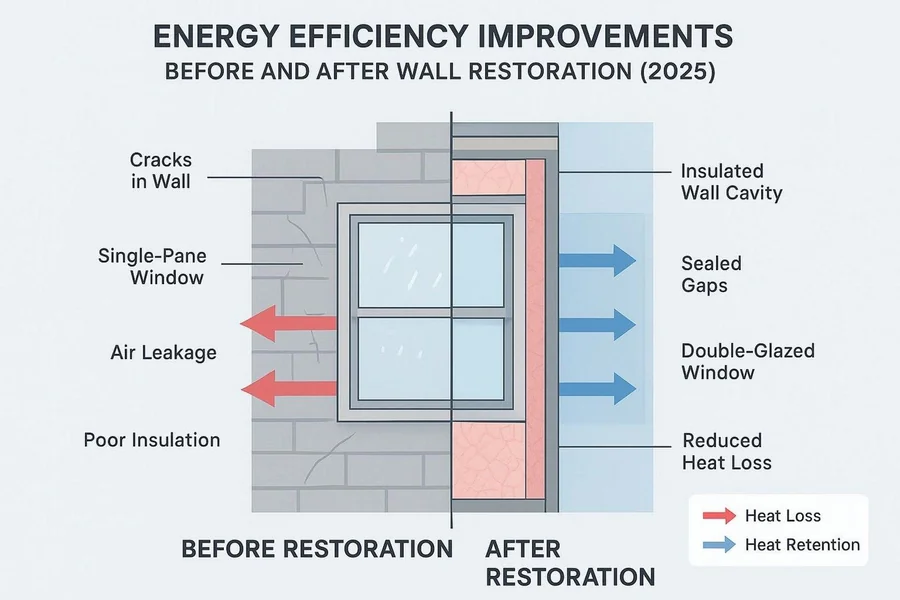
For glass curtain walls, proper cleaning and care allow more natural light and help keep heat inside. Since windows can account for 30% or more of total heat loss, these steps can quickly lower energy bills and carbon output. Adding efficient wall systems, doors, and windows can improve insulation even more.
Preserving Materials and Supporting Sustainability
Façade restoration is a sustainable choice. Reusing existing structures and keeping original materials reduces landfill waste and the need for new resources. Research from University College London suggests that restoration can cut a structure’s total carbon emissions over its life by up to 40% compared to full replacement.
This approach favors keeping as much of the building as possible without hurting energy or resource efficiency. It also makes the most of the energy already “stored” in the original construction instead of spending more on demolition and new builds.
Meeting Modern Energy Standards Through Restoration
Many older buildings were built before strict energy codes. Restoration gives owners a chance to upgrade to today’s requirements. Options include continuous insulation systems like StoTherm® ci for added efficiency.
Other upgrades include energy-efficient windows that fit the original frames, better ventilation and insulation using discreet materials, and moisture-resistant sealants. These steps cut operating costs and help meet changing codes and environmental rules, preparing the property for the future.
Safety and Structural Integrity
Looks and money matter, but safety and structure come first. A failing façade is not just ugly; it can be dangerous, leading to accidents, legal trouble, and major structural failure.
Timely restoration addresses these key issues, protects people, preserves investments, and keeps the building within required standards.
Preventing Hazards With Timely Façade Repair
Damage builds slowly and can lead to serious hazards if ignored. Dirt and debris hide flaws like deterioration, corrosion, and cracks, so people may miss them until they are serious. Water leaks weaken the structure and raise the chance of falling pieces or major failure.
Timely repair cuts these risks. Fix loose masonry, failing sills, and weak parapets early to prevent accidents. This protects tenants, customers, and pedestrians and reduces the chance of injuries and the costs that follow.
Compliance With Building Codes and Regulations
Owners and tenants often have legal duties to keep façades safe. Codes and rules, especially in historic districts, set clear standards for structure and materials. Restoration helps meet these standards and avoids fines, closures, or disputes. The work includes finding and fixing damage that can cause leaks or moisture buildup, such as cracks or failed sealants.
For historic properties, the work must protect original looks while meeting modern safety and access rules. Careful upgrades keep buildings useful and safe without losing character.
Extending the Lifespan of Commercial Buildings
Façade restoration is an investment in a building’s life. Repairing, cleaning, and preserving the exterior improves safety, performance, and lifespan. It keeps small issues from growing into big ones that need early demolition or large, disruptive projects.
Fixing cracked mortar, rusting metal, or movement early helps original materials last longer. This steady care keeps the building sound, weather-resistant, and attractive for decades, protecting the investment and its place in the community.
Best Practices for Façade Restoration in Commercial Spaces
Starting a façade restoration project takes a clear plan to get lasting results and a good return. Every property is different, so needs and steps will vary. Following best practices helps owners handle the details from first check to material choice and long-term care.
With steady upkeep, informed decisions, and lessons from successful projects, buildings can look great and stay strong.
Routine Assessment and Preventive Maintenance
The core of good façade care is a strong program of regular checks and preventive maintenance. Damage often grows slowly, so inspections by trusted providers matter. During checks, look closely for:
- Surface issues: warping, cracking, loose fasteners
- Movement: settlement or shifting
- Moisture: leaks around doors, windows, vents
- Sealants: gaps, peeling, or missing sections
- Roof items: copings and flashings
- Drainage: clear gutters, downspouts, and drains
- Pollutants: buildup that may hide deeper damage
Keep good records of findings and past work. Early action based on these records helps stop small problems from turning into costly repairs.
Choosing Materials and Techniques for Lasting Impact
Material choice and repair methods are important for long-term results. Good practice is to keep the building’s architecture while repairing and retaining original features. Parts that are beyond repair or fail to meet current codes should be upgraded or replaced. New materials should match the old color, texture, design, and material where possible, especially for historic buildings.
Modern solutions can improve sustainability, energy performance, safety, and durability. Examples include thermal storefront systems, double-glazed windows, and moisture-resistant sealants. For special issues, consider metal restoration, professional glass restoration for etching or hard water stains, and stone cleaning and sealing. Use cleaning methods that are safe for the surface and kind to the environment.
Examples of Successful Restoration for Workspaces and Retail Centers
Many projects show the value of this work. The Chicago Avenue project, where a mixed-use property received a full façade repair, energy-efficient glazing, and structural fixes, quickly drew new commercial tenants.
Another example, the Logan Certified project, converted an empty grocery store into a live/work compound by removing old panels, restoring original brick, and adding new glazing for light and airflow. These projects revive properties and add energy and economic health to their neighborhoods.
They show that respect for original design plus smart modern upgrades can create attractive, high-performing, and sustainable spaces that appeal to tenants and customers.
Façade Restoration and Historic Preservation
Many workspaces and retail sites sit in buildings with historic value. In these cases, façade restoration has an extra challenge: keep the heritage while meeting today’s needs. The goal is to honor the past and still keep the property safe, useful, and viable.
This type of work brings benefits to owners and to the wider community.
Retaining Architectural Character
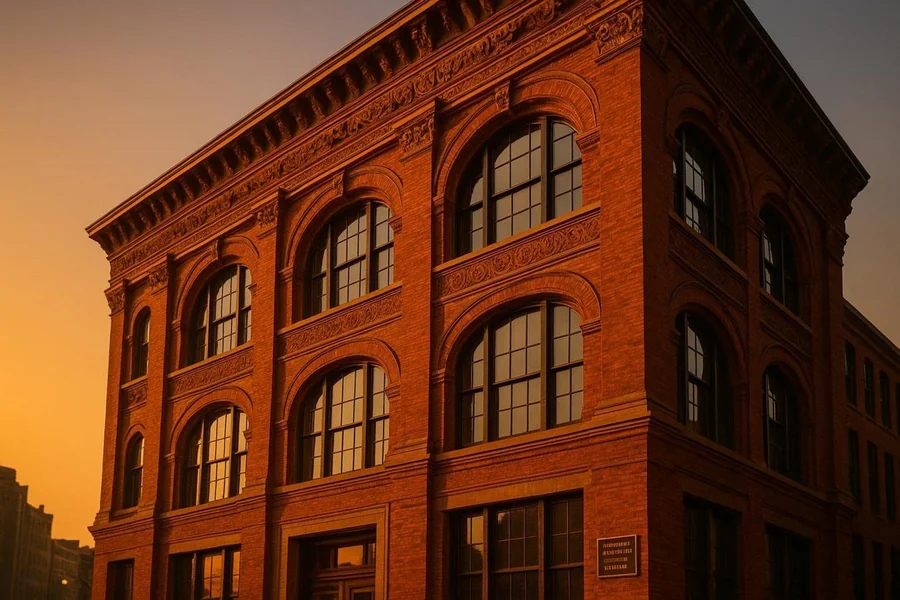
For historic buildings, keeping the original character is a main goal. The façade sets the style and anchors a neighborhood’s look. Chicago, for example, is known for limestone steps, masonry arches, and detailed stonework. Restoration focuses on preserving these features, often through careful repair of historic masonry.
When parts must be replaced, aim to match the original look, color, texture, and design as closely as possible. This keeps the story of the building alive and protects the area’s unique identity.
Economic and Cultural Benefits for Communities
Preserving and restoring historic architecture brings economic and cultural gains. Restored buildings draw businesses, raise property values, and fill faster. They also support tourism and community pride by keeping the true look of Main Street and heritage blocks.
Beyond money, these projects protect local history and identity. They connect people to the past and highlight the architecture that makes a place unique.
Balancing Heritage and Modern Needs in Retail and Office Environments
The challenge is to keep historic looks while adding modern function. Owners can install energy-efficient windows that work with original frames, improve ventilation and insulation with discreet materials, and update sealants to keep out moisture.
The National Historic Preservation Act and the Secretary of the Interior’s Standards outline approaches like Preservation, Rehabilitation, Reconstruction, and Restoration. These allow needed code work and careful upgrades to electrical, plumbing, and mechanical systems while keeping historic value. It takes skill to blend traditional craft with modern building science for lasting results.
Key Takeaways: Investing in Façade Restoration for Future Success
Investing in façade restoration for workspaces and retail centers is more than routine upkeep; it is a smart move that supports long-term success and sustainability. In a changing economy, the exterior acts as the property’s public face, shaping first impressions and long-term performance.
By acting early on façade needs, owners protect the asset and raise its value while helping the local area. The benefits include stronger tenant and customer demand, higher property values, and lower operating costs. This work also supports the environment by extending the life of existing structures and meeting today’s energy standards. A well-kept façade is a sign of quality, care, and forward-looking management-helping commercial properties stay vibrant, safe, and financially sound for years to come.