

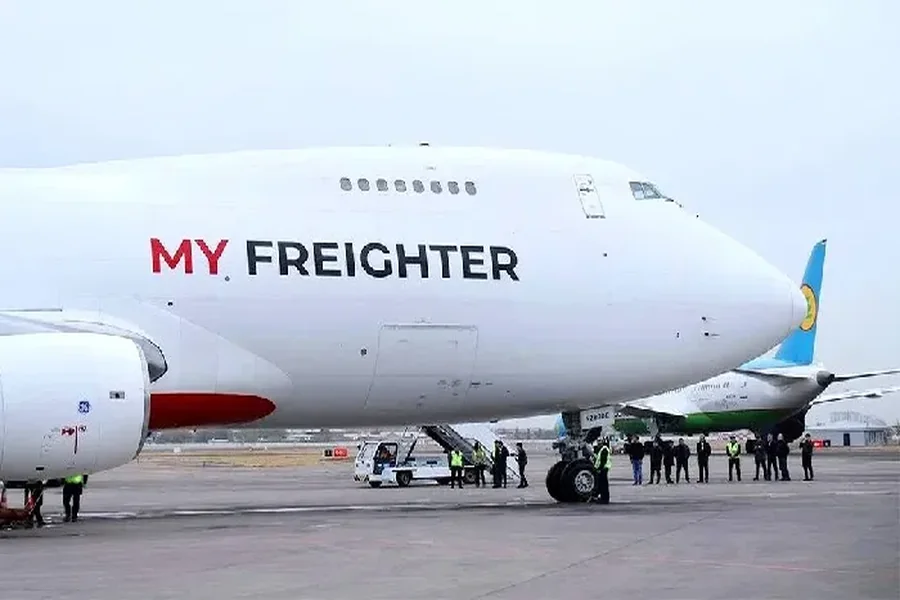
Central Asia is rapidly transforming into a strategic region for global trade, with Uzbekistan emerging as a focal point for air cargo operations. Companies looking to optimize their supply chains in the region increasingly rely on professional services such as https://luftfracht-global.de/aviacargo-usbekistan, which provide reliable and efficient air freight solutions. The country’s expanding aviation infrastructure, coupled with its strategic geographic position, positions Uzbekistan as a key hub connecting Europe, Asia, and the Middle East.
Uzbekistan’s Strategic Location for Air Freight
Uzbekistan sits at the heart of Central Asia, sharing borders with Kazakhstan, Kyrgyzstan, Tajikistan, Afghanistan, and Turkmenistan. Its central position makes it an ideal point for cargo distribution across the region and for transit between Europe and Asia. This geographic advantage allows airlines and logistics providers to offer faster delivery times, optimize routes, and increase the efficiency of cross-border trade.
The government’s investment in airport infrastructure, including upgrades to Tashkent International Airport and regional facilities such as Samarkand and Navoi, supports this strategic positioning. Modern terminals, expanded runways, and enhanced cargo handling capabilities make Uzbekistan increasingly attractive to international freight operators.
Growing Air Cargo Volumes and Market Demand
In recent years, Uzbekistan has experienced substantial growth in air cargo volumes. Key sectors driving this increase include electronics, textiles, perishables, pharmaceuticals, and e-commerce goods. The growth is fueled by both domestic demand and increasing export activity to Europe, China, and the Middle East.
Air freight offers a critical advantage for time-sensitive and high-value goods, ensuring faster transit than road or rail alternatives. Companies that leverage air transport benefit from improved inventory turnover, reduced storage costs, and the ability to respond quickly to market demands.
Infrastructure Developments Supporting Aviation
Uzbekistan’s airport modernization program has been instrumental in supporting air cargo expansion. Tashkent International Airport, the largest in the country, has invested in advanced cargo terminals, temperature-controlled storage facilities, and digital tracking systems. Regional airports, including Samarkand and Navoi, have been upgraded to handle increased freight volumes and larger aircraft.
These infrastructure developments enable seamless multimodal integration, where goods can transition efficiently between air, road, and rail networks. Improved logistics hubs reduce delays, streamline customs procedures, and increase reliability for both domestic and international shippers.
Air Freight Services and Logistics Solutions
Professional logistics providers play a pivotal role in Uzbekistan’s emergence as an air cargo hub. Companies like Luftfracht Global offer tailored services, including freight consolidation, customs management, cargo insurance, and real-time tracking. These solutions allow businesses to optimize supply chains, reduce operational risks, and ensure timely delivery of goods.
Air cargo operators also facilitate specialized transport, such as temperature-sensitive perishables, hazardous materials, and oversized shipments. With growing demand for high-value goods in Central Asia, these services are essential for maintaining product quality and safety.
Customs and Regulatory Enhancements
Efficient customs procedures are crucial for the smooth operation of air freight services. Uzbekistan has introduced digital documentation systems, pre-clearance options, and streamlined inspection protocols to reduce cargo processing times. These measures enhance predictability and transparency for logistics providers and shippers alike.
By partnering with experienced operators, businesses can navigate the regulatory environment effectively, ensuring compliance with both local and international standards while minimizing delays.
E-Commerce and Air Freight Integration
The rise of e-commerce in Uzbekistan and neighboring countries has created new opportunities for air cargo services. Online retailers require fast, reliable, and traceable shipping solutions to meet consumer expectations. Air freight enables shorter delivery windows, making international e-commerce more viable and competitive.
Integrated logistics services, including warehousing, order fulfillment, and last-mile delivery, complement air freight operations. This integration allows businesses to manage inventory efficiently, respond to customer demand, and expand their market reach across Central Asia.
Sustainability in Air Freight
Environmental sustainability is increasingly important in global logistics. Uzbekistan’s aviation sector is adopting modern technologies to improve fuel efficiency, reduce emissions, and optimize flight operations. Airlines are implementing route optimization, efficient load management, and updated fleet operations to minimize the carbon footprint of air cargo shipments.
Sustainable practices not only benefit the environment but also enhance operational efficiency and reduce costs. Companies that prioritize eco-friendly transport solutions gain competitive advantages in global markets, aligning with growing regulatory and consumer expectations.
Challenges in Central Asian Air Cargo
Despite significant progress, air freight in Central Asia faces challenges. Airspace regulations, seasonal weather variations, and limited airport capacity in some regions can impact operational efficiency. Political and economic factors may also influence trade routes and logistics costs.
However, professional logistics providers mitigate these challenges through contingency planning, real-time monitoring, and strategic route selection. By leveraging regional expertise, companies can maintain reliable operations and minimize disruptions.
The Role of Uzbekistan in Regional Trade Networks
Uzbekistan’s emergence as an aviation hub strengthens its role in broader regional trade networks. The country acts as a transit point for goods moving between Europe, Central Asia, and the Middle East, facilitating international commerce and supporting economic growth. This connectivity benefits exporters, importers, and logistics providers by creating efficient, cost-effective supply chain solutions.
The development of air cargo infrastructure also attracts foreign investment, encourages industry expansion, and supports local job creation, further solidifying Uzbekistan’s position as a key trade partner in the region.
Future Outlook for Air Freight in Uzbekistan
The future of air freight in Uzbekistan is promising. Continued investments in airport infrastructure, regulatory modernization, and technological innovation will enhance capacity, efficiency, and service quality. The growing integration of e-commerce, regional trade expansion, and multimodal logistics will further increase demand for air cargo services.
Companies that establish partnerships with professional logistics providers today will benefit from early access to Uzbekistan’s evolving network, streamlined operations, and the ability to respond quickly to market opportunities.
Conclusion
Uzbekistan’s rise as a key aviation hub underscores the strategic importance of air freight in Central Asia. Modern infrastructure, growing market demand, and professional logistics solutions make the country a critical node for international trade. By leveraging air freight services, businesses can ensure timely delivery, reduce operational risks, and expand their reach across Europe and Asia. As Uzbekistan continues to invest in its aviation sector, it will play an increasingly vital role in connecting markets, supporting economic growth, and facilitating the seamless movement of goods in the region.