
Introduction
Digital transformation has reshaped recruitment, with Applicant Tracking Systems (ATS) standing out as an essential innovation for automating and streamlining the hiring process. Today, the integration of Natural Language Processing (NLP) has further elevated what’s possible in recruitment intelligence. By enabling machines to read better, interpret, and assess human language, NLP brings a new degree of sophistication and accuracy to talent acquisition. This advancement complements related HR solutions, such as onboarding HR software, ensuring a seamless and efficient transition from candidate to team member.
As organizations face growing volumes of applicants and increasingly complex hiring needs, the ability of NLP-powered ATS platforms to swiftly evaluate resumes, identify talent, and facilitate unbiased decision-making has become indispensable. Employers equipped with these tools ensure efficient hiring and a positive experience for each candidate, underscoring the importance of a well-integrated HR tech stack.
Understanding Natural Language Processing
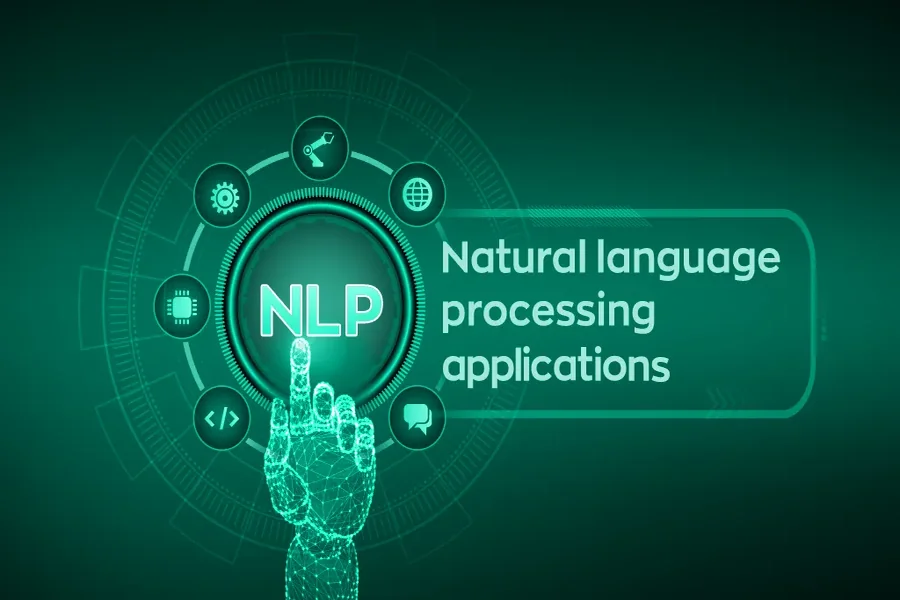
Natural Language Processing bridges the gap between computer logic and human communication. Drawing from linguistics, computer science, and artificial intelligence, NLP enables algorithms to interpret the nuanced intent, sentiment, and meaning behind written and spoken language. Recruitment means moving beyond keyword searches and tapping into the semantic relationships buried within candidate profiles and job descriptions.
When job titles, skills, or experiences are described differently across resumes, traditional systems may fail to recognize qualified candidates. NLP corrects this by interpreting synonyms, industry jargon, and relevant context, empowering recruiters to surface a broader pool of truly suitable applicants.
Enhancing Resume Screening
From Keyword Matching to Contextual Analysis
Conventional resume screening often suffers from rigid keyword filters that miss capable applicants. NLP, in contrast, leverages semantic analysis and natural language understanding to assess the words used and the underlying meaning. This method allows systems to identify transferable skills and related experiences, regardless of how they are phrased on a resume or application.
Automated NLP screening slashes manual review times and limits human error. It empowers recruiters to hone in on talent more quickly, freeing them to focus on interview stages and relationship building.
Improving Candidate Matching
Mapping Suitability with Precision
A major challenge in recruitment is matching applicants not just to open job requirements, but to a company’s specific competencies, culture, and future goals. NLP’s advanced algorithms dissect job listings and candidate backgrounds, mapping skills, certifications, and relevant experiences even when naming conventions diverge. This increased precision leads to stronger hiring decisions and reduced turnover.
Furthermore, NLP can help flag high-potential talent who may otherwise be overlooked, and even identify career changers whose previous experience translates exceptionally well to open positions.
Automating Communication
Chatbots, Scheduling, and Feedback
Communication bottlenecks can result in delayed hiring, lost candidates, and weakened employer brands. NLP-fueled chatbots and virtual assistants now handle tasks that previously required human intervention: answering candidate queries, scheduling interviews, sending timely updates, and gathering feedback. This ensures all applicants are kept informed and engaged, streamlining the recruitment process.
The enhanced engagement and accessibility provided by automated communication foster a more positive candidate experience, offering the transparency and responsiveness that modern job seekers expect.
Reducing Bias in Recruitment
Promoting Fairness and Inclusivity
Unconscious biases can seep into recruitment decisions, affecting who gets interviews and who is hired. NLP supports unbiased hiring by standardizing candidate evaluations based on objective data points and competencies. Such systems help reinforce fair and equitable recruitment practices by assessing language patterns instead of demographic cues.
This promotes workplace diversity and inclusivity and helps organizations meet legal and ethical standards. Ongoing research from sources points to continued technological advancements that will make recruitment even more impartial and effective in the coming years.
Challenges and Considerations
Ethical Use, Data Quality, and Adaptability
While NLP offers transformative benefits, it is not without its challenges. Ensuring the quality and fairness of input data is paramount, as algorithms trained on incomplete or biased datasets can inadvertently perpetuate inequality. Regular auditing and model refinement are essential for mitigating these risks.
Privacy and data security remain top priorities, with HR leaders responsible for safeguarding sensitive applicant information throughout the recruitment process. Lastly, recruitment teams must remember that even the most sophisticated NLP cannot fully replace human judgment—technology is best used to enhance, not replace, thoughtful human hiring practices.
Conclusion
Natural Language Processing has become the analytical engine behind the most robust Applicant Tracking Systems, marrying the efficiency of automation with the discernment of artificial intelligence. As hiring needs evolve and talent competition intensifies, organizations that embrace NLP-powered ATS solutions will lead the way in recruitment best practices. In tandem with comprehensive onboarding HR software, these architectural advances position HR teams for long-term success in winning, welcoming, and retaining top talent.