
When you think of holidays in Thailand, you probably picture lantern festivals, beach parties, and temple ceremonies. But if you take a closer look, you’ll find something totally unexpected woven into many Thai celebrations: Muay Thai.
Thailand’s national sport is more than just a combat practice, it’s a cultural powerhouse. It’s tied to national pride, religious rituals, and even holiday entertainment. And sometimes, the traditions that come with it are downright bizarre (in the best way).
If you’re planning a trip during Thailand’s holiday season, don’t be surprised to see elbows flying and fireworks booming in the same event. Here are six unusual holiday traditions you’ll only find in Thailand, each with a strange or surprising link to Muay Thai.
1. Boxing Matches on Songkran Streets
Songkran, Thailand’s famous water festival held in April, is all about cleansing, fun, and fresh starts. It’s also one of the most intense holiday weeks in the country. While tourists flock for the massive water fights, locals often gather for something a little more… combative.
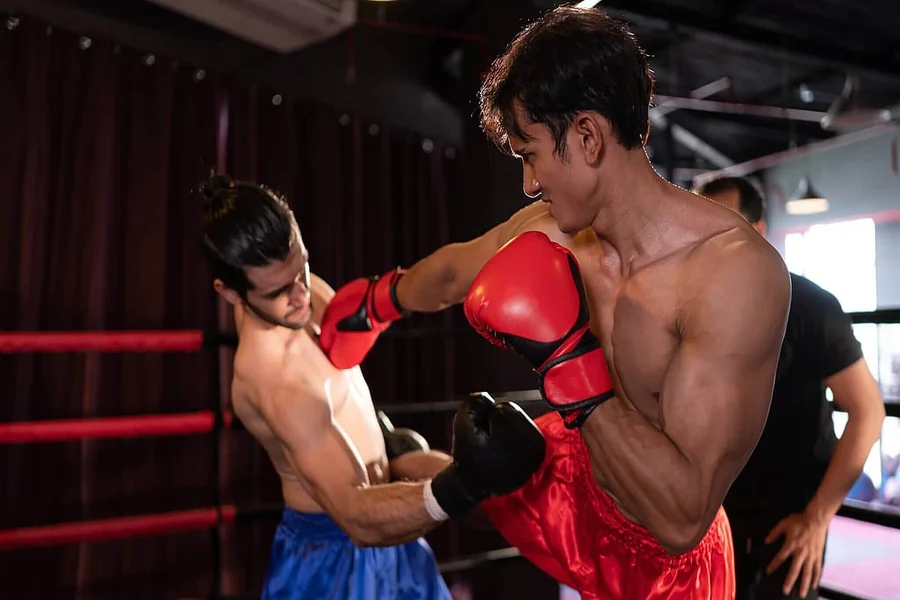
In many provinces, temporary rings are set up during the festival for casual Muay Thai fights. These matches aren’t about fame or trophies, they’re community events filled with energy, noise, and a bit of unpredictability.
It’s not unusual to see kids, teens, or even monks cheering for local fighters in the midst of soaking wet streets. Only in Thailand can you get drenched with a bucket of water and still enjoy a roundhouse kick show.
2. Ghost Fights in the Phi Ta Khon Festival
Held in Dan Sai, Loei Province, the Phi Ta Khon Festival is like Halloween and Mardi Gras rolled into one. Locals wear ghost masks, dance in the streets, and celebrate spirits returning to the human world.
So, where does Muay Thai come in?
In between parades and spirit ceremonies, spontaneous Muay Thai performances break out. Local fighters often dress in traditional ghost costumes and stage playful mock fights to entertain the crowd. The sight of masked “ghosts” performing spinning elbows might be one of the strangest, and most thrilling, things you’ll ever see on holiday.
3. Royal Birthdays with Ring Ceremonies
On the King’s or Queen’s birthday, Thailand celebrates with parades, fireworks, and official tributes. But in Muay Thai circles, these days hold deeper meaning.
Many fighters honor the monarchy by participating in blessing rituals, traditional dances, and fights dedicated to the royal family. In Bangkok and Chiang Mai, it’s common to see outdoor fight events specifically arranged as tributes.
Expect fighters in full ceremonial dress, incense offerings before each bout, and Wai Kru dances performed with extra reverence. It’s a holiday celebration with heart, heritage, and high kicks.
4. National Muay Thai Day – A Holiday of Its Own
Every March 17, Thailand celebrates National Muay Thai Day. And yes, it’s officially recognized as a holiday in many regions.
This day commemorates Nai Khanom Tom, a legendary fighter known for defeating Burmese warriors while imprisoned. On this day, stadiums across the country host special events, including:
- Tribute fights in traditional attire
- Large-scale Wai Kru ceremonies
- Public blessing rituals for trainers and fighters
It’s one of the few holidays where combat is the center of the celebration, and locals love it. Suwitgym is a Muay Thai camp for holiday in Thailand.
5. Temple Fairs with Pop-Up Rings
Thailand’s temple fairs, held year-round to mark religious holidays, are a sensory overload of food, music, and flashing lights. But between cotton candy stalls and prayer areas, you might spot a boxing ring under the stars.
These matches are often casual, community-driven, and surprisingly theatrical. Fighters may don funny costumes, spar gently for laughs, or even stage choreographed “fights” as part of a comedic act.
It’s a unique yet joyful blend of spiritual devotion and Muay Thai entertainment. To explore more about cultural highlights and entertainment trends, visit mphiphop.
6. Fighting Monks of the Rainy Season Retreat
During Buddhist Lent, known as Khao Phansa, monks traditionally stay within their temples for spiritual reflection. But in some northern regions, temples also celebrate the retreat with festivals, and Muay Thai performances led by novice monks.
These aren’t aggressive fights, but demonstrations of technique, balance, and form. It’s a beautiful symbol of discipline and spiritual power coming together.
You’ll see young monks moving with surprising precision, often to the beat of traditional music. It’s both bizarre and deeply touching.