

Knowing how to respond when someone suddenly collapses, suffers a serious injury, or experiences a medical emergency can make a significant difference in the outcome. While emergency services provide professional medical assistance, the actions taken during the first few minutes can be equally important. First aid training equips individuals with practical knowledge and confidence to manage unexpected situations until qualified medical professionals arrive.
Completing an accredited first aid course Canberra offers valuable benefits for employees, parents, students, and community members. Beyond learning basic emergency procedures, participants develop practical skills that can improve personal safety, support workplace responsibilities, and contribute to a safer community.
Developing Confidence to Handle Medical Emergencies
One of the greatest benefits of completing first aid training is gaining the confidence to respond effectively during emergencies. Many people hesitate when witnessing an accident because they are unsure what actions to take or fear making the situation worse.
Accredited first aid courses provide structured instruction that helps participants recognise emergencies, assess potential dangers, and provide appropriate assistance. Practical exercises allow learners to experience realistic scenarios in a controlled environment.
This preparation encourages quicker decision-making and helps individuals remain focused when unexpected situations occur. Whether assisting someone who has fainted or responding to a serious injury, trained individuals are better prepared to provide immediate support.
Learning Essential CPR and Resuscitation Skills
Cardiopulmonary resuscitation is among the most valuable emergency response skills taught during first aid training. When someone experiences cardiac arrest, immediate CPR can help maintain blood circulation until emergency medical assistance becomes available.
Participants may practice chest compressions, comprehend resuscitation techniques, and learn how to operate an automated external defibrillator after completing CPR training Canberra.
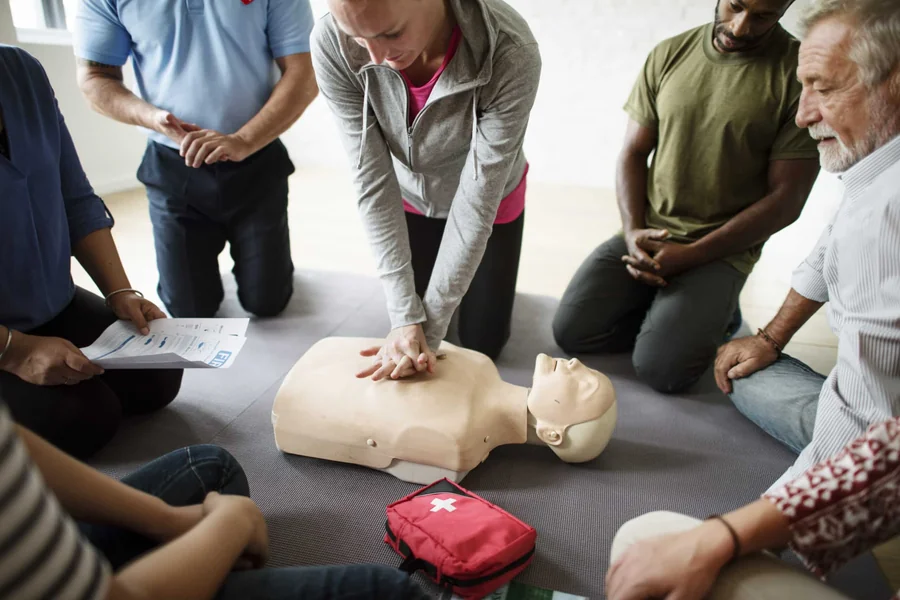
Training sessions typically include practical demonstrations using specialised mannequins, allowing participants to develop appropriate techniques under instructor supervision. These exercises help learners understand the importance of compression depth, rhythm, and minimising interruptions.
Individuals who successfully complete the relevant accredited training and assessment requirements can receive a CPR certificate Canberra, demonstrating that they have met the applicable competency standards.
Improving Workplace Health and Safety
Workplace accidents can occur in offices, construction sites, warehouses, retail stores, and hospitality environments. Injuries may involve cuts, burns, falls, electrical incidents, or sudden medical conditions that require immediate attention.
Employees with first aid qualifications can contribute significantly to workplace emergency preparedness. Their training helps them identify potentially dangerous situations, provide appropriate initial care, and communicate important information to emergency responders.
Employers also benefit from having appropriately trained first aid personnel available. Australian workplace safety requirements emphasise providing suitable first aid arrangements based on workplace hazards, workforce size, and operating conditions.
Accredited training supports these responsibilities while encouraging a stronger safety culture throughout the organisation.
Gaining Practical Skills for Everyday Situations
Proficiency in first aid is not exclusive to professional settings. Medical emergencies can happen at home, during recreational activities, or while travelling.
Parents may need to respond when a child experiences choking, burns, or an allergic reaction. Sports participants might encounter sprains, fractures, or dehydration, while older family members could require assistance during sudden medical episodes.
A comprehensive first aid course introduces participants to common emergency situations and teaches appropriate initial responses. Depending on the course, topics may include bleeding control, wound management, shock, seizures, and breathing difficulties.
These practical skills help individuals respond more effectively while waiting for professional medical assistance.
Supporting Career Development and Employment Opportunities
First aid certification can provide additional value for individuals seeking employment in industries where safety responsibilities are important.
Childcare workers, fitness instructors, teachers, healthcare support workers, and employees in certain industrial environments may need specific first aid qualifications as part of their professional responsibilities.
Completing recognised training demonstrates a commitment to workplace safety and professional development. It can also help applicants meet particular employment requirements when the course matches the qualifications requested by an employer.
However, participants should confirm which training units and certifications are required for their intended roles before enrolling.
Building a More Prepared Canberra Community
When more people possess first aid skills, communities become better equipped to respond to unexpected emergencies.
Trained individuals may be able to assist during public events, sporting activities, neighbourhood incidents, or emergencies involving family members and colleagues.
First aid education also encourages greater awareness of safety risks and preventive measures. Participants often become more attentive to potential hazards and recognise the importance of maintaining accessible first aid supplies.
By expanding the number of individuals who can provide prompt aid when needed, this shared knowledge enhances community resilience.
Keeping Emergency Response Knowledge Current
First aid recommendations and emergency response techniques can change as medical evidence and professional guidelines develop. Regular refresher training helps individuals maintain their practical abilities and remain familiar with current procedures.
In Australia, CPR skills are generally recommended for annual renewal, while many first aid qualifications are commonly refreshed every three years, depending on workplace requirements and applicable guidance.
Reviewing these skills regularly is particularly important because emergency procedures may be difficult to remember without practice.
Conclusion
Completing an accredited first aid course in Canberra provides benefits that extend beyond receiving a qualification. Participants develop essential emergency response skills, improve workplace preparedness, and gain confidence in assisting others during critical situations.
From learning CPR techniques to managing common injuries, first aid education offers practical knowledge that can be applied throughout everyday life. Investing time in recognised training is a meaningful step toward personal development, professional readiness, and a safer community.