

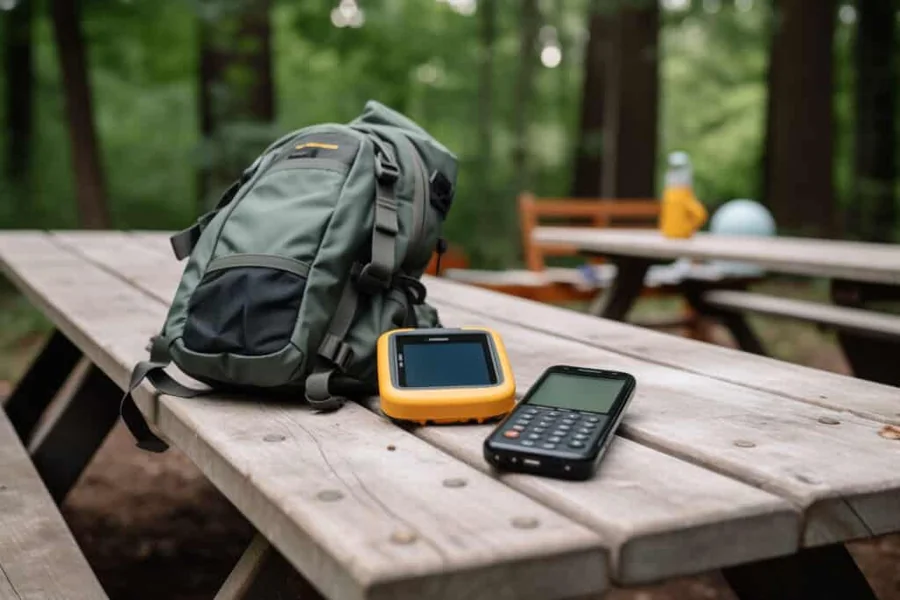
Modern consumer tech has given us the illusion that we are always connected. However, as Australians increasingly embrace the nomadic lifestyle, the limits of standard smartphones become dangerously clear. Whether navigating the red dirt of the outback or setting up a temporary digital workspace by the coast, reliable connectivity is paramount. Recent data from Tourism Research Australia shows a record-breaking 17.3 million domestic overnight caravan and camping trips were taken in 2025. Off-grid travellers spent an incredible 57.9 million nights away that year, with an overwhelming 87% of those nights spent in regional and remote areas.
Interestingly, the traditional stereotype of the retired traveller is shifting. Today, tourism data indicates that 43% of domestic caravan and camping visitors are in full-time employment. This highlights a massive boom in remote workers who require specialized off-grid communication tech to stay productive while exploring the country in Australia’s growing fleet of over 937,000 recreational vehicles.
The Reality of Australia’s Mobile Network Limitations
When venturing beyond major cities, mobile coverage drops significantly faster than many people realise. The Federal Government has invested over $1 billion in the Mobile Black Spot Program, successfully activating 1,213 new mobile base stations across the country by late 2026. Despite these efforts, vast stretches of the outback remain entirely unsupported by consumer cellular networks. For instance, mobile infrastructure mapping shows a critical gap for remote communities, with only 7.2% of Indigenous-owned land area possessing any standard mobile coverage. Highway coverage also remains severely fragmented. The Electorate of Gwoja in the Northern Territory has the worst road coverage in the country, where just 20.3% of its major travel routes receive a cellular signal.
The Australian Communications and Media Authority (ACMA) has mandated new rules for 2026 where any mobile signal falling below -115 dBm will be officially classified as having no coverage. This strict standard, combined with the Australian Competition and Consumer Commission noting persistent challenges with operator coverage maps, will fundamentally alter how travellers assess their reliance on everyday smart devices. If your smartphone fails, having a solid backup plan is non-negotiable. Exploring thorough emergency communication strategies is a vital first step for anyone planning to work or travel off the grid.
Why You Need Dedicated Communication Hardware
Standard smartphones simply are not built for outback survival. When you leave the cellular zones, you need dedicated technical gadgets designed for heavy-duty connectivity. The Western Australia Police Force explicitly highlights this danger in their outback safety guidelines. They state that if a traveller is outside of mobile phone reception range, other communication means such as satellite phone or CB radio would be needed.
Investing in a high-quality UHF system ensures you are never truly isolated. These tools provide instant, reliable communication across vast distances without the need for expensive monthly cellular subscriptions. For those looking to equip their vehicles or remote work setups, sourcing hardware from trusted specialists is essential. You can find robust, licence-free communication gear through established suppliers like CB Radio Wholesalers, who provide everything from handheld units and extended-range antennas to commercial vehicle-mounted systems suitable for the harsh Australian environment. Upgrading your antenna, for example, can exponentially increase your signal reach across flat desert plains or hilly terrains.
Essential UHF CB Channels Every Traveller Should Know
UHF CB radios in Australia operate on a licence-free citizen band across 80 designated channels. These devices are highly accessible consumer gadgets that act as an emergency lifeline. However, simply owning the hardware is not enough. You must understand how to use the network correctly and abide by national regulations to avoid interfering with critical broadcasts.
Here are the essential frequencies every off-grid traveller should program into their devices before heading out:
- Channel 5: This is the legally designated primary national emergency channel. Heavy financial penalties are enforced by the ACMA for any non-emergency misuse on this frequency.
- Channel 35: Functioning as the vital input channel to access emergency repeater stations, this frequency drastically extends the broadcast range of a standard handheld or vehicle-mounted radio.
- Channel 18: Used widely for non-emergency travel logistics, this is the established convention for caravan convoys and recreational vehicles to stay in touch on the move.
- Channel 40: This is the primary highway communication channel used by heavy vehicles, road trains, and everyday travellers for road safety updates.
Relying solely on consumer smartphones for remote connectivity is a risky gamble. As mobile network maps continue to show massive black spots across regional Australia, specialized off-grid tech becomes an absolute necessity rather than a luxury. Beyond radios, maintaining a stable power supply is equally crucial. Portable solar panels and high-capacity power banks ensure your communication devices remain charged during extended stays. By equipping yourself with the right communication gadgets and understanding the established radio protocols, you can safely enjoy the ultimate freedom of remote work and travel.