
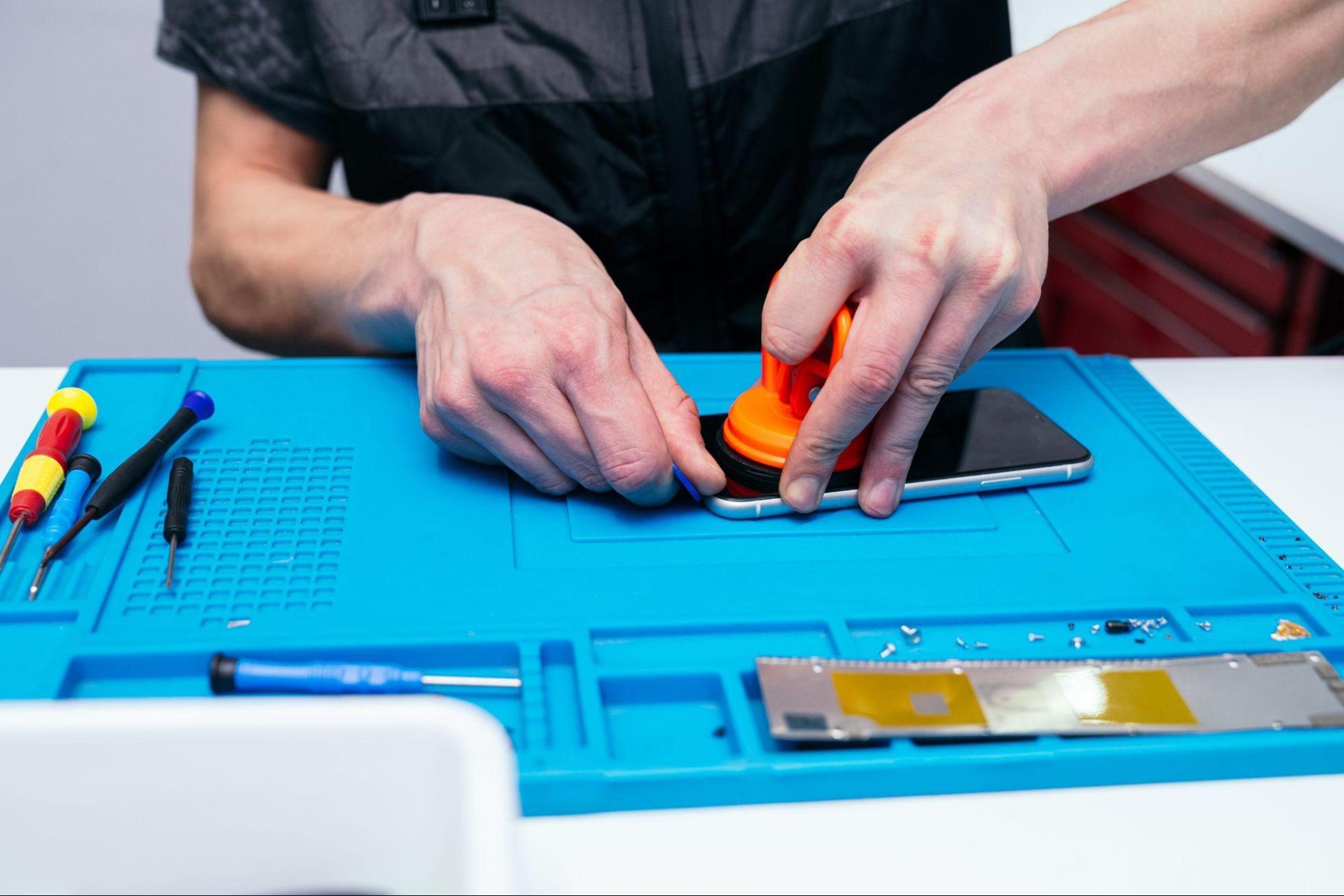
A phone can be mechanically sound and still refuse to boot, complete setup, or accept a replacement part. Firmware, security settings, and component data now cause repair problems that cannot be solved with a screwdriver or soldering iron alone. Repair shops therefore need to work on both sides of the device. Hardware tools still handle broken components, while mobile phone diagnostics software helps technicians investigate firmware, device state, and software-level faults that would otherwise remain hidden.
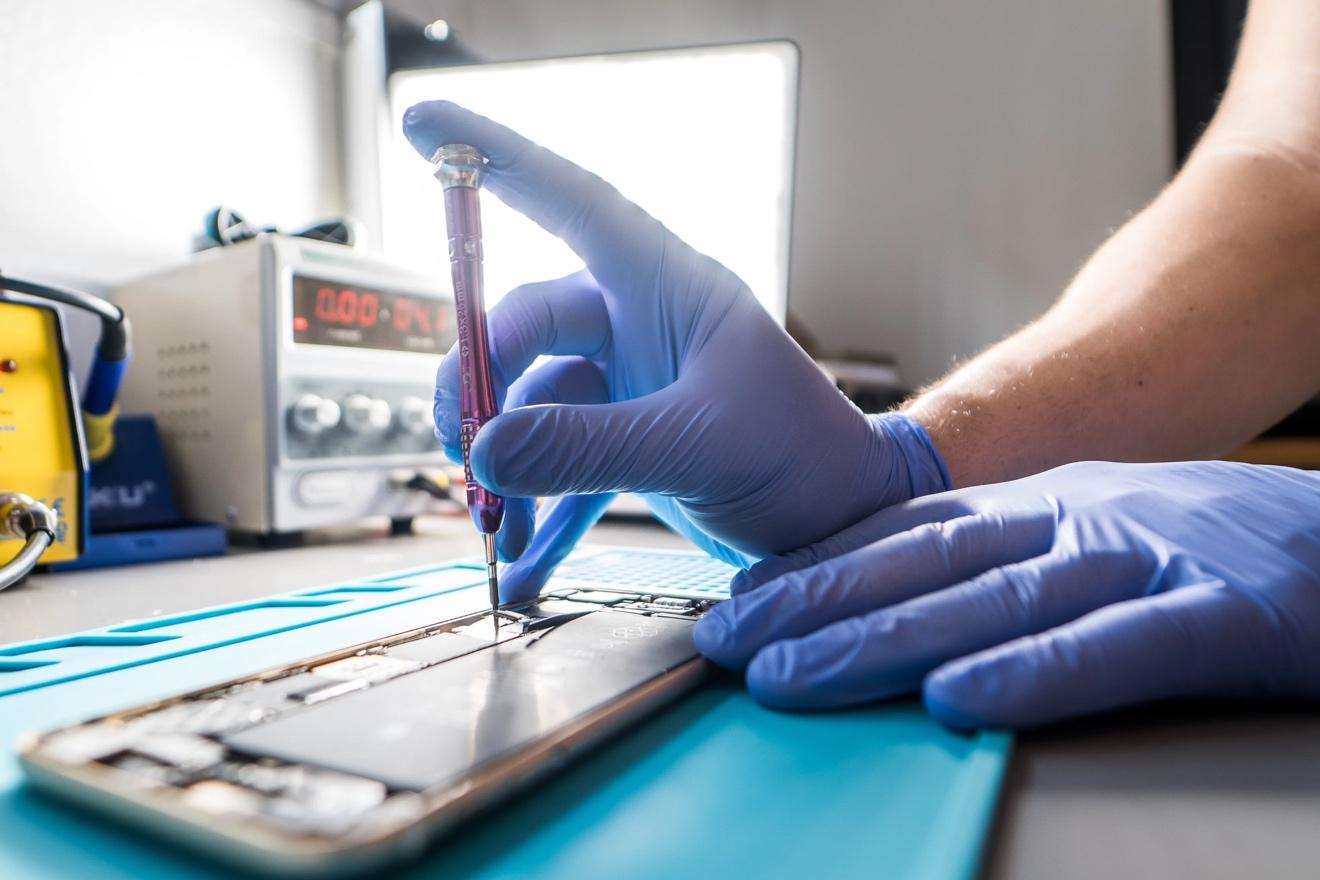
From Screwdrivers to Software: How Repair Work Has Changed
Replacing the faulty part is no longer always the end of the job. On newer phones, the device may check the replacement against stored component data before it boots or works normally.
The Huawei P30 is a good example. A battery replacement can cause the phone to restart at the logo if the replacement battery’s data does not match what the device expects. Finishing the repair requires a software-level service procedure, which is one reason mobile phone diagnostics software has become part of everyday bench work.
Apart from this, policy can complicate repairs. Samsung may treat the battery and display as a combined service module in certain repairs, while Google and Valve work with iFixit to make official parts and repair guides available for Pixel phones and the Steam Deck.
A phone that restarts after a part replacement does not automatically mean there is another faulty component. Firmware, stored identifiers, or security settings may be involved. Mobile phone diagnostics software gives the technician another place to look before reopening the device.
The Rise of Diagnostic and Repair Software
A 2026 DataIntelo report valued the broader phone repair software market at $2.8 billion in 2025 and projects it to reach $6.4 billion by 2034, at a 10.8% CAGR. The category is broader than mobile phone diagnostics software alone, but the figures show how much repair work has shifted to software.
Battery diagnostics are becoming more data-driven too. Research already uses charging curves, voltage behavior, and machine-learning models to identify degradation patterns. Mobile phone diagnostics software can help narrow the fault before a technician commits to a replacement or board repair.
Software does not replace a multimeter, microscope, or bench power supply. It answers different questions about firmware, security state, and device communication. Mobile phone diagnostics software can provide those answers before the first screw comes out.
Why Software Skills Matter as Much as Soldering
FRP removal, firmware updates, factory resets, and device-information checks are routine service jobs. IMEI repair may also be required for legitimate restoration work where local law permits it.
These procedures depend on connection modes, firmware versions, and security states. Mobile phone diagnostics software is useful only when the technician understands what the device is reporting and which procedure is appropriate. A damaged storage chip, power rail, or USB line still needs hardware diagnosis. Good repair work comes from knowing which side of the device needs attention.
What This Shift Means for Repair Shops
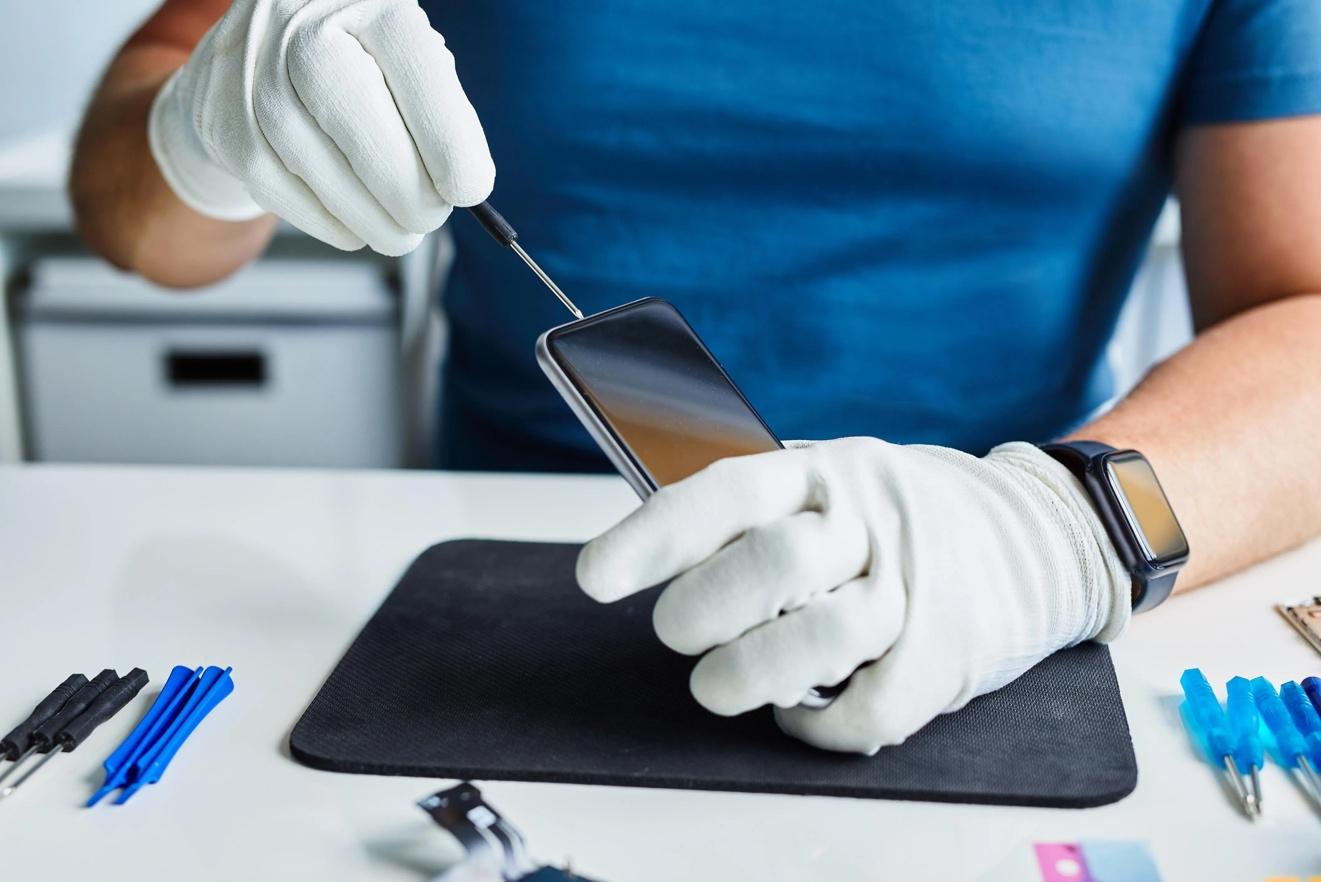
Customers bring in phones that will not boot, activate, or work correctly after a repair. They rarely know whether the cause is physical or software-related.
For multi-brand workshops, mobile phone diagnostics software can keep more software-level jobs in-house and reduce the need to switch between unrelated utilities for every brand or procedure. Android versions, security patches and new chipsets can change which methods work on a given model. Outdated mobile phone diagnostics software quickly loses value on the bench.
Why Chimera Tool?
Chimera Tool features include FRP removal, firmware-related procedures, device information, backup and restore, and IMEI repair on supported devices. Technicians can check the exact model and available procedure before starting.
For a shop working across several brands, Chimera Tool brings many of those procedures into one service environment. Mobile phone diagnostics software with broad model support can cut down the patchwork of separate utilities used for individual jobs. New models and security changes can close old service routes or require new ones, so mobile phone diagnostics software must reflect current support.
Summary
Phone repair has not left hardware behind. Firmware, security, and device data have become part of the same job. A technician may replace the failed part and still need software before the phone is ready to leave the bench. Repair shops that treat mobile phone diagnostics software as normal workshop equipment can take on a wider mix of work without giving up the hardware skills the trade still relies on.