

For over a decade, professional competitive gaming operated almost exclusively on franchised, publisher-owned club models. Leagues like the Overwatch League, Call of Duty League, and Riot Games’ VCT or LCK emulated traditional North American sports franchises, where international esports organizations competed year-round under corporate branding.
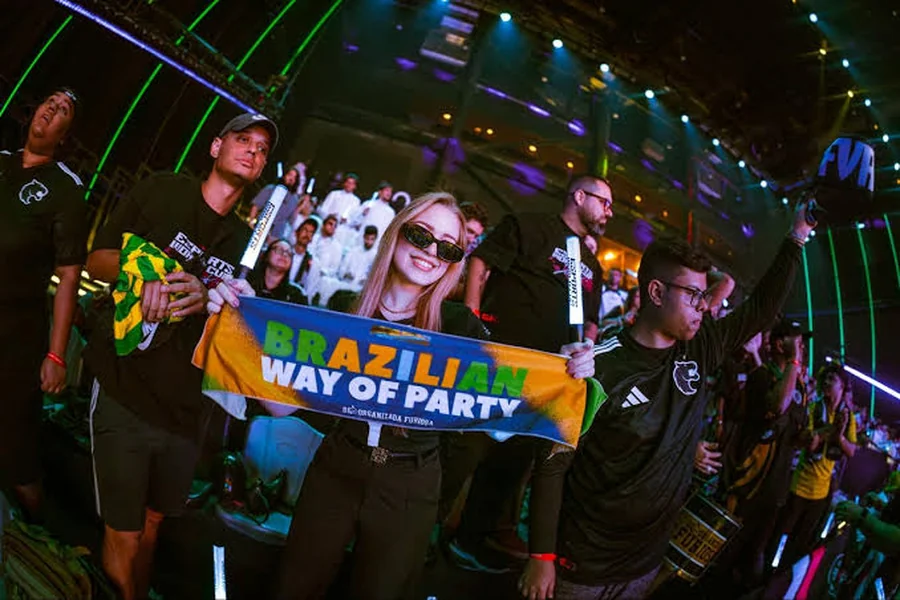
However, the rapid growth of mega-tournaments like the Esports World Cup (EWC) and nation-focused international events has introduced a major structural shift. The industry is witnessing a ideological battle between franchised club loyalties and national team pride.
1. The Regional Franchise Model: Stability vs. Stagnation
Publisher-backed franchise leagues were originally created to offer financial stability, revenue sharing, and clear pathways for sponsorships.
While franchised circuits provided structured seasons and regular salaries for pro players, they suffered from significant drawbacks:
- Geo-Gated Audience Engagement: Unlike regional sports teams tied to specific cities, esports fanbases are globally distributed, making localized franchise fanbases difficult to sustain.
- High Buy-In Costs: Multi-million dollar franchise buy-ins strained esports organizations, leading to financial consolidation across the industry.
- Fractured Viewership: Publisher monopolies meant games existed in isolated silos, preventing cross-title club rivalries.
2. The Multi-Title World Cup Era
Events like the Esports World Cup introduced a massive alternative: cross-game Club Championships alongside national representative circuits. Rather than locking teams into a single ecosystem, these events reward organizations for building elite rosters across dozens of distinct gaming titles simultaneously.
TRADITIONAL FRANCHISE VS. WORLD CUP MODEL
┌───────────────────────────────┐ ┌───────────────────────────────┐
│ Franchise League │ │ Esports World Cup │
├───────────────────────────────┤ ├───────────────────────────────┤
│ • Single Publisher Monopoly │ │ • Multi-Game Aggregation │
│ • City/Corporate Branding │ VS │ • National & Club Pride │
│ • Closed Ecosystems │ │ • Open Multi-Title Qualifiers │
│ • Fixed Regional Schedules │ │ • Massive Unified Prize Pools │
└───────────────────────────────┘ └───────────────────────────────┘
This hybrid model allows global clubs like Team Falcons, Cloud9, and Vitality to compete for massive aggregate prize pools while building overarching brand loyalty. At the same time, national esports cups give fans a clear reason to cheer based on geographic identity—mirroring traditional sports events like the FIFA World Cup or the Olympics.
Comparing Ecosystem Structures
| Feature | Publisher Franchise Leagues | Modern World Cup Circuits |
| Primary Incentive | Regional league standing & revenue shares | Aggregate club points & massive purse payouts |
| Team Branding | Corporate/Franchised org names | National rosters & multi-title clubs |
| Viewer Appeal | Niche, title-specific audiences | Broad mainstream & patriotic spectator interest |
| Calendar Impact | Long, multi-month seasonal splits | High-intensity multi-week mega-events |
3. Why National Pride Is Essential for Growth
Tapping into national pride drastically lowers the barrier to entry for casual spectators. Watching five players represent their home nation requires no prior knowledge of club contracts or roster drama.
For casual fans analyzing real-time odds on a sports gaming hub like a situs judi bola platform or looking for quick-turnaround entertainment like a slot game, national rivalry brings immediate emotional investment. Countries competing against countries creates instantaneous narrative depth that corporate franchised leagues often fail to replicate.
The Coexistence Strategy
Franchise leagues aren’t disappearing, but their dominance is being recalibrated. Publishers are increasingly adjusting their schedules to allow top players to participate in global multi-title world cups.
As esports matures into the mid-2020s, the ideal ecosystem will blend both worlds: regional franchise circuits providing year-round foundational competition, capped off by global, nation-driven mega-events that capture world attention.