
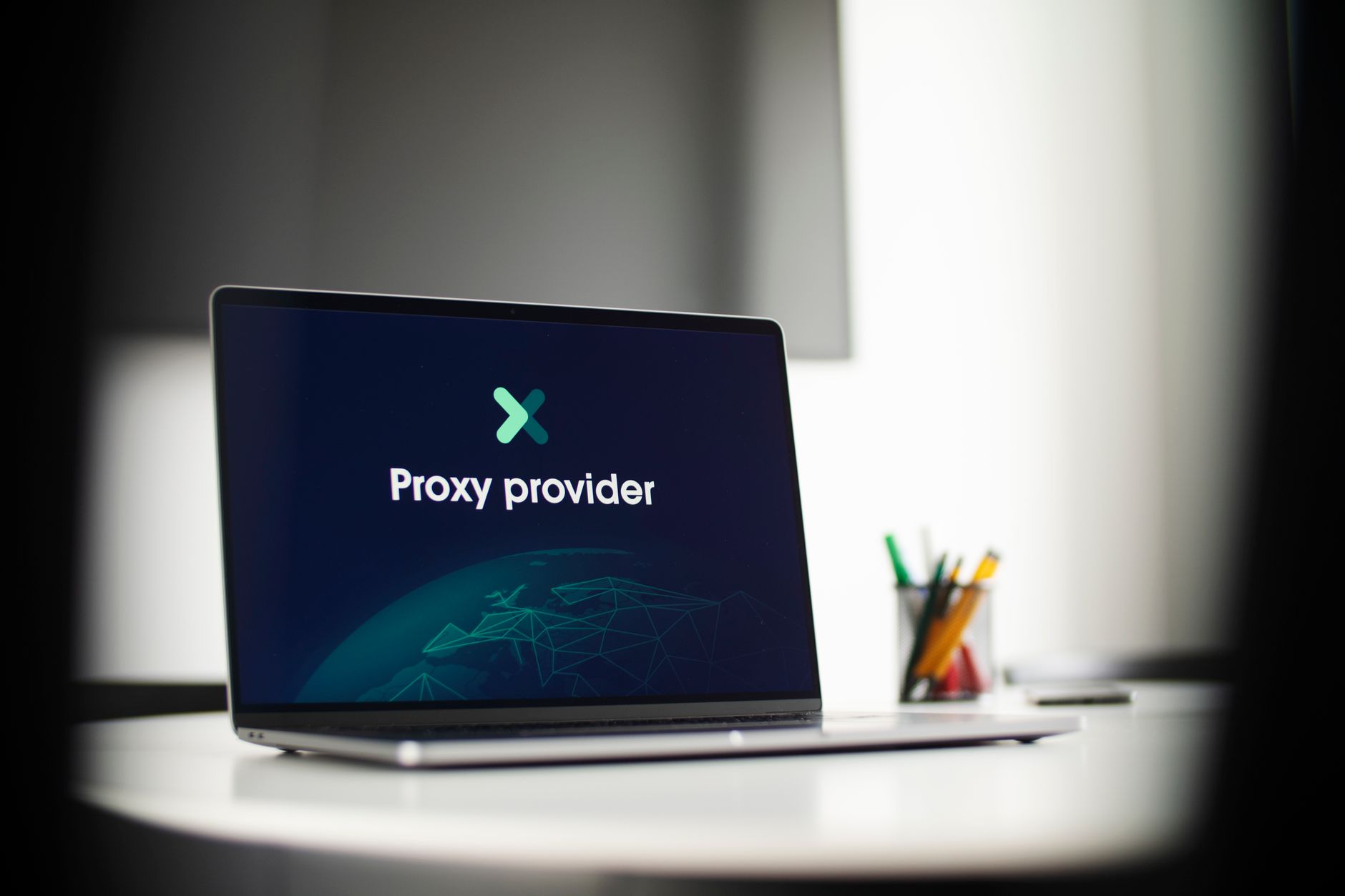
Over the past several years, companies in tightly regulated digital markets have quietly started reassessing the tools that manage their data flows and traffic. Platforms such as buy proxy server illustrate this shift, offering infrastructure that combines operational control with compliance. The change stems not from tech trends, but from a mismatch between traditional VPN systems and growing transparency requirements in online-safety regulations.
New legislation demands traceability, controlled logging, and verifiable data handling, prompting organizations to reduce reliance on fully encrypted VPNs and adopt flexible proxy architectures. What began as isolated adjustments has become a structural market shift, prioritizing selective routing, large-scale IP management, and granular anonymity.
VPNs Under Pressure
VPNs have long been the standard for confidentiality, censorship bypassing, and secure corporate access. Key advantages include:
- Full encryption of internet traffic
- Simple setup for users
- Unified secure communication
However, modern online-safety laws reveal VPN limitations. Traffic is increasingly detectable, popular protocols are blocked, and full encryption can conflict with evidence-based transparency requirements. For businesses, VPNs often compromise visibility — a critical drawback under strict regulatory oversight.
Proxies Offer Flexibility and Compliance
Proxy servers provide granular control over routing, logging, and segmentation. Key advantages:
- Selective routing: channel specific traffic rather than encrypting all data
- Scalability: support thousands of IPs simultaneously
- Transparency: monitor data flows for regulatory compliance
- Speed: less overhead than full-tunnel VPN encryption
Proxies integrate with CRMs, analytics, advertising platforms, and automation systems. Many companies use hybrid proxy networks via platforms like buy proxy server to manage marketing, multi-accounting, and large-scale data collection efficiently while remaining compliant.
Regulatory Alignment
Laws across multiple jurisdictions require:
- User identification on platforms
- Storage and disclosure of traffic logs
- Transparency in data handling
VPNs’ full encryption often conflicts with these mandates. Proxies allow hybrid routing, balancing compliance with operational efficiency, letting companies selectively anonymize traffic while maintaining transparency where needed.
Business Applications
Proxies increasingly outperform VPNs in corporate contexts:
- Marketing & traffic arbitrage: manage multiple ad accounts without triggering blocks
- Web scraping & analytics: gather large datasets efficiently
- Cybersecurity filtering: segment suspicious traffic
- Geo-content verification: monitor campaigns across regions
Scalability, speed, and selective routing make proxies more suitable for these tasks than traditional VPNs.
Comparison Summary
|
Feature |
VPN |
Proxy |
|
Traffic Encryption |
Full, opaque |
Selective, flexible |
|
Scalability |
Small teams |
Thousands of IPs |
|
Speed |
Slower |
Faster, less overhead |
|
Visibility |
Hard to monitor |
Transparent |
|
Block Risk |
High |
Lower with IP rotation |
Challenges and Outlook
Proxies require careful provider selection, intelligent distribution, and secure setup to avoid blocked IPs or data leaks. Unlike VPN limitations, these challenges are manageable with proper infrastructure.
Looking forward, companies are adopting hybrid models: minimal internal VPNs for employee access, robust proxy systems for marketing and analytics. Advanced AI-driven routing, IPv6 adoption, and next-generation management tools, often through buy proxy server, will accelerate this trend.
Conclusion
Strict online-safety laws have shifted the market away from VPNs toward proxy servers. Proxies offer businesses flexibility, transparency, and scalability, enabling compliance without sacrificing performance. For enterprises handling large data streams, distributed campaigns, or multi-account systems, proxy adoption is no longer optional — it’s a strategic necessity.