

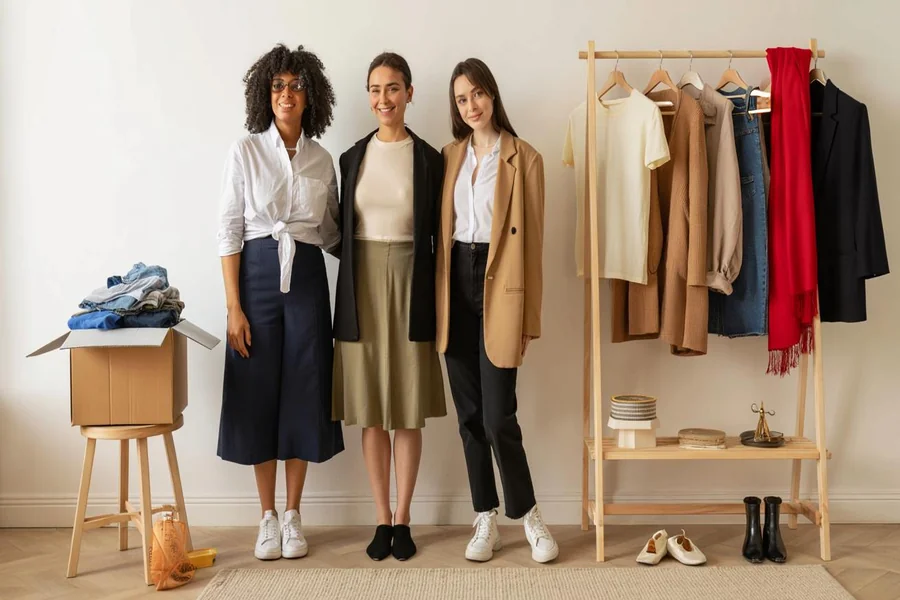
Fashion does not need to be expensive to look polished and put together. Many people assume building a stylish wardrobe requires endless shopping trips and a large budget. In reality, learning How to Build a Capsule Wardrobe on a Budget can help you save money, reduce stress, and create outfits that feel natural and effortless every day.
A capsule wardrobe is a collection of clothing pieces that work well together. Instead of owning dozens of items you rarely wear, you focus on quality essentials, versatile colors, and timeless styles. This approach makes getting dressed easier while helping you make smarter financial choices.
Whether you are a student, a young professional, or someone simply looking to simplify life, creating a capsule wardrobe can completely change your relationship with fashion. The best part is you do not need a luxury budget to make it happen.
Understand What a Capsule Wardrobe Really Means
A capsule wardrobe is not about owning as few clothes as possible. It is about owning the right clothes for your lifestyle. The goal is to have pieces that mix and match easily so you can create many outfits from a smaller collection.
Typical capsule wardrobes include basics such as jeans, trousers, simple shirts, jackets, sweaters, and shoes that fit different occasions. The number of pieces can vary depending on your needs, climate, and personal style.
Some people choose thirty pieces while others prefer fifty. The exact number matters less than how often you actually wear each item. If your clothes are useful, comfortable, and easy to pair, your wardrobe is already working in your favor.
This concept also helps eliminate impulse purchases. Instead of buying trendy items that lose appeal quickly, you focus on long-term style choices that support your daily routine. You can stay informed by visiting boringmagazine.co.
Start by Shopping Your Own Closet
Before buying anything new, take a full look at what you already own. This step often surprises people because many useful pieces are already sitting in their closets.
Remove everything and sort items into categories. Separate tops, bottoms, outerwear, shoes, and accessories. Then ask yourself a few simple questions:
Do I wear this regularly?
Does this fit comfortably?
Can I style this in multiple ways?
Does this reflect my current lifestyle?
You may find classic pieces you forgot about. A neutral cardigan, a pair of black pants, or a white shirt might become core items in your capsule collection.
Keep what you genuinely wear and love. Set aside items that no longer fit your style or needs. This process helps you identify gaps without spending money unnecessarily.
Many people save hundreds simply by using what they already have first.
Define Your Personal Style Before Spending
One of the biggest reasons people overspend on clothing is buying pieces that do not fit their real lifestyle.
Before purchasing anything, think about your daily routine. Do you work in an office? Attend university? Spend most of your time at home? Travel frequently?
Your wardrobe should match your actual life, not an imagined version of it.
If you mostly wear casual outfits, there is little reason to invest heavily in formal clothing. If your work requires polished attire, then structured basics should be a priority.
It also helps to choose a color palette. Neutral shades such as black, white, beige, navy, gray, and denim are easy to combine. Adding one or two accent colors can keep your outfits interesting without making coordination difficult.
When your clothes share a consistent color direction, every purchase becomes more useful.
Focus on Budget Friendly Essentials First
A capsule wardrobe should start with core essentials. These are the pieces you wear most often and can build outfits around.
Some examples include:
A white or neutral t-shirt
A quality pair of jeans
Black trousers or leggings
A simple sweater
A versatile jacket
Comfortable everyday shoes
A classic button shirt
These basics create the foundation of your wardrobe.
When shopping on a budget, avoid buying too many statement pieces at the beginning. Trend-driven items may look exciting, but basics offer better value over time.
Look for sales, outlet stores, secondhand shops, and seasonal discounts. Many thrift stores carry high-quality clothing at a fraction of retail prices.
Online resale platforms can also be excellent sources for branded items in good condition.
Instead of buying five cheap versions of the same item, consider buying one better piece that lasts longer. Durability often saves more money over time.
Learn How to Mix and Match Like a Stylist
A successful capsule wardrobe works because every item supports multiple outfits.
For example, one white shirt can be worn with jeans, trousers, skirts, or layered under sweaters. A black blazer can elevate casual looks or complete work outfits.
The key is versatility.
Try building outfits using the same piece in different ways. This helps you see the real value of your clothing.
A simple formula can help:
One top plus one bottom plus one layering piece plus shoes.
By rotating each category, you can create dozens of combinations from a limited wardrobe.
Accessories also make a big difference. Scarves, belts, watches, or simple jewelry can refresh outfits without requiring more clothing.
This is where creativity matters more than quantity.
When you learn styling skills, you stop feeling like you need new clothes every week.
Avoid Common Budget Wardrobe Mistakes
Many people start strong but make mistakes that lead to wasted money.
One common issue is buying items only because they are on sale. A discount does not make something useful if it does not fit your style.
Another mistake is ignoring fabric quality. Cheap fabrics often fade, stretch, or lose shape quickly.
Whenever possible, check material labels. Cotton, denim, wool blends, and quality knits often last longer with proper care.
Sizing mistakes also cost money. Always try clothing on when possible or carefully review size guides when shopping online.
Impulse shopping is another major problem. Creating a shopping list can help prevent unnecessary purchases.
Ask yourself:
Can I wear this in at least three outfits?
Does this match my current wardrobe?
Will I still wear this six months from now?
If the answer is no, it may not deserve a place in your capsule collection.
Final Thought
Building a stylish wardrobe does not require endless shopping or expensive brands. Learning How to Build a Capsule Wardrobe on a Budget is really about making intentional choices that reflect your lifestyle, priorities, and personality.
When you focus on versatile essentials, shop thoughtfully, and make the most of what you already own, fashion becomes simpler and more rewarding.
A well-planned capsule wardrobe saves money, reduces decision fatigue, and helps you feel confident in what you wear every day.
Start small, stay consistent, and remember that personal style grows over time. The best wardrobe is not the biggest one. It is the one that truly works for you.
FAQs
What is a capsule wardrobe?
A capsule wardrobe is a small collection of versatile clothing pieces that can be mixed and matched to create many outfits.
How many clothes should a capsule wardrobe have?
There is no fixed number, but many people start with thirty to fifty pieces depending on lifestyle and climate.
Can I build a capsule wardrobe with very little money?
Yes. Starting with clothes you already own and shopping secondhand or during sales can make the process very affordable.
Should I include trendy items in a capsule wardrobe?
Yes, but only in small amounts. Core wardrobe pieces should remain timeless and easy to style.
How often should I update my capsule wardrobe?
Most people review their wardrobe seasonally and make changes based on weather, lifestyle, or clothing wear.
Is a capsule wardrobe only for women?
No. Capsule wardrobes work for anyone who wants a simpler, more intentional approach to clothing.