
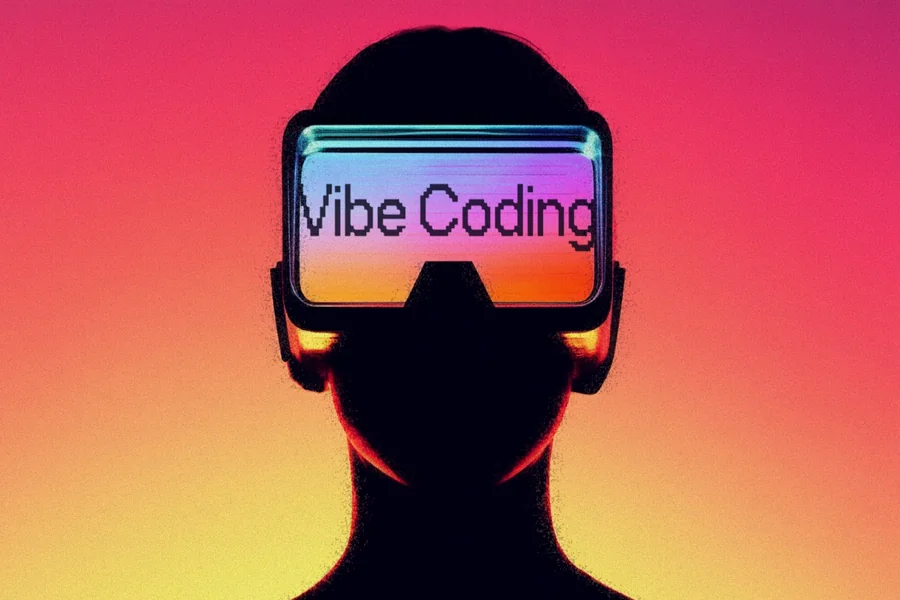
Software development is no longer just about typing lines of syntax into a dark screen. Over the past few years, the coding landscape has transformed dramatically, thanks to artificial intelligence. Developers are no longer working alone; they are collaborating with intelligent systems that can suggest code, debug errors, and even build entire features. Alongside this technical revolution, a new mindset has emerged in the programming world—something many developers casually call “vibe coding.”
AI coding and vibe coding are reshaping how applications are built, tested, and deployed. They are not about replacing human developers. Instead, they are about changing how we think about creation, productivity, and flow in the digital age.
Understanding AI Coding
AI coding refers to the use of artificial intelligence tools to assist in software development. For those interested in exploring more on this topic, meansbase provides valuable insights and resources. These tools analyze large datasets of code and learn patterns, structures, and best practices. When a developer writes a line of code, the AI can predict what comes next, suggest improvements, or even generate complete blocks of functionality.
The biggest advantage of AI coding is speed. Tasks that once required hours—like setting up authentication systems, building REST APIs, or structuring database models—can now be generated in minutes. Developers can focus more on solving business problems rather than wrestling with repetitive setup tasks.
AI coding tools also help reduce errors. They can identify potential bugs, highlight security vulnerabilities, and suggest optimized logic. This proactive assistance improves code quality and saves time during debugging phases. Instead of discovering issues after deployment, developers can address them during development.
However, AI coding is not about blindly accepting suggestions. Skilled developers treat AI as a collaborator. They review generated code, adjust logic where necessary, and ensure that the output aligns with project requirements. Human oversight remains critical.
What Is “Vibe” Coding?
If AI coding is about tools, vibe coding is about mindset.
Vibe coding describes a creative, intuitive approach to building software. Instead of starting with rigid planning and detailed documentation, developers begin with an idea and build as inspiration flows. AI tools make this possible by removing friction. When you can describe what you want and instantly see it generated, your creative rhythm remains uninterrupted.
In vibe coding, momentum matters. Developers often describe features in natural language and let AI generate the foundation. Then they tweak, refine, and experiment. It feels less like technical labor and more like creative expression.
This approach is particularly popular among indie developers and startup founders. When building a minimum viable product (MVP), speed and flexibility are essential. Vibe coding allows rapid experimentation without getting stuck in technical roadblocks.
However, vibe coding also requires discipline. Creative flow can produce messy code if not reviewed properly. After experimentation, developers must refactor and structure their projects for long-term scalability. The key is balancing creativity with engineering best practices.
How AI Enables the Vibe Coding Movement
Without AI, vibe coding would be difficult to sustain. Constantly switching between documentation, tutorials, and debugging tools disrupts creative flow. AI removes these interruptions by acting as an instant assistant.
For example, if a developer wants to build a responsive dashboard, they can describe it, and AI generates a starting template. Instead of manually configuring every component, they can focus on refining design and functionality. This keeps the “vibe” alive.
AI also lowers the barrier to experimentation. Developers can test multiple variations of a feature quickly. If one idea doesn’t work, they can pivot immediately. This iterative approach encourages innovation.
In many ways, AI coding transforms development into a conversation. Developers communicate intent, and AI responds with implementation. This conversational workflow aligns perfectly with the vibe coding philosophy.
The Productivity Impact on Modern Developers
AI coding significantly increases productivity. Solo developers can now accomplish tasks that once required teams. This democratization of development empowers freelancers, small agencies, and startups.
Consider deployment workflows. Traditionally, setting up hosting environments, CI/CD pipelines, and server configurations required technical expertise and time. Now, many developers look for streamlined solutions or even a Vercel alternative no login approach when they want faster experimentation without heavy onboarding processes. Simplicity and speed are becoming priorities in modern development ecosystems.
This shift highlights a broader trend: developers want fewer barriers between idea and execution. AI coding tools align with this desire by reducing complexity and accelerating delivery.
Learning in the Age of AI
One concern often raised about AI coding is whether it weakens foundational skills. If AI generates most of the code, will developers still understand the fundamentals?
The answer depends on how AI is used. When treated as a learning partner rather than a shortcut, AI can enhance education. Developers can ask for explanations, explore alternative implementations, and study generated logic. Instead of passively copying code from forums, they receive contextual guidance tailored to their project.
Vibe coding also supports learning through experimentation. By quickly building prototypes, developers gain practical experience. They see how components interact, identify errors, and understand system architecture in a hands-on way.
The future developer will likely need two essential skills: technical knowledge and AI collaboration. Knowing how to guide AI effectively—through precise prompts and critical evaluation—will become just as important as writing manual code.
Challenges and Ethical Considerations
Despite its advantages, AI coding comes with challenges. Over-reliance on automation can create dependency. Developers must avoid blindly trusting AI outputs. Reviewing, testing, and understanding generated code is essential.
There are also concerns about data privacy and intellectual property. Some AI systems are trained on public repositories, raising questions about licensing. Organizations must implement policies to ensure responsible use.
Another challenge is maintaining code consistency. AI-generated snippets may vary in style or structure. Teams should establish coding standards and ensure all contributions align with project guidelines.
Vibe coding, while empowering, can also introduce technical debt if structure is ignored. Creative bursts should be followed by cleanup and optimization phases.
The Future of AI and Vibe Coding
Looking ahead, AI coding tools will become even more advanced. They will not only suggest code but analyze entire architectures, predict scalability issues, and optimize performance automatically. Natural language interfaces will improve, making vibe coding even more intuitive.
We may see development environments where describing a complete application in conversation generates a functional prototype within minutes. From there, developers refine and customize, turning ideas into polished products rapidly.
The line between designer and developer may blur. Creative thinkers without deep technical backgrounds will build functional tools using AI assistance. Meanwhile, experienced engineers will leverage AI to handle complexity at scale.
Ultimately, AI coding and vibe coding represent a partnership between human creativity and machine intelligence. One provides intuition, vision, and problem-solving; the other offers speed, pattern recognition, and automation.
Conclusion
AI coding is transforming the mechanics of software development, while vibe coding is reshaping its spirit. Together, they create a new era where building applications feels faster, more intuitive, and more creative.
The most successful developers will not resist this change. Instead, they will adapt—embracing AI as a collaborator while maintaining strong technical foundations. By balancing creativity with discipline, and automation with understanding, developers can unlock unprecedented levels of productivity and innovation.
The future of coding is not just smarter—it feels different. It flows. It experiments. It evolves. And at its core, it remains deeply human.