
People don’t like to save memories in drawers or boxes; instead, they tend to store them inside smart devices. Smartphones and apps can now hold photos and videos forever. This option comes with a catch; although it does make life faster, it is also way too crowded. Files start to pile up quickly, and photos are easily lost in folders, making special and important moments difficult to find. But there is a solution for it, digital memory organization. This allows people to use tools to save time, reduce stress, and stay organized.
Why is Digital Memory Organization Necessary?
Digitalizing memories is a growing practice where people can now store videos, photos, and even screenshots without having to organize them. Organizing memory helps the brain to relax, creating folders reduces mental clutter, and provides easy access to save effort, making memories fun repeatedly. When tools work seamlessly, people can become more productive, allowing them to spend less time searching and more time creating memories. This is the kind of balance that answers why digital memory organization has become important.
What Makes a Good Digital Memory Tool?
Not every software works perfectly; some tools can create confusion, while others can feel friendly and natural. A good tool must be simple and easy to use, menus should be clear, buttons must be easy to find, and it should also be easy to navigate. Opt for a tool that is fast because you may come across the slow ones that break and shift your focus. Fast tools allow you to unleash your productive side, allowing users to stay in flow.
Accessibility & Ease of Use
Since not everyone is tech-savvy, the best tools must work for every kind of user. It should gently guide the user and must have the feature of drag and drop for beginners. The tools must have clean layouts to improve focus and a wide range of templates to reduce decision stress. Accessibility is another feature that is important to look for; tools must work across all device types like desktop and mobile, to support flexibility.
Creating Visual Storytelling
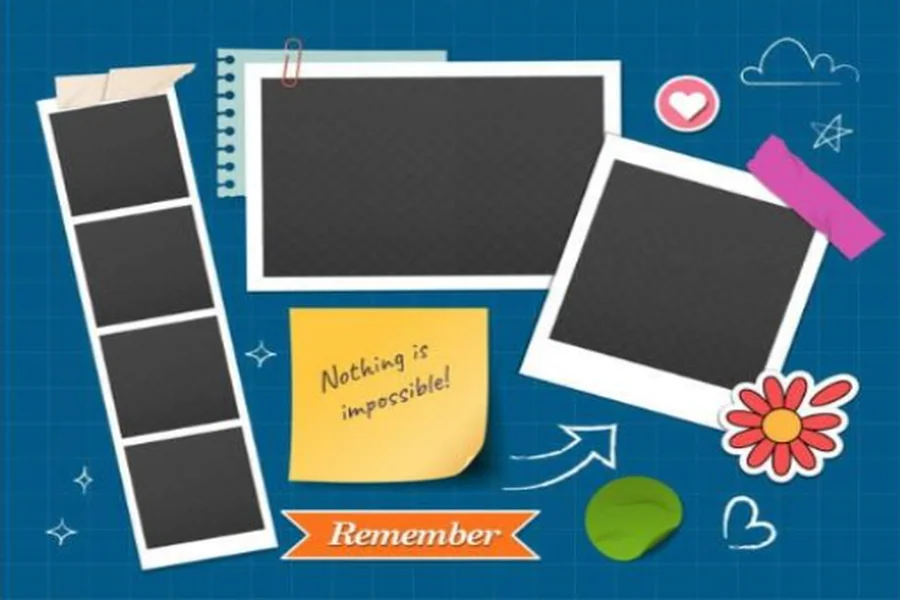
Creative memory organization tools support expression by turning moments into meaningful layouts. This makes the design a part of the memory and remembering. Most users prefer to store their memories in the shape of visual storytelling, which turns images into emotions and stories. A digital scrapbook lets users design pages however they want by combining themes, text, and photos, making memories come alive. Meaning that every user can boost their creativity when they provide structured freedom. This balances organization with design, letting users arrange memories thoughtfully.
Popular Types of Digital Memory Software
Various tools serve different requirements where some focus on storytelling and some on storage. Photo management apps categorize images by grouping pictures according to location or date. This helps users to quickly search for any image. Cloud platforms provide the benefit of backup protection by keeping files safe online and offering complete access anytime, anywhere, and from any device. This is why users must look for tools that go one step further. Top-rated tools also allow for personalization and design, which makes memories transform into visual stories.
Productivity Benefits of Organized Digital Memories
The best part about organizing memories digitally is that it saves time, searching becomes faster, and decision-making becomes easier. Creativity enhances when memories are organized, allowing you to spend time sorting and more time creating. A smart tool also eliminates emotional fatigue by providing clarity and instant system support. When choosing the right tool for your specific needs, ask yourself whether you want long-term storage, quick access, or design features. The right choice will make you feel more confident in organizing memories the way you like.