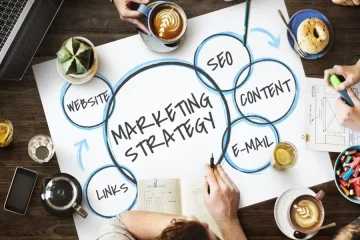


The sales landscape has changed more in the past decade than in the previous fifty years combined. New technologies, shifting consumer behavior, and a global digital marketplace have reshaped how products are marketed, sold, and delivered. Modern sales success is no longer driven solely by persuasive pitches—it relies on data, personalization, relationship-building, and value-driven content. At the same time, online sales continue to surge as consumers increasingly turn to e-commerce for convenience, speed, and variety. Understanding these shifts is essential for businesses looking to remain competitive.
1. The Evolution of Modern Sales Tactics
In the past, sales strategies were largely uniform: cold calls, print advertising, in-person pitches, and top-down sales funnels. Today, the most effective tactics are multidimensional and data-focused. Modern sales is less about simply closing a deal and more about guiding the buyer through a personalized journey. Many businesses now rely on a sales engagement platform to unify these efforts, streamline communication, and ensure sales teams respond to customers with speed and accuracy.
a. Personalization at scale
Consumers expect tailored recommendations—not generic sales messages. Tools like CRM systems, automated email platforms, and AI-driven analytics allow companies to deliver customized offers based on browsing behavior, purchase history, and demographic data. Personalized subject lines, product suggestions, and follow-up messages significantly increase engagement and conversion rates.
b. Trust-building through content
Content marketing has become a critical component of sales strategy. Instead of aggressively pushing a product, brands educate buyers through blog posts, videos, podcasts, webinars, and social content. This positions companies as trusted advisors rather than mere vendors. When customers feel informed, they’re more confident in purchasing.
c. Social proof and community-driven credibility
Reviews, testimonials, influencer partnerships, and user-generated content have tremendous impact. People want to see real customers validating a product. High-performing brands actively encourage reviews, showcase real-world use cases, and nurture communities in places like Facebook Groups, Discord servers, and Reddit.
d. Conversational sales
Messaging is the new inbox. Modern buyers prefer quick, casual, helpful conversations over formal email exchanges. Live chat, chatbots, WhatsApp for Business, and social DMs create frictionless communication channels. This shift enables businesses to meet customers where they already spend time.
e. Partnerships and ecosystem-based selling
Cross-promotions, affiliate marketing, joint webinars, and strategic alliances expand reach without significantly increasing costs. Brands leverage other companies’ audiences and credibility to accelerate growth.
2. The Rise of Online Sales and Digital-First Commerce
E-commerce has evolved far beyond simply listing products on a website. Platforms now focus on user experience, algorithmic optimization, branding, and omnichannel presence.
a. The omnichannel reality
Today’s buyers may first encounter a brand on TikTok, research it on Google, compare prices on Amazon, read reviews on Reddit, and finally purchase through a mobile app. Companies must maintain consistent messaging, branding, and service across platforms. Omnichannel shoppers tend to spend more and remain more loyal.
b. The power of platforms
Amazon, Shopify, Etsy, eBay, and emerging social commerce channels such as TikTok Shop and Instagram Shopping dominate the digital marketplace. Brands succeed by mastering platform algorithms, optimizing product listings, and leveraging paid ads to increase visibility.
c. Mobile-first sales
Most online browsing—and an increasing percentage of purchases—happens on mobile devices. Fast page loads, simplified checkouts, mobile-friendly product pages, and intuitive apps have become essential. Mobile payment systems like Apple Pay, Google Pay, and Klarna have further accelerated mobile conversions.
d. Video commerce
Short-form video has emerged as one of the strongest sales drivers. TikTok and Instagram Reels can turn unknown products into viral best sellers overnight. Live shopping events, product demos, and influencer reviews harness the persuasive power of visual storytelling.
e. Subscription and membership models
Predictable revenue streams are highly attractive to businesses, and customers love convenience. Subscription boxes, replenishment services (like automatic refills), online memberships, and exclusive digital communities create recurring value and long-term customer relationships.
3. Products in High Demand in Today’s Market
While product trends evolve quickly, several categories consistently show strong or rising demand due to societal shifts, technological innovation, and lifestyle changes.
a. Health, fitness, and wellness
The wellness industry continues to expand rapidly. High-demand products include home fitness equipment, wearable health tech, supplements, personal care goods, and products that support mental well-being. Buyers in this space are especially research-driven, often comparing ingredients, safety standards, and certified vendors—such as when consumers search for the best place to buy peptides online while ensuring they follow legal and medical guidelines. As people prioritize overall well-being, brands offering transparency, scientific backing, and clean ingredients gain market share.
b. Remote work and productivity tools
With flexible and hybrid work becoming normal, products supporting productivity remain strong sellers. Ergonomic chairs, adjustable desks, blue-light glasses, upgraded webcams, and workflow software continue to thrive as people invest in more efficient home workspaces.
c. Eco-friendly and sustainable goods
Conscious consumerism is transforming multiple industries. Popular products include reusable household items, energy-efficient appliances, sustainable fashion, and ethical beauty brands. Younger buyers, in particular, value sustainability and transparency.
d. Smart home technology
Smart devices continue to gain traction as homes become increasingly connected. Popular categories include smart speakers, automated lighting, home security systems, and smart kitchen gadgets. Consumers now expect convenience and control through mobile or voice.
e. Pet products
The pet industry has surged, driven by higher pet ownership and stronger emotional bonds. High-demand items include premium pet foods, pet tech, grooming products, and enrichment toys. Subscription boxes for pets are also thriving.
f. Digital products and online learning
Digital goods are among the fastest-growing product categories because they’re scalable and cost-efficient. Online courses, templates, software, e-books, and communities remain popular as people seek skill development and self-improvement.
Conclusion
Modern sales tactics blend technology, psychology, and storytelling. Personalization, social proof, conversational selling, and platform optimization are essential in a digital-first world. As online sales continue to expand, brands must stay nimble, adapt quickly, and understand emerging consumer demands. Companies that focus on building relationships, delivering genuine value, and meeting customers where they already are will continue to succeed in today’s evolving marketplace.